

Guía de YouTube
para docentes
YouTube puede ser una herramienta educativa muy poderosa.
Disponemos de recursos de vídeo que se ajustan a los planes de estudios,
guías prácticas sencillas y respuestas a preguntas frecuentes para ayudar a los docentes
que decidan usar vídeos de YouTube en sus clases.
Descubre cómo usar las herramientas de YouTube diseñadas para docentes
Prioriza la concentración del alumnado durante las clases
Muestra los vídeos en el reproductor de YouTube con fines educativos
La forma recomendada de mostrar vídeos de YouTube a tu clase es mediante el reproductor de YouTube con fines educativos, que va integrado directamente en las herramientas de tecnología educativa más utilizadas.
Ofrece una experiencia de visualización sin distracciones
El reproductor de YouTube con fines educativos ofrece una experiencia de visualización simplificada e incorpora medidas adicionales para proteger la privacidad del alumnado. Como parte de esa experiencia, el reproductor no muestra anuncios ni recomendaciones, y no tiene enlaces que dirijan a YouTube.
Inserta vídeos en Presentaciones de Google
El reproductor de YouTube con fines educativos está integrado directamente en Presentaciones de Google, por lo que puedes buscar fácilmente el vídeo que necesitas, ajustar las horas de inicio y finalización, previsualizar el vídeo y preparar una experiencia de aprendizaje sin distracciones para tus alumnos.

Link to Youtube Video (visible only when JS is disabled)
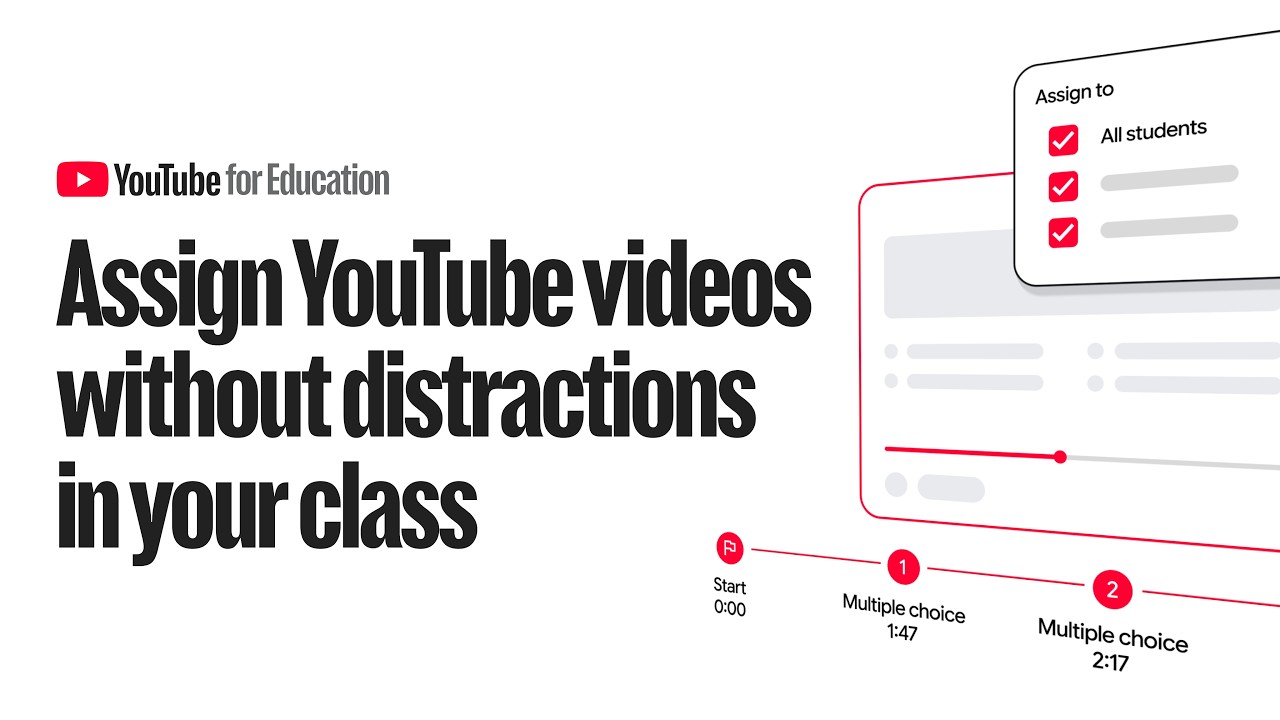
Mantén al alumnado centrado en sus tareas
Link to Youtube Video (visible only when JS is disabled)
Añade vídeos a las tareas con el reproductor de YouTube con fines educativos
Cuando crees tareas para el alumnado donde incluyas vídeos de YouTube, te recomendamos que elijas el reproductor de YouTube con fines educativos para abrir esos vídeos.
Limita la atención del alumnado al contenido preseleccionado
Cuando tu alumnado vea los vídeos insertados mediante el reproductor de YouTube con fines educativos, la experiencia de visualización simplificada hará que solo se pueda ver el vídeo educativo asignado, sin anuncios ni recomendaciones.
Fácil de encontrar en las herramientas de tecnología educativa más utilizadas
El reproductor de YouTube con fines educativos está integrado en algunas de las herramientas de tecnología educativa más utilizadas. Si tu centro educativo utiliza estas herramientas y YouTube está habilitado para docentes, te recomendamos que los vídeos de YouTube destinados a las tareas del alumnado los insertes de manera que se abran usando el reproductor de YouTube con fines educativos. De esta forma, el alumnado solo podrá ver el contenido que le hayas asignado.
Fomenta el aprendizaje independiente con las medidas de protección de YouTube
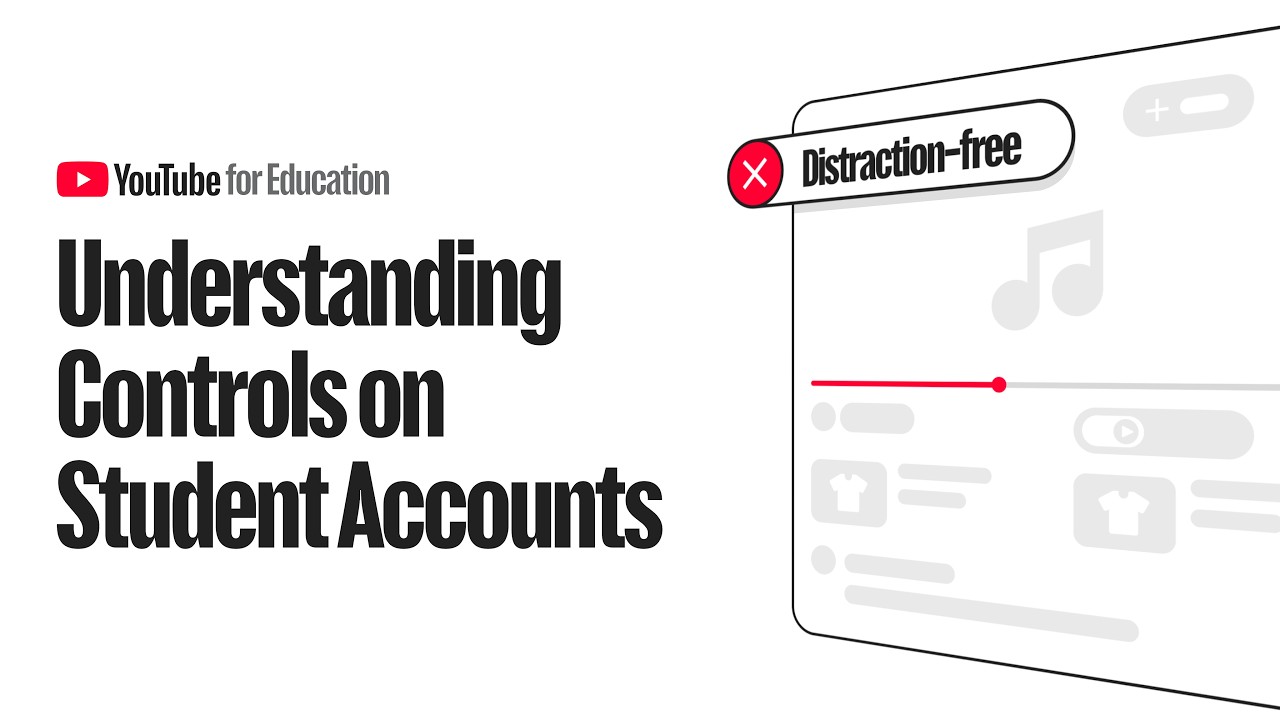
Conoce los controles que existen en las cuentas de YouTube del alumnado
Si el alumnado de tu centro educativo tiene permiso para usar YouTube y accede a la plataforma a través de su cuenta de Google Workspace for Education, la navegación por YouTube se hará con una cuenta de estudiante. En este tipo de cuenta, algunas funciones de YouTube están inhabilitadas y el administrador de TI de tu centro educativo puede aplicar ajustes de contenido según el grupo de edad.
Asegúrate de que el alumnado vea contenido apropiado para su edad
El alumnado puede acceder a la amplia biblioteca de recursos educativos de YouTube (según la configuración de contenido que haya elegido el administrador de TI de tu centro) para investigar de cara a un proyecto o aprender sobre un tema complejo en profundidad.
Ayuda al alumnado a centrarse en sus tareas limitando el acceso a funciones
Las cuentas de YouTube para estudiantes menores de 18 años, gestionadas por los administradores de los centros educativos, constituyen un entorno de aprendizaje protegido, ya que ciertas funciones están inhabilitadas. Los alumnos no podrán ver los comentarios publicados por otros usuarios ni publicar comentarios propios, y tampoco tendrán acceso al chat en directo. Están inhabilitadas las opciones de crear y publicar vídeos, organizar y ver emisiones en directo, hacer compras y usar aplicaciones independientes como YouTube Music, YouTube Studio, YouTube TV o YouTube VR.
Link to Youtube Video (visible only when JS is disabled)
Tu biblioteca de vídeos educativos adaptada a los estándares curriculares
Hemos coordinado cientos de vídeos educativos de YouTube con los estándares curriculares estatales y nacionales, lo que te permite acceder de forma rápida y sencilla a contenido que responda a las necesidades de tu plan de estudios. Solo tienes que filtrar por materia, curso o tema para encontrar contenido apropiado para tus clases.
-

Math - Probability concepts
Theoretical vs Experimental Probability - Flipping Coin Results Revealed
-

Math - Two-way tables
Mastering Bivariate Data Interpretation with Two-Way Tables | Math Lesson with Examples
-

Math - Linear models with data
Linear Regression in 2 minutes
-

ELA - Reading: Literature
#9 Citing Textual Evidence During Reading (Reading Comprehension)
-

Math - Function representations
How to Graph Exponential Functions
-

Why Taking Challenging Classes in High School Matters
-
Math - Expressions and Equations
Factoring Expressions
-

CONFLICT RESOLUTION for Children Assertive Aggressive Passive Passive-Aggressive
-

Math - Comparing populations
Statistics Unit - Lesson 7: Comparing Populations
-

Science - Earth's Systems
The Rock Cycle Song
-

Math - Linear vs. nonlinear functions
How to Choose a Major | Crash Course | How to College
-

Math - Linear vs. nonlinear functions
How to get the most out of high school summer (ALL grades)
-

Math - Functional relationships
Relations and functions | Functions and their graphs | Algebra II
-

How to overcome your mistakes
-

Math - Scatter plots
Scatter Graphs: Correlation
-

Want to make friends but you're shy?
-

A Neuroscientist Explains How Breathing Impacts the Brain
-

Math - Two-way tables
Conditional Probability
-
Math - Scatter plots
Scatter Plots
-
Math - Comparing functions
Inverse functions!
-

ELA - Writing
7 RULES FOR FORMAL WRITING: Dos and Don'ts for Essay Writing
-
Social Emotional Learning For Kids: Benji, the Bad Day, and Me | Vooks Storytime
-

How to Make a Decision
-

Math - Linear vs. nonlinear functions
5 Tips to Make Assertive Communication Easier and More Effective
-
Math - Linear vs. nonlinear functions
Linear and nonlinear functions (example 2)
-

Math - Probability concepts
Theoretical & Experimental Probability -What's The Chance of that?
-

Math - Linear vs. nonlinear functions
Job Interview Prep
-

Math - Linear vs. nonlinear functions
Advocating for Yourself & Likability #wellwithraele #communicationcoach
-

Math - Probability concepts
Probability Part 1: Rules and Patterns: Crash Course Statistics
-

Wellbeing For Children: Identity And Values
-

Math - Probability concepts
Probability: The Basics EXPLAINED with Examples
-

Math - Linear vs. nonlinear functions
How To Find Your Passion - 11 Abilities (Which one is for you?)
-

Math - Scatter plots
How To Construct A Scatter Plot Graph - What Is A Scatter Plot Graph
-

Math - Association vs. causation
Correlation Is Not Causation
-

ELA - Reading: Literature
How to find themes (A Wrinkle in Time): Crash Course Kids Literature #3
-

Math - Functional relationships
Is the Relation a Function
-

Math - Linear vs. nonlinear functions
Why Being Assertive & Advocating for Yourself Matters
-

Math - Dependent and independent variables
Introduction to Algebra: Using Variables
-

Math - Comparing functions
Comparing Properties of 2 Linear Functions
-

Math - Comparing functions
Transforming Algebraic Functions: Shifting, Stretching, and Reflecting
-

ELA - Reading: Literature
What is Theme?
-

How To Be A Better Friend To Others
-
14 Effective Conflict Resolution Techniques
-

Math - Function representations
Representation of Functions
-
How to Enjoy High School
-

Math - Comparing functions
Comparing Functions: Linear, Exponential, Quadratic
-
ELA - Writing
How to write descriptively - Nalo Hopkinson
-

Math - Probability models
Do You REMEMBER How Probability WORKS?
-

How miscommunication happens (and how to avoid it) - Katherine Hampsten
-

What is Self-Awareness + 5 reasons it's important
-

Math - Linear vs. nonlinear functions
How to Choose the Right Career Path in 7 Simple Steps
-

Math - Scatter plots
Scatter Plots
-

Math - Linear vs. nonlinear functions
Non-Linear Functions (1 of 2: Review of Parabola)
-

Math - Linear vs. nonlinear functions
Don’t go back to school before doing these 5 things.
-

Math - Functional relationships
Relations and Functions | Algebra
-

Tips to Overcome Public Speaking Anxiety and Nervousness in the Classroom
-

Math - Linear vs. nonlinear functions
How to Choose A Career You Won’t Regret
-

Math - Linear models with data
Why Linear regression for Machine Learning?
-

ELA - Reading: Literature
Textual Evidence
-
Building Healthy Relationships (For Teens)
-

Teen Voices: Oversharing and Your Digital Footprint
-

Math - Scatter plots
What is the XY Scatter Plot
-
ELA - Reading: Literature
How to find themes (A Wrinkle in Time): Crash Course Kids Literature #3
-

Math - Two-way tables
Learn to Construct and Interpret Two Way Tables
-

Math - Function representations
Graphing Algebraic Functions: Domain and Range, Maxima and Minima
-
How to Survive High School
-
Anger Management Techniques For Kids - Strategies To Calm Down When Your Temper Rises
-
What Teens Think About: Healthy Relationships
-

Math - Linear models with data
Linear models example 1 | Algebra I
-

Math - Probability models
Probability Introduction
-

Social Media, Social Life: Teens Reveal Their Experiences
-
Math - Linear vs. nonlinear functions
Self Advocacy
-

ELA - Writing
How To Format Dialogue in a Novel: 15 Must-See Tips (2024) 💬
-
Math - Expressions and Equations
Equivalent Expressions
-

Math - Association vs. causation
Correlation vs Causation (Statistics)
-

Math - Probability concepts
Probability for Kids
-

Math - Linear vs. nonlinear functions
Middle School Career Exploration
-
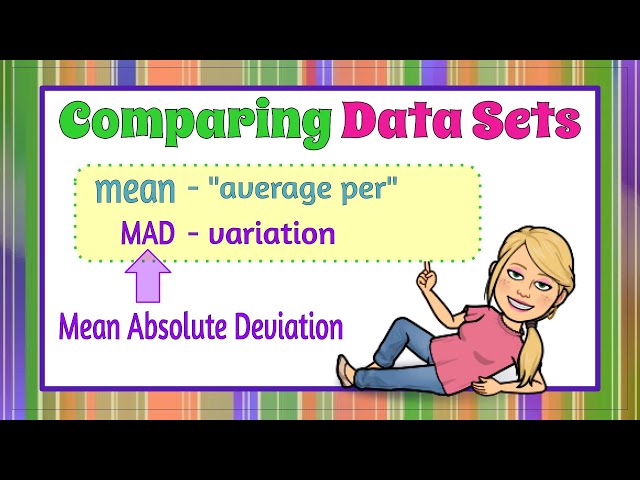
Math - Comparing populations
Comparing Data Sets Using Mean & MAD
-
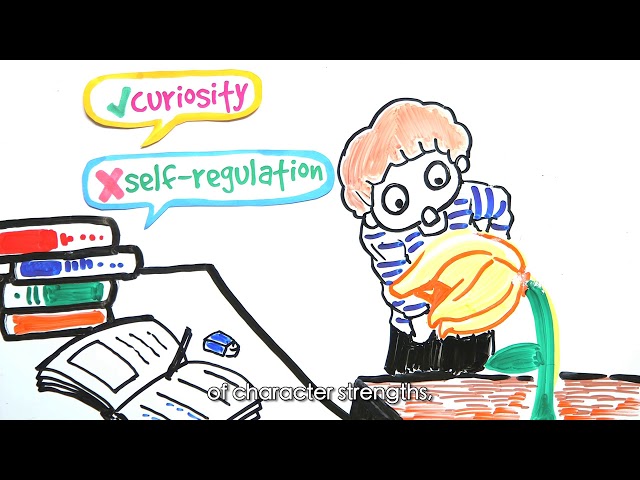
Know Your Character Strengths
-

The Science of Emotion Regulation: How Our Brains Process Emotions
-
How To Know Yourself
-

Math - Linear vs. nonlinear functions
Navigating Teen Life | Top 5 Tips for Career Planning
-
Understanding Thoughts for Middle School Students | Child Mind Institute
-

Science - Energy
Law of Conservation of Matter: Why Mass Never Disappears | Middle School Science
-

ELA - Reading: Literature
Understanding theme | Reading | Khan Academy
-

Math - Functional relationships
Input and Output Tables (Function Tables) | Adding, Subtracting, Multiplying, and Dividing
-

Math - Linear vs. nonlinear functions
Self Advocacy - Social Emotional Lesson - Special Education Students
-
Decision-Making Strategies
-

Math - Linear vs. nonlinear functions
Advocating for Yourself in School and Beyond (ft. Lucy della Penna)
-

Math - Expressions and Equations
Equivalent Expressions And Factoring
-

SOCIAL EMOTIONAL LEARNING VIDEO LESSON WEEK 9: SOCIAL AWARENESS!
-

Math - Scatter plots
Types of Relationships in Scatter Plots
-

Math - Probability concepts
Basic Concepts, Types And Rules Of Probability In Statistics - Key Probability Terms
-

ELA - Writing
How to Make Your Writing Sound Smarter (Informal vs. Formal Tone)
-

Math - Two-way tables
Conditional probability in one minute
-

Math - Linear vs. nonlinear functions
Linear or Nonlinear Functions (From a Table)
-

Math - Comparing functions
Compare Functions to Determine the Better Buy
-

Math - Probability concepts
Experimental vs Theoretical Probability
-

Mindful Choices
-

Math - Association vs. causation
Causality (and the difference to correlation) simply explained
-
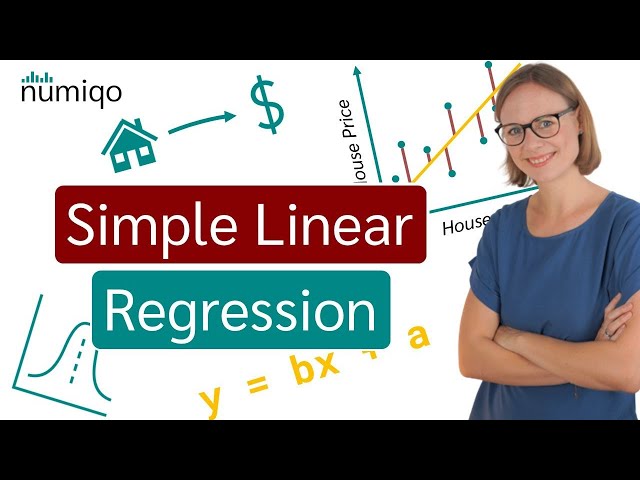
Math - Linear models with data
Simple Linear Regression: An Easy and Clear Beginner’s Guide
-
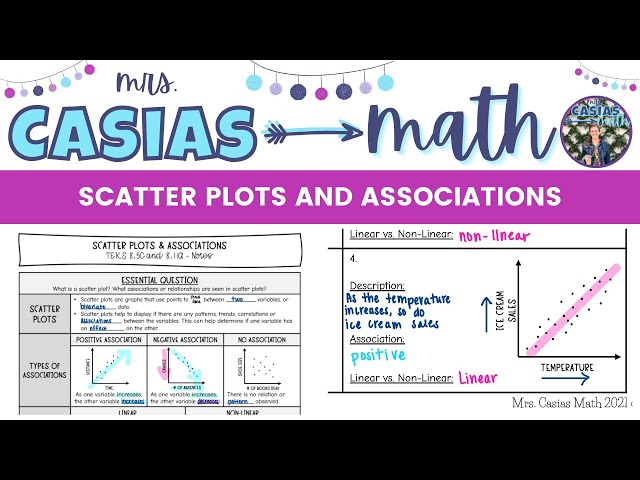
Math - Scatter plots
Scatter Plots and Associations
-

Math - Comparing functions
Properties of Functions
-

Math - Functional relationships
Analyzing Functions
-

Math - Function representations
Pre-Algebra: Four Representations of Functions
-

Math - Probability models
Theoretical Probability With Data - Interpreting Graphs for Probability
-

The 5-4-3-2-1 Method: A Grounding Exercise to Manage Anxiety
-

The Real Secret to Fighting Peer Pressure
-

Understanding Feelings for Middle School Students : Tips for Self-Awareness & Emotional Control
-

Math - Probability concepts
Probability! | Mini Math Movies
-

Don't Put People in Boxes
-

Math - Linear vs. nonlinear functions
5 Advice for Back to School Anxiety
-

ELA - Reading: Literature
Looking back at the text for evidence | Reading | Khan Academy
-

Math - Solving One Step Equations
How to Solve One Step Equations | Pre-Algebra Exercises
-

Math - Linear vs. nonlinear functions
How To Find Your Passion
-

The Importance of Empathy
-

50 things i wish i knew before starting high school | FRESHMAN ADVICE
-

Responsible Decision Making: Values
-

Math - Function representations
Investigating Non Linear Relations
-

Math - Linear vs. nonlinear functions
Using Self-Evaluation to Choose a Career
-

Math - Probability concepts
Basic Probability
-
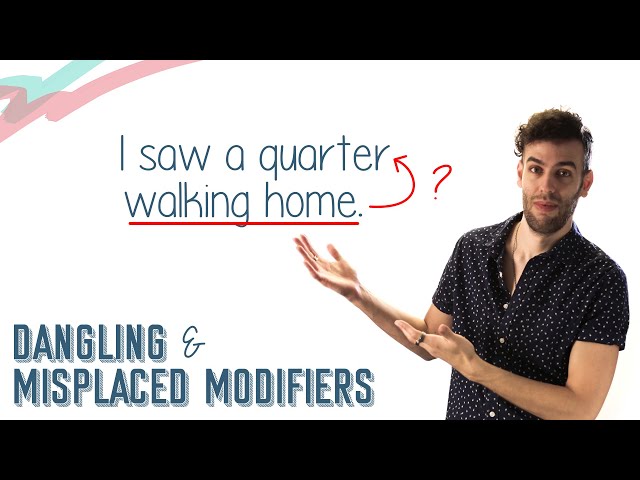
ELA - Language
DANGLING & MISPLACED MODIFIERS | English Lesson
-

Math - Probability models
PROBABILITY MODEL MATH ACTIVITY!
-

ELA - Reading: Informational Text
Evaluating a source’s reasoning and evidence | Reading | Khan Academy
-

Math - Scatter plots
Scatter plots and lines of best fit!!
-
Math - Comparing functions
Compare Functions Video
-

ELA - Writing
Powerful Pacing - When and How To Change Your Story's Speed
-

ELA - Reading: Literature
Metaphor, Simile, Personification, Hyperbole | Figurative Language Lesson
-
ELA - Reading: Informational Text
Evaluating a source’s reasoning and evidence | Reading | Khan Academy
-

ELA - Reading: Literature
Plot - Understanding Story Structure
-

ELA - Writing
Formal and Informal Writing - Understanding Writing Styles
-

ELA - Writing
Building Tension in Narrative Writing | EasyTeaching
-

Math - Linear equations in context
GCSE Maths - What on Earth is y = mx + c
-

ELA - Reading: Literature
Story Structure 101: Elements of Strong Story Structure
-

Math - Linear equations in context
How to Write and Solve Multi-Step equations from Word Problems | Math with TallTal
-
ELA - Reading: Informational Text
Identifying Important Information in a Story | Reading Comprehension | Khan Academy Kids
-

Your identity is your superpower | America Ferrera
-

4 Things We Learn From TeamWork
-

ELA - Reading: Literature
Plot Structure: The Building Blocks to Every Story
-

ELA - Reading: Literature
Allusions
-
ELA - Writing
Quoting and Paraphrasing
-
ELA - Reading: Literature
Supporting an inference with logical reasoning and evidence | Reading | Khan Academy
-

ELA - Reading: Literature
What Is Theme? | 5-Minute ELA Mini Lesson for Middle & High School Students
-

ELA - Writing
Argumentative Writing: Master Claim, Counterclaim, and Rebuttal for Essays and Debates
-

ELA - Reading: Informational Text
5 Easy Ways to Spot Author's Purpose!
-

Teen Voices: Friendships and Boundaries
-

Advisory - Self Awareness: Growth mindset
The Neuroscience of Learning
-

ELA - Reading: Informational Text
Literary Analysis - Claims, Evidence, Reasoning
-

ELA - Reading: Informational Text
Objective Summary Mini Lesson: Notes and Vocabulary
-

ELA - Reading: Literature
The EASY Way to Identify THEME!
-

Backpack Organization Tips + Advice | How To Stay Organized Throughout the School Year
-

ELA - Reading: Literature
Idioms for Kids | Figurative Language Lesson
-

ELA - Writing
Informative/Informational Writing For Kids! (Expository) Using Facts, Research, and Sources✏️📚💻
-

Watch this if you're avoiding homework
-
3 tips on how to study effectively
-

ELA - Writing
How to Write a Strong Essay Conclusion | Scribbr
-

ELA - Reading: Literature
Character actions in stories | Reading | Khan Academy
-

ELA - Reading: Literature
Analyzing Character Development for 6th Grade Middle School & Homeschool ELA Reading Comprehension
-

7 Habits of Healthy Relationships
-

ELA - Reading: Informational Text
Connecting the Dots: How Authors Develop Ideas, Events, and Individuals in a Text
-

Math - Writing expressions
Translating Algebraic Expressions Part 1 - Algebra for Teens!
-

ELA - Reading: Literature
What is an inference? (Charlotte’s Web): Crash Course Kids Literature #1
-

Math - Linear equations in context
Art of Problem Solving: Point-Slope Form
-

How to be Organized for School, College or Life [The 6 Habits of Highly Organized People]
-

ELA - Reading: Literature
Analyze how a particular sentence, chapter, scene, or stanza fits into the overall structure
-

Math - Generating equivalent expressions
What are Equivalent Expressions?
-

ELA - Reading: Literature
Character Development in Writing | Creative Writing Lessons
-

ELA - Writing
Write Interesting Dialogue | How Dialogue Really Works
-

ELA - Reading: Literature
Making objective summaries of literary texts | Reading | Khan Academy
-

ELA - Reading: Informational Text
What's the Author's Purpose - Student-Friendly Video Explains!
-
ELA - Reading: Literature
Determining the central idea of a text
-

Math - Writing equations from word problems
Multi-Step Equations - How to Solve
-
ELA - Reading: Informational Text
Analyze how a particular sentence, chapter, scene, or stanza fits into the overall structure
-
ELA - Writing
How To Format Dialogue in a Novel: 15 Must-See Tips (2024)
-

ELA - Writing
Show, Don't Tell Writing Technique | EasyTeaching
-

ELA - Writing
The ONLY Way to Plot a Novel (It's Easier Than You Think!)
-

Math - Evaluating expressions
Evaluate Expressions for Algebra
-

ELA - Reading: Literature
Inferences and Textual Evidence
-

ELA - Writing
How to Transition Between Paragraphs and Sentences: Transition words with examples
-

How some friendships last — and others don’t - Iseult Gillespie
-

Advisory - Being in tune with your own emotions
Everyday mindfulness | AboutKidsHealth at The Hospital for Sick Children
-
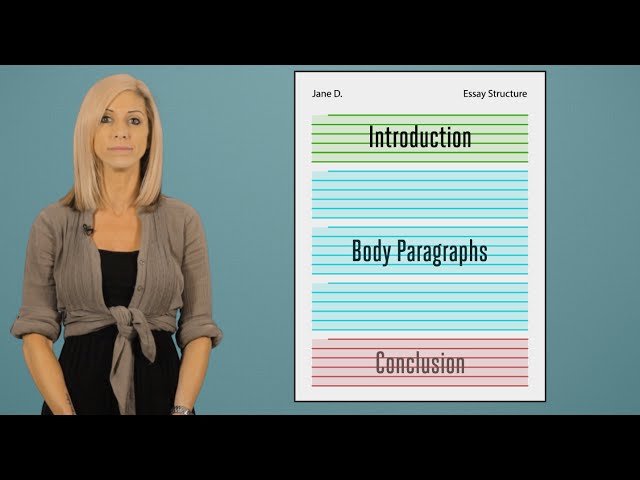
ELA - Writing
Argumentative Essays, Part 3: Structuring your Essay
-

ELA - Reading: Literature
DENOTATIONS & CONNOTATIONS | English Lesson
-

How to Friend Fight - How to Middle School Ep. 4 | Shelf Stuff
-

ELA - Reading: Literature
Making Inferences for Kids | What is an Inference? | How to Teach Inferencing in Literacy #literacy
-
ELA - Writing
How to Write a STRONG Thesis Statement | Scribbr
-

Math - Writing equations from word problems
Unit 4, Lesson 9 Practice Problems (7th Grade Illustrative Math) IM 7.4.9
-

Advisory - Self Awareness: Growth mindset
LearnStorm Growth Mindset: The Truth About Your Brain
-

ELA - Writing
Argumentative Writing
-

ELA - Reading: Informational Text
Finding connections between ideas within a passage | Reading | Khan Academy
-

ELA - Writing
How to End and Transition a Paragraph with Closing & Concluding Sentences
-

Math - Multi-step equations
Algebra – Solving Equations (word problem)
-

ELA - Writing
How to write better dialogue - School of English
-

4 Ways To Get Organized
-

ELA - Reading: Informational Text
Main Idea | English For Kids | Mind Blooming
-
ELA - Reading: Literature
The ONLY Way to Plot a Novel (It's Easier Than You Think!) - VGFh_VckLFE
-
ELA - Reading: Literature
The EASY Way to Identify THEME!
-

The 7 Keys to Creative Collaboration
-

ELA - Reading: Informational Text
How to Determine the Central Idea of Informational Text
-

ELA - Reading: Informational Text
Author's Purpose | English For Kids | Mind Blooming
-

ELA - Reading: Literature
Making inferences in literary texts | Reading | Khan Academy
-

Teens Talk Relationships: Friendship Edition
-

ELA - Reading: Literature
Analyzing tone through word choice | Reading | Khan Academy
-

Math - Solving One Step Equations
Solving One-Step Equations Song
-
ELA - Reading: Informational Text
Finding connections between ideas within a passage | Reading | Khan Academy
-

ELA - Writing
How to Format Dialogue
-
ELA - Writing
How to Make Your Writing Sound Smarter (Informal vs. Formal Tone)
-

Identity: More than our labels
-
Advisory - Being in tune with your own emotions
How Healthy People Regulate Their Emotions
-

Healthy Friendships and Relationships [Student Wellbeing]
-

ELA - Reading: Informational Text
Explaining ideas in informational texts | Reading | Khan Academy
-

What Makes A Relationship Healthy?
-
ELA - Reading: Literature
How to Write an Effective Summary Paragraph
-

ELA - Reading: Informational Text
What is a main idea? | Reading | Khan Academy
-

Advisory - Self Awareness: Growth mindset
This Is The Growth Mindset
-

Rearview Mirror Part 1 (Self Reflection) | In Control Middle School SEL
-

Math - Multi-step equations
Writing Equations from Word Problems
-

ELA - Reading: Literature
Analyzing an author's purpose | Reading | Khan Academy
-

ELA - Writing
How to Write an Informative Text Body Paragraph | EasyTeaching
-

Advisory - Self Awareness: Growth mindset
Growth Mindset vs. Fixed Mindset
-

Math - Writing expressions
Write a Mathematical Expression from a Verbal Description
-

ELA - Reading: Literature
Making Inferences - Middle School Reading Skills
-

ELA - Reading: Literature
Observations and Inferences
-

ELA - Reading: Literature
What are the 3 types of dramatic irony?
-

ELA - Writing
Descriptive Writing - Techniques for Creating Vivid Writing
-

ELA - Writing
The author's point of view in writing (2/3) | Interpreting Series
-
ELA - Writing
Informative and Explanatory Writing
-
ELA - Reading: Literature
Characters' thoughts and feelings | Reading | Khan Academy
-

ELA - Reading: Literature
What's the Difference Between Main Idea and Theme?
-

Advisory - Being in tune with your own emotions
Automatic Negative Thoughts - Meet the ANT Buddies!
-

Planning & Organization: Crash Course Study Skills #4
-

Math - Evaluating expressions
How to Evaluate Variable Expressions
-

ELA - Reading: Literature
Similes & Metaphors: Making Your Writing Pop! | Ms. Meg | Read, Write, ROAR!
-

ELA - Writing
Argumentative Writing Unit - Lesson 3: Introduction Paragraphs
-
ELA - Reading: Literature
Differences between Main Idea - Topic - and Theme
-

ELA - Reading: Informational Text
Unit 2: The Central Idea of Informational Texts - How to Write a Thesis Statement
-

Math - Writing expressions
Algebra Basics: What Is Algebra?
-

ELA - Reading: Literature
The elements of a story | Reading | Khan Academy
-
Advisory - Organization skills and time management
Planning & Organization: Crash Course Study Skills #4
-

ELA - Writing
How to make your writing suspenseful - Victoria Smith
-
ELA - Reading: Literature
Making Inferences for Kids | What is an Inference? | How to Teach Inferencing in Literacy #literacy
-

ELA - Reading: Literature
Inference
-
ELA - Reading: Literature
Analyzing Character Development for 6th Grade Middle School & Homeschool ELA Reading Comprehension
-

ELA - Reading: Literature
Character change | Reading | Khan Academy
-

Advisory - Being in tune with your own emotions
Claim Your Emotions: How to Identify and Name What You're Feeling
-

Advisory - Self Awareness: Growth mindset
How A Growth Mindset Will Change Your Life | Mindset by Carol Dweck
-

Gender Roles and Stereotypes
-

Math - Solving One Step Equations
A visual approach to solving one-step equations
-
ELA - Reading: Literature
Dialogue - How Characters' Traits Are Revealed Through Dialogue
-

Math - Writing equations from word problems
Solving Multi-Step Equations | Math with Mr. J
-

ELA - Reading: Literature
In on a secret? That's dramatic irony - Christopher Warner
-

ELA - Writing
How to Explain and Elaborate on a Claim and Evidence in a Paragraph
-

ELA - Writing
Spotting Author's Claims: A Detective's Guide!
-

ELA - Writing
What is Sensory Language?
-

Exploring Perceptions About Identity Through Self-Portraits
-
ELA - Reading: Literature
How to make your writing suspenseful - Victoria Smith
-

ELA - Reading: Literature
FIGURATIVE SPEECH for KIDS Similes, Metaphors and Hyperboles Literature for Kids Episode 1
-

ELA - Writing
Conclusion Paragraphs - Wrapping Up Your Essay
-

How i study SMART, not HARD (high school students must watch)
-

Math - Writing expressions
Algebraic Word Problems
-
ELA - Reading: Literature
Understanding theme | Reading | Khan Academy
-

Math - Evaluating expressions
Learn How To Evaluate Expressions with One Variable
-

Advisory - Self Awareness: Growth mindset
Growth Mindset
-
ELA - Reading: Literature
#9 Citing Textual Evidence During Reading (Reading Comprehension)
-
ELA - Reading: Informational Text
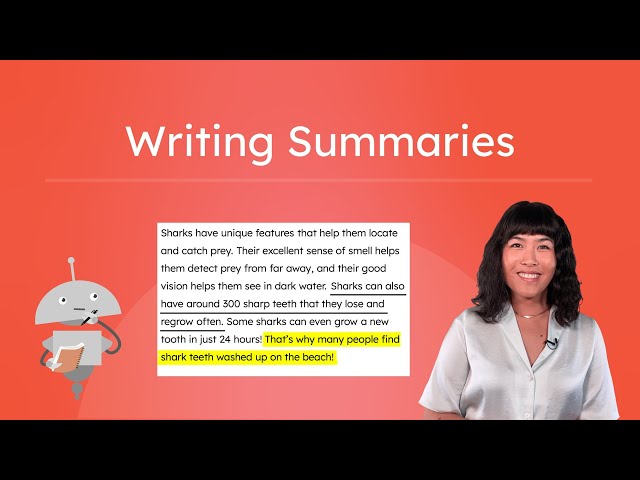
Writing Summaries - How To Write a Nonfiction Summary
-

Math - Evaluating expressions
Algebra Video for Kids: Solve Equations with Variables
-

Advisory - Organization skills and time management
Top 3 Best Organization Tips For Students
-

Math - Generating equivalent expressions
Equivalent Expressions | The Math Review
-

ELA - Writing
How to Integrate Quotations like a Pro (with Practice)
-

ELA - Reading: Literature
Connotative vs Denotative
-

ELA - Reading: Literature
Summarizing Informational Texts - Strategies for Summarizing
-
ELA - Reading: Literature
Understanding theme | Reading | Khan Academy
-

ELA - Reading: Informational Text
Evaluate Arguments Like a Pro: Master Claims, Reasons & Evidence for Stronger Essays!
-
ELA - Reading: Informational Text
Show, Don't Tell Writing Technique | EasyTeaching
-

Math - Writing expressions
What is an Expressions in Math - Algebra 1
-

ELA - Reading: Literature
A story's point of view | Reading | Khan Academy
-

ELA - Writing
Expository Exploring: How To Write an Informative Essay
-

How to Have Healthy Relationships
-

ELA - Reading: Informational Text
Arguments and Claims Terms & Definitions
-

ELA - Writing
Argumentative Writing Unit - Lesson 2: Thesis Statements
-

ELA - Writing
Bridging the Gap: How To Use Transition Words in Writing
-

ELA - Reading: Literature
How to Determine a Writer's Tone
-

How to STUDY so FAST that it feels ILLEGAL
-
ELA - Reading: Literature
Character change | Reading | Khan Academy
-

ELA - Reading: Informational Text
Creating objective summaries | Reading | Khan Academy
-

ELA - Reading: Literature
Twists and Turns: Narrative Structure - Elements of Plot
-

ELA - Writing
The Secret to Strong PACING (it's actually really simple)
-

ELA - Writing
What is Point of View?
-

ELA - Writing
Discover How to Write a Counterclaim Paragraph & Defend with Rebuttal
-
ELA - Reading: Literature
Character change | Reading | Khan Academy
-
ELA - Reading: Literature
DENOTATIONS & CONNOTATIONS | English Lesson
-

ELA - Reading: Informational Text
What Is a Sound Argument? | Valid vs. Sound Arguments
-

ELA - Writing
Everything's an Argument - Understanding Claims and Argumentative Writing
-
ELA - Reading: Literature
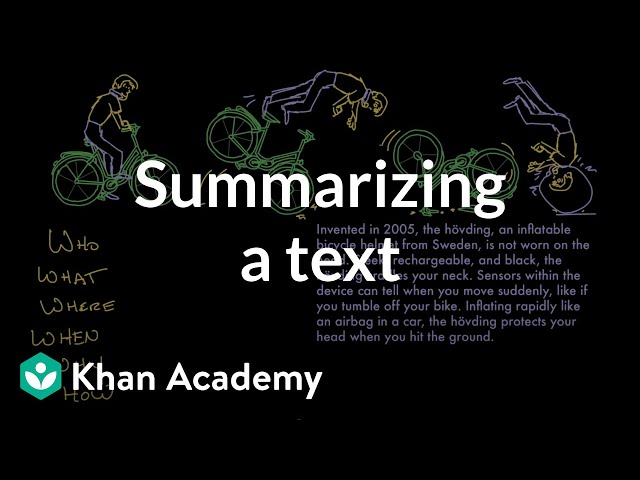
Using The 5 Ws and the Bonus H to make summaries | Reading | Khan Academy
-
Advisory - Being in tune with your own emotions
Why do we feel emotions?
-

Math - Linear equations in context
Slope-Intercept Form y=mx+b
-

ELA - Reading: Literature
What is Irony? Exploring Situational, Dramatic, and Verbal Irony
-

Math - Solving One Step Equations
One Step Equations
-

ELA - Reading: Literature
What is an Allusion? Lesson and Activity
-

ELA - Reading: Literature
Connotation | Reading | Khan Academy
-

Advisory - Self Awareness: Growth mindset
Growth Mindset (Part 1 of 3) | In Control Middle School SEL
-

The Three Requirements of a Good Relationship
-

ELA - Reading: Literature
Character Perspectives
-

Being a Teen with Social Anxiety - Jessie Paege and Kati Morton | Kati Morton
-

ELA - Reading: Informational Text
RI 8.6- Annotating a text to determine author's purpose and point of view
-

ELA - Reading: Informational Text
Finding Claims and Supporting Evidence in Informational Text
-

Advisory - Self Awareness: Growth mindset
Developing a Growth Mindset
-

ELA - Reading: Literature
Inferring | Reading Strategies | EasyTeaching
-

ELA - Writing
Formal Tone in Writing
-
ELA - Reading: Informational Text
How to write descriptively - Nalo Hopkinson
-

Cooperation vs Collaboration: When To Use Each Approach
-

ELA - Reading: Literature
Analyzing Word Choice - Literary Analysis for Teens!
-

How to Talk to Girls, Boys and Everyone in Between
-
ELA - Reading: Literature
Analyzing Word Choice - Literary Analysis for Teens!
-
ELA - Writing
Powerful Pacing - When and How To Change Your Story's Speed
-
ELA - Reading: Informational Text
Analyzing an author's purpose | Reading | Khan Academy
-

Fighting Fair: How Do You Resolve Conflict?
-
ELA - Reading: Literature
Analyzing tone through word choice | Reading | Khan Academy
-

ELA - Reading: Informational Text
Introduction to Claim, Evidence, and Reasoning (CER)
-

How to Set Healthy Personal Boundaries
-

ELA - Writing
How to paraphrase to avoid plagiarism I paraphrasing techniques
-

Advisory - Being in tune with your own emotions
Circle Of Control Activity For Kids - Good Mental Health And Stress Management
-

Advisory - Organization skills and time management
HOW TO STAY ORGANIZED IN SCHOOL | Back To Benjy Season 2: episode 1 | King Benjy
-

Math - Writing equations from word problems
Solving Multi-Step Equations the Easy Way | 8.EE.C.7 💗
-

ELA - Writing
How to Write a Thesis Statement | Argumentative Essay
-

ELA - Reading: Informational Text
Finding the Main Idea: Reading Comprehension Lesson for Students
-
ELA - Writing
Plot Structure: The Building Blocks to Every Story
-

ELA - Reading: Literature
What is an Allusion? (Figurative Language Tutorial)
-

Math - Writing expressions
TRANSLATING WORDS INTO ALGEBRAIC EXPRESSIONS
-

Math - Evaluating expressions
Intro to Evaluating Algebraic Expressions
-

Math - Writing expressions
Writing Algebraic Expressions
-

ELA - Reading: Literature
Dialogue Mistakes You Might Be Making (with Examples)
-

Science - Ecosystems: Interactions, Energy, and Dynamics
Ecological Relationships
-

ELA - Language
Glossary Skills for Kids | How to Use a Glossary | Twinkl USA
-

ELA - Reading: Literature
STORIES for Kids 🐉 Characteristics and Elements 📚 Language Arts for Children
-

ELA - Writing
Using Transitional Words — Everyday Writing with Coach Write
-
ELA - Reading: Literature
The EASY Way to Identify THEME!
-
Science - Earth's Systems
The Rock Cycle Song
-

ELA - Writing
Sequence of Events | English For Kids | Mind Blooming
-

ELA - Reading: Literature
Settings - How They Influence Characters, Events, and Plot in a Story
-

ELA - Reading: Literature
The Importance of Setting in a Story | Educational Rap for Language Arts Class
-
ELA - Reading: Literature
Understanding theme | Reading | Khan Academy
-
ELA - Writing
Supporting an inference with logical reasoning and evidence | Reading | Khan Academy
-

Science - Motion and Stability: Forces and Interactions
How to think about gravity - Jon Bergmann
-

ELA - Reading: Literature
Developing themes | Reading | Khan Academy
-

ELA - Reading: Literature
How to make your writing funnier - Cheri Steinkellner
-

ELA - Language
Two-Minute Lecture: What is a Dangling Modifier?
-

ELA - Reading: Literature
Figurative Language: Hyperbole and Personification - Fun 6th-Grade Lesson on Descriptive Writing
-

ELA - Reading: Literature
The structures of informational texts | Reading | Khan Academy
-

ELA - Language
How misused modifiers can hurt your writing - Emma Bryce
-
ELA - Writing
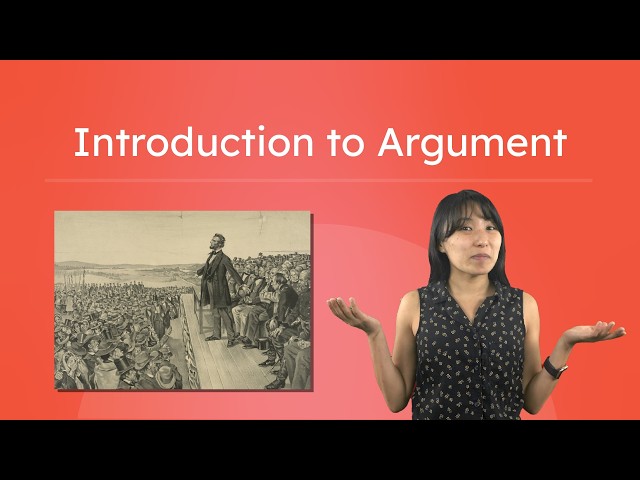
Introduction to Argument - Crafting an Argument with a Claim, Evidence, and Reasoning
-

ELA - Language
Introduction to Greek and Latin Roots
-
ELA - Writing
How to Write a STRONG Thesis Statement | Scribbr
-

Science - Earth and Human Activity
The infamous overpopulation bet: Simon vs. Ehrlich - Soraya Field Fiorio
-
ELA - Reading: Literature
Top 10 SOUND DEVICES in Poetry and How to Identify Them: A Quick Lesson
-

Science - From Molecules to Organisms
Pollinators | Plant & Pollinator Adaptation
-

ELA - Writing
How To Write An Essay: Thesis Statements
-

Science - Ecosystems: Interactions, Energy, and Dynamics
Food Chains Compilation: Crash Course Kids
-
ELA - Reading: Literature
POEM vs PROSE! #PoetryDefined
-

Science - From Molecules to Organisms
Sensory Receptors
-
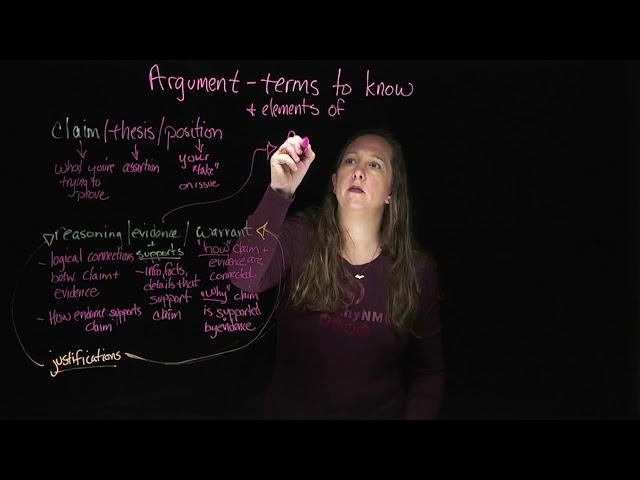
ELA - Writing
Argumentative Writing - Terms to Know
-

ELA - Reading: Literature
Point of View Fun
-

Science - Waves and Their Applications
Difference between Analog and Digital Signals | AddOhms #6
-

Science - From Molecules to Organisms
Environmental and Genetic Growth Factors: What Controls How You Grow? | Middle School Science
-

Science - From Molecules to Organisms
How Your Senses Work? | The Five Senses | The Dr Binocs Show | Peekaboo Kidz
-

ELA - Writing
Choosing a Topic - Planning Your Expository Essay
-

Science - Motion and Stability: Forces and Interactions
Magnets and Magnetic Fields
-

ELA - Language
“He and I” or “Him and me”? Learn the difference! (English Pronoun Rules)
-

Science - From Molecules to Organisms
Human Body Systems
-

Science - Waves and Their Applications
Need of Digital Signals
-

Science - Motion and Stability: Forces and Interactions
Weight, Force, Mass & Gravity | Forces & Motion | Physics | FuseSchool
-
ELA - Language
Pronoun Reference | Sentence Structure | The Nature of Writing
-

ELA - Reading: Literature
Rhyming Words | Monsters Learn English | Scratch Garden
-
ELA - Reading: Literature
The elements of a story | Reading | Khan Academy
-
ELA - Language
Grammatical person and pronouns | The parts of speech | Grammar | Khan Academy
-

ELA - Reading: Literature
Text Structure Explained Middle School ELA Nonfiction Lesson Identify Author’s Structure FAST
-

Science - Motion and Stability: Forces and Interactions
Accelerating Mass: F=ma
-

Science - From Molecules to Organisms
Animal Courtship Behavior | Courtship Displays
-

Science - From Molecules to Organisms
Flowers and Their Pollinators: A Perfect Match! | Spring is Here! | SciShow Kids
-
ELA - Writing
Introduction to Claim, Evidence, and Reasoning (CER)
-

ELA - Writing
How to Write a CLEAR THESIS Statement: Examples of a Thesis Statement
-

Science - Ecosystems: Interactions, Energy, and Dynamics
Food Chain for Kids – INTERACTIVE | Learn all about producers, consumers, and decomposers
-

Science - Waves and Their Applications
Analog vs. digital signals | Waves | Middle school physics | Khan Academy
-

ELA - Reading: Literature
Compare and Contrast Text Structure - Comparing Ideas in Texts
-
ELA - Writing
Informative/Informational Writing For Kids! (Expository) Using Facts, Research, and Sources✏️📚💻
-

Science - Heredity: Inheritance and Variation of Traits
REPRODUCTION IN ANIMALS SEXUAL and ASEXUAL OVIPAROUS, VIVIPAROUS, OVOVIPAROUS
-

Science - From Molecules to Organisms
Organism growth and the environment | Middle school biology | Khan Academy
-
ELA - Writing
Finding Claims and Supporting Evidence in Informational Text
-

Science - From Molecules to Organisms
Biology - Cells /Tissues/Organs/Organ Systems - Specialization (Middle School Science)
-

ELA - Reading: Literature
Grade 4 English Q1 Ep9: Connotation and Denotation
-

Science - Motion and Stability: Forces and Interactions
Magnets | Magnetism | Physics | FuseSchool
-
ELA - Writing
Argumentative Writing: Master Claim, Counterclaim, and Rebuttal for Essays and Debates
-

Science - From Molecules to Organisms
11 Body Systems in 3 minutes
-

ELA - Language
Dangling modifiers | Syntax | Khan Academy
-

Science - Motion and Stability: Forces and Interactions
Newton's Second Law of Motion: F = ma
-

ELA - Reading: Informational Text
Author’s Purpose - Learn Why Authors Write
-

Science - From Molecules to Organisms
Bioforge MS-LS1-3 Body Systems
-

ELA - Language
Latin and Greek roots and affixes | Reading | Khan Academy
-

Science - Waves and Their Applications
Sound Advice: Analog vs. Digital
-

Science - From Molecules to Organisms
Bioforge MS-LS1-5 Growth Factors
-

ELA - Reading: Literature
Write better dialogue in 8 minutes
-
ELA - Writing
First person vs. Second person vs. Third person - Rebekah Bergman
-

Science - Earth and Human Activity
Human impacts on the environment | Middle school Earth and space science | Khan Academy
-
ELA - Writing
Discover How to Write a Counterclaim Paragraph & Defend with Rebuttal
-
ELA - Reading: Informational Text
5 Easy Ways to Spot Author's Purpose!
-

Science - From Molecules to Organisms
Interrelationships Between Human Body Systems | Science Lesson
-

ELA - Language
How to Use a Dictionary
-

ELA - Language
Latin and Greek Root Words - Language Skills for Kids!
-

ELA - Reading: Informational Text
Text Structure Techniques - Problem / Solution & Cause / Effect
-

Science - From Molecules to Organisms
Plant Reproduction (Middle School Science)
-

ELA - Writing
Story Sequencing For Kids!
-

ELA - Reading: Literature
Elements of Literary Fiction: Characters, Setting, Plot, Theme, and Point of View
-

ELA - Reading: Informational Text
Making Connections in Reading
-

ELA - Reading: Literature
Teaching Text Structures Easy | K-12
-

Science - Energy
Potential Energy vs Kinetic Energy
-

ELA - Reading: Literature
How to Write the Inciting Incident | Novel Writing Advice
-

ELA - Reading: Literature
Citing Evidence - Supporting Your Ideas in Writing
-
ELA - Writing
Informative and Explanatory Writing
-

ELA - Reading: Literature
Connotation and Denotation: How Do You Tell Them Apart?
-

ELA - Reading: Literature
Gr 7-12 | Readers Make Inferences - Lesson 1
-

Science - Waves and Their Applications
Why are Digital Signals Better Than Analog Signals
-

ELA - Language
Adjectives and commas | Adjectives | Khan Academy
-

ELA - Language
Understand what you read: Emma’s pronoun trick!
-

Science - Ecosystems: Interactions, Energy, and Dynamics
Competition, predation, and mutualism | Middle school biology | Khan Academy
-

ELA - Reading: Literature
How to write comedy - Jodie Houlston-Lau
-
ELA - Reading: Literature
#9 Citing Textual Evidence During Reading (Reading Comprehension)
-
Science - From Molecules to Organisms
Nature vs Nurture | Genetics | Biology | FuseSchool
-

ELA - Reading: Literature
Figurative Language | Types of Figurative Language | What is Figurative Language?
-

Science - Heredity: Inheritance and Variation of Traits
How Organisms Reproduce | Sexual & Asexual Reproduction
-

Science - Waves and Their Applications
Waves as Digital Signals (Middle School Science)
-

ELA - Writing
7 Writing Exercises to Improve Your Dialogue
-
ELA - Writing
What is a main idea? | Reading | Khan Academy
-
ELA - Language
DANGLING & MISPLACED MODIFIERS | English Lesson
-
ELA - Writing
Expository Exploring: How To Write an Informative Essay
-
ELA - Reading: Literature
Understanding theme | Reading | Khan Academy
-

ELA - Writing
Argumentative Writing Unit - Lesson 4: Relevant Evidence
-

ELA - Language
Subject and Object Pronouns | Easy English Grammar Lesson | Simon Says Let's Learn English
-

Science - From Molecules to Organisms
A Level Biology Revision "Genetic and Environmental Causes of Variation"
-
ELA - Writing
How to Transition Between Paragraphs and Sentences: Transition words with examples
-
Science - Waves and Their Applications
YouTube Couldn't Exist Without Communications & Signal Processing: Crash Course Engineering #42
-

Science - From Molecules to Organisms
Where Are Memories Stored?
-

Science - From Molecules to Organisms
Sensory processing and the brain | Cells and organisms | Middle school biology | Khan Academy
-
Science - Motion and Stability: Forces and Interactions
Accelerating Mass: F=ma
-

ELA - Writing
Informative Essay | Purpose, Structure, and Examples
-
ELA - Writing
Argumentative Writing
-

Science - From Molecules to Organisms
Animal Reproductive Behaviours (Middle School Science)
-

Science - Ecosystems: Interactions, Energy, and Dynamics
Competition in an Ecosystem| Mutualism, Intraspecific, Interspecific, Relationships
-

Science - Heredity: Inheritance and Variation of Traits
Inheritance Explained || How do we inherit features from our parents?
-
ELA - Reading: Literature
GCSE English Language: Explicit and Implicit Meanings
-

Science - Heredity: Inheritance and Variation of Traits
Sexual and Asexual Reproduction Explained
-
ELA - Reading: Literature
Making inferences in literary texts | Reading | Khan Academy
-

ELA - Language
What is a misplaced modifier? - SAT Writing & ACT English Grammar Review
-

Science - From Molecules to Organisms
Reproductive Success in Animals and Plants | Rap Video by SquidBooks
-

ELA - Language
Phrases and Clauses for Kids
-

Science - Motion and Stability: Forces and Interactions
Newton's Second Law Of Motion - How Force, Mass, And Acceleration Work Together
-

ELA - Reading: Informational Text
Understanding the connection between people and events in texts
-
ELA - Writing
Finding Evidence to Support Opinions - Examples, Statistics, and Quotes
-
ELA - Reading: Literature
The pleasure of poetic pattern - David Silverstein
-
Science - From Molecules to Organisms
How memories form and how we lose them - Catharine Young
-

ELA - Language
Pronouns - Learn to Read for Kids!
-

ELA - Reading: Informational Text
Author's Purpose - Understanding Why Texts Are Written
-

ELA - Language
Identifying and correcting vague pronoun reference
-

ELA - Reading: Literature
Prose vs Poetry
-
Science - Earth and Human Activity
Human Population Growth and Consumption | Rap Video by SquidBooks
-

ELA - Writing
On Writing: How to Master Pacing!
-

Science - From Molecules to Organisms
Factors that Affect Plant Growth (Middle School Science)
-

ELA - Language
Commas with Adjectives | Coordinate VS Cumulative Adjectives English Lesson
-
ELA - Reading: Literature
Supporting an inference with logical reasoning and evidence | Reading | Khan Academy
-
ELA - Language
Phrases and clauses | Syntax | Khan Academy
-
ELA - Reading: Literature
How to Determine the Central Idea of Informational Text
-

ELA - Writing
Make Your Writing Flow | Sentences: Transitions, Subordination, and Modification
-
ELA - Writing
A story's point of view | Reading | Khan Academy
-

ELA - Reading: Literature
Story Structure Part 4: How to Write the Climax
-

ELA - Reading: Literature
Identifying Themes: Using Main Idea, Characters, and Problem-Solving
-

Science - From Molecules to Organisms
Cells, Tissues, Organs, and Systems
-

ELA - Reading: Literature
The Purpose of Dialogue in Literature
-

Science - Ecosystems: Interactions, Energy, and Dynamics
Why is biodiversity so important? - Kim Preshoff
-

Science - Energy
Potential Energy Explained | Real-Life Examples and How to Calculate
-

ELA - Reading: Literature
Making inferences in informational texts | Reading | Khan Academy
-

ELA - Reading: Literature
Plot and Theme Development
-

Science - Motion and Stability: Forces and Interactions
Gravitational forces | Forces at a distance | Middle school physics | Khan Academy
-

Science - Earth and Human Activity
Renewable and Nonrenewable Resources | Rap Video by SquidBooks
-

Math - Math - Transformations
Maths Made Easy! Transformations #1: Translation [O&U Learn]
-

Math - Random sampling
Simple Random Sampling
-
Math - Similarity
Mastering Indirect Measurement: A Math Lesson for Pre-Algebra Students with Similar Triangles
-

Math - Population inferences
Making Predictions about Populations using random samples
-

Math - Congruence
How to Identify CONGRUENT FIGURES
-

ELA - Language
Simple, Compound, Complex - Sentence Types
-
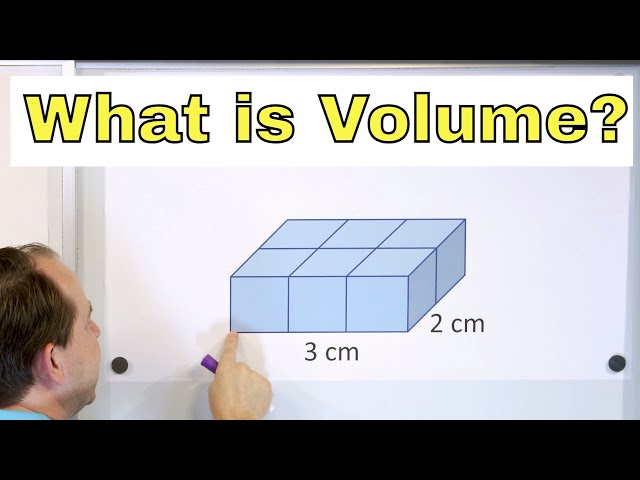
Math - Volume of 3D shapes
What is Volume in Math? Calculate Volume of Rectangular Prisms & Cubes w/ Units
-
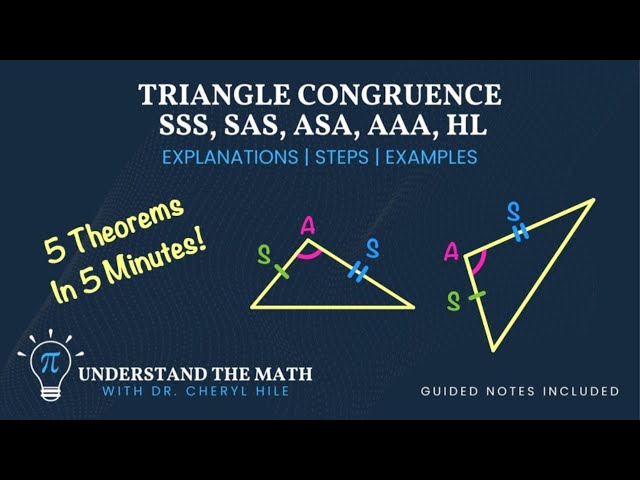
Math - Congruence
Master Triangle Congruence Theorems: SSS, SAS, ASA, AAS, HL Explained
-

Science - Biological Evolution: Unity and Diversity
Evolution | Middle school biology | Khan Academy
-

ELA - Reading: Informational Text
How to Write an Objective Summary |Mr. Grammar
-
Science - Biological Evolution: Unity and Diversity
Natural Selection I Survival of the Fittest?
-

Math - Random sampling
Comparing Random Samples
-

Math - Angle relationships
Angle Pair Relationships: Adjacent, Vertical, Complementary, Supplementary
-

Science - Earth and Human Activity
Renewable, Non-Renewable, and Flow Resources
-

Math - Statistical questions
How to Identify a Statistical Question?
-

Math - Similarity
Testing similarity through transformations | Similarity | Geometry
-

Math - Probability concepts
Experimental Probability
-

Math - Linear vs. nonlinear functions
Linear Functions
-

ELA - Reading: Informational Text
Arguments and Claims Mini Lesson
-
Math - Statistical questions
Statistics - Introduction to Statistics
-

Math - Measures of variation
Interquartile Range (IQR)
-
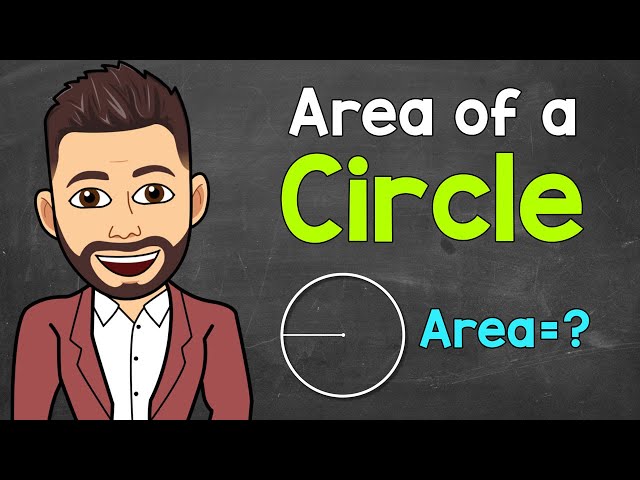
Math - Circle measurements
How to Find the Area of a Circle | Math with Mr. J
-
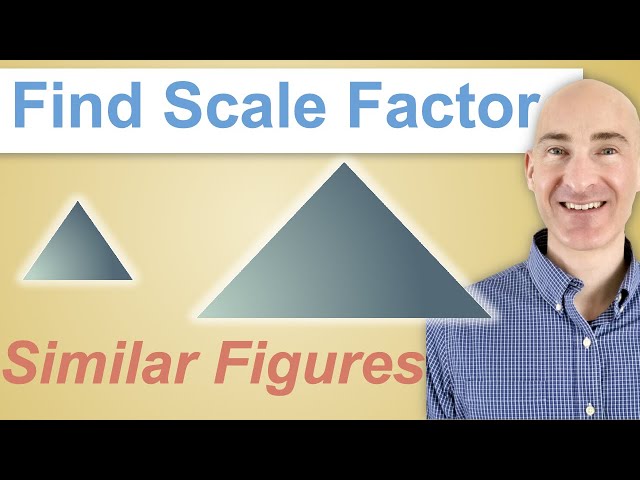
Math - Scale and similarity
How to Find Scale Factor with Similar Figures
-

Math - Population inferences
How to Make an Inference from Data
-

Math - Volume of 3D shapes
The Eight 3D Shapes You Need to Know - Vertices, Edges and Faces
-

Math - Population inferences
7th Grade Math Inferences About Populations
-

Science - Waves and Their Applications
Sound Properties (Amplitude, Period, Frequency, Wavelength) | Physics | Khan Academy
-

Math - Compound events
Probability of Compound Events
-

Math - Surface area, volume concepts
How to Find the Volume of a Cylinder
-

Math - Math - Transformations
Rigid Transformations
-

Science - Biological Evolution: Unity and Diversity
Fossils & Evidence For Evolution | Evolution | Biology | FuseSchool
-

Math - Measures of variation
Measures of Variations
-
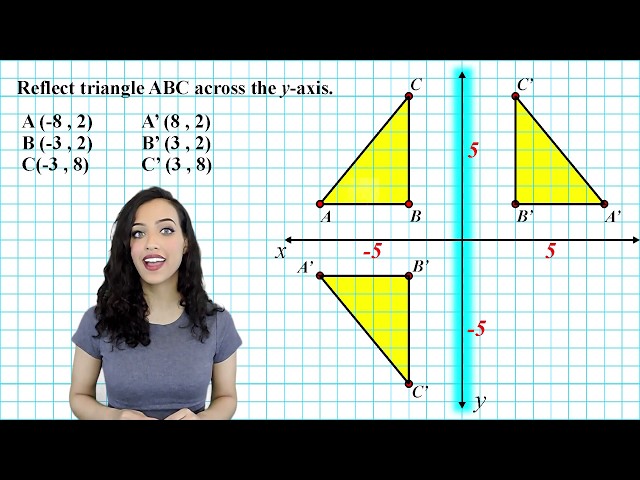
Math - Transformations
Reflection Across the X and Y Axis
-

Math - Similarity
Similar Shapes
-

ELA - Reading: Informational Text
Author's Purpose and Point of View Mini lesson for Nonfiction Text
-

Math - Angle relationships
Angle Basics
-

Science - Biological Evolution: Unity and Diversity
The Fossil Record (MS-LS4-1, English)
-

Science - Biological Evolution: Unity and Diversity
All About Carnivorous Plants! - Adaptations & Evolution of Plants - MS-LS4-6
-

Math - Measures of center
Measures of Spread Guided Notes Lesson
-

ELA - Language
Sentence Structure Explained – Simple, Compound, & Complex Sentences!
-

Math - Measures of variation
MEASURES OF VARIATION | FINDING QUARTILES
-

Math - Volume of 3D shapes
How to Calculate the Volume of 3D Objects
-

Math - Statistical questions
Introduction to Statistics
-

Math - Math - Transformations
The Four Transformations In Maths
-
Science - Biological Evolution: Unity and Diversity
Natural Selection / Adaptation / Survival of the Fittest
-

Math - Random sampling
Stratified random sample | Sampling | Statistics
-

Math - Scale and similarity
DIFFERENCE BETWEEN SIMILAR & CONGRUENT FIGURES?
-

Math - Measures of variation
Understanding Normal Distribution and Standard Deviation
-

Science - Earth's Systems
Regional climates | Weather and climate | Middle school Earth and space science | Khan Academy
-

Math - Cross sections
Cross Sections
-

Science - Heredity: Inheritance and Variation of Traits
The effects of mutations | Biomolecules | MCAT | Khan Academy - JxC2phkdY8Y
-
ELA - Reading: Informational Text
Literary Analysis - Claims, Evidence, Reasoning
-
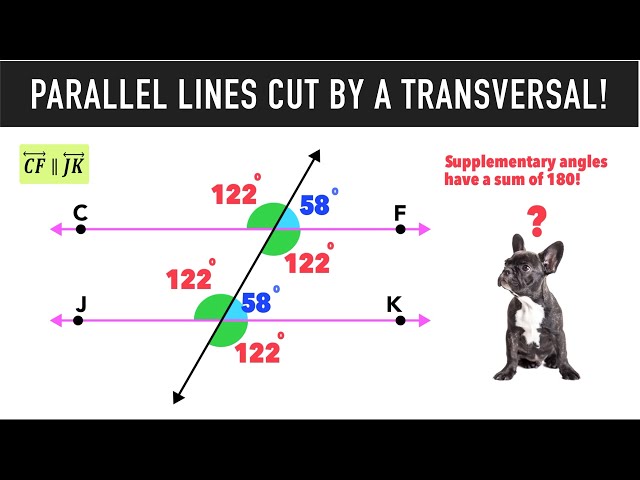
Math - Angle relationships
Parallel Lines Cut by a Transversal & Angle Relationships
-

Math - Describing distributions
The 6 MUST-KNOW Statistical Distributions MADE EASY
-

Math - Data displays
Stem and Leaf Plots Guided Notes Lesson
-
Science - Earth's Systems
Weather Patterns | Factors Affecting Weather | Valleys & Mountains (Middle School Science)
-

Math - Measures of center
Measures of Center & Variability Homework Review: Mastering Data Analysis!
-

Science - Energy
Kinetic Energy: Mass and Speed
-
Math - Probability concepts
Experimental Probability
-

Science - Heredity: Inheritance and Variation of Traits
Sexual reproduction and genetic variation | Middle school biology | Khan Academy
-

Math - Surface area, volume concepts
Volume of Rectangular Prisms
-

Math - Circle measurements
How to Calculate the Length of the Circumference - Calculating Skills for Kids
-
Math - Data displays
How To Choose The Right Graph (Types of Graphs and When To Use Them)
-

Math - Angle relationships
PARALLEL LINES AND TRANSVERSALS | Find the Angle Measure
-

Science - Biological Evolution: Unity and Diversity
What is Natural Selection?
-

Math - Measures of center
Mean, Median, Mode, Range - Central Tendency Measurements
-

Math - Describing distributions
Describing Distributions: Center, Spread & Shape | Statistics Tutorial
-
Math - Measures of variation
Variance (Simply explained)
-

Math - Congruence
Triangle Congruence Theorems Explained: ASA, AAS, HL
-

Math - Measures of center
Mean, Median, Mode, and Range
-

Science - Waves and Their Applications
Waves for Kids | Wavelength & Amplitude | Science Lesson for Grades 3-5 | Mini-Clip
-

Science - Motion and Stability: Forces and Interactions
Ep. 1 Newton's First Law - Science Talks With Alex Knox NGSS MS-PS2-2
-
ELA - Reading: Literature
Analyzing an Author’s Point of View and Purpose
-

Math - Describing distributions
Frequency Tables and Dot Plots - How To Organize and Analyze Data
-

Math - Scale and similarity
Similar Triangles & Scale Drawings in Geometry
-

ELA - Reading: Literature
Author's Perspective - How Perspective Shows up in Writing
-

Math - Compound events
Probability of Compound Events
-

Math - Data displays
How to spot a misleading graph
-
Science - Waves and Their Applications
Sound: Wavelength, Frequency and Amplitude
-
Math - Population inferences
7th Grade STAAR Practice Inferences About Populations
-

Science - Waves and Their Applications
Wave Motion | Waves | Physics | FuseSchool
-
Math - Probability concepts
What is Experimental Probability?
-

Math - Probability concepts
Experimental Probability - Using Data to Predict Outcomes
-

Math - Random sampling
What Are The Types Of Sampling Techniques In Statistics - Random, Stratified, Cluster, Systematic
-

Math - Similarity
Indirect Measurement Using Similar Triangles
-

Math - Angle relationships
Review of basic angle relationships
-

Math - Describing distributions
Shape of Distributions and How It Affects Center and Spread
-

ELA - Reading: Literature
How to Write an Objective Summary of Informational Text
-
Math - Congruence
Congruent Shapes
-

Science - Earth and Human Activity
Fossil Fuels 101
-
ELA - Reading: Informational Text
Creating objective summaries | Reading | Khan Academy
-
ELA - Reading: Literature
Figurative Language Practice - Simile, Metaphor, Personification, and Hyperbole
-
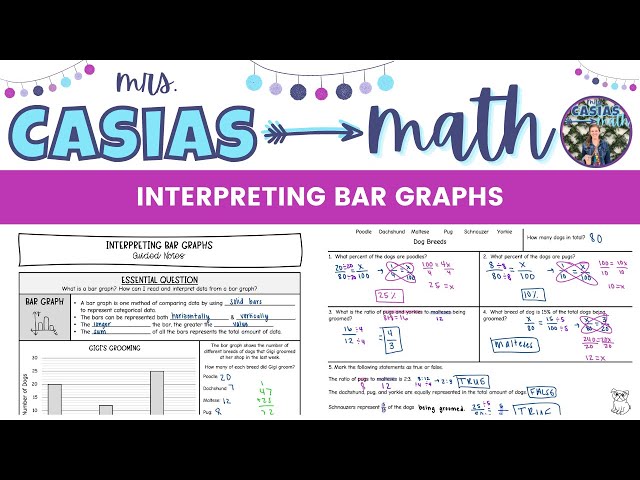
Math - Data displays
Interpreting Bar Graphs
-

Math - Math - Transformations
Introduction to transformations | Transformations | Geometry
-

Science - Heredity: Inheritance and Variation of Traits
Variation | Genetics | Biology | FuseSchool
-

Math - Similarity
Introducing similarity
-

Math - Angle relationships
Complementary and Supplementary Angles
-

Math - Volume of 3D shapes
Volume of 3D Shapes
-

Science - Biological Evolution: Unity and Diversity
Evidence of evolution: anatomy | Evolution | Middle school biology | Khan Academy
-

Math - Random sampling
Methods 101: Random Sampling
-

Science - Energy
Kinetic Energy (Middle School Science)
-

Math - Data displays
Histograms and Frequency Tables Guided Notes Lesson
-

Math - Population inferences
Population vs Sample
-

Math - Statistical questions
What Is Statistics: Crash Course Statistics
-

Math - Congruence
Congruent Triangles! (SSS, SAS, AAS, and ASA Congruency)
-

Math - Circle measurements
Unveiling The Remarkable Discovery Of Pi By A Genius - Prepare To Be Amazed!
-
Math - Data displays
Probability of Compound Events the EASY WAY!
-
Science - Earth's Systems
Weather: Air Masses & Fronts
-
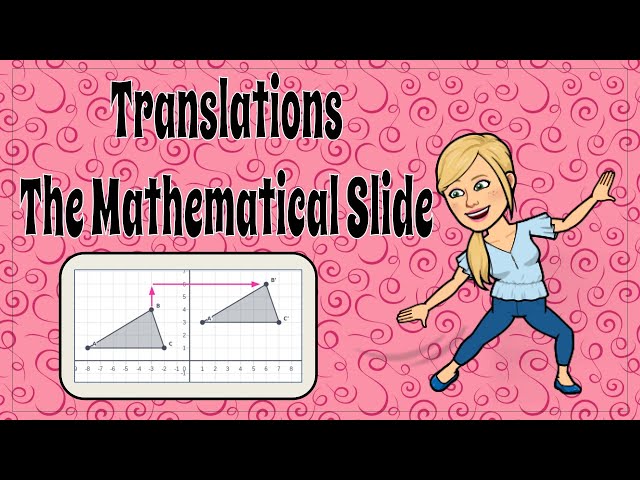
Math - Math - Transformations
How to Perform Translations: The Mathematical Slide
-

Math - Volume of 3D shapes
Geometry - Volume of 3D Shapes
-
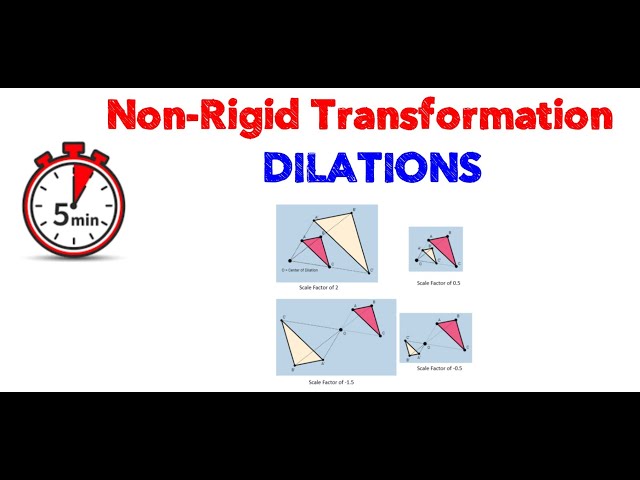
Math - Math - Transformations
Dilations - Non-Rigid Transformation
-
ELA - Reading: Literature
Figurative Language
-

Science - Biological Evolution: Unity and Diversity
How Natural Selection Works
-

Math - Statistical questions
Intro to Statistical Questions and Dot Plots
-

Math - Cross sections
Cross Sections
-

Math - Population inferences
What is inferential statistics? Explained in 6 simple Steps.
-
Science - Biological Evolution: Unity and Diversity
Survival of the Fittest
-
Science - Biological Evolution: Unity and Diversity
Myths and misconceptions about evolution - Alex Gendler
-

Science - Heredity: Inheritance and Variation of Traits
Myth 3 - All Mutations Are Harmful
-

Math - Cross sections
Cross Sections of Solids
-

Math - Measures of center
Statistics - Measures of Center
-

Math - Statistical questions
What is a Statistical Question?
-
Science - Motion and Stability: Forces and Interactions
Intro to Balanced and Unbalanced Forces for Middle School or Older Students. NGSS: 3-PS2-2, MS-PS2-1
-
ELA - Reading: Informational Text
How to Write an Objective Summary of Informational Text
-

Math - Data displays
Data Visualization in 2024
-

Science - Earth's Systems
Cold Warm Occluded Stationary-Types of Weather Fronts
-

Science - Biological Evolution: Unity and Diversity
How Plants Adapt and React to Their Environment | Science Lesson
-

Math - Random sampling
Simple Random Sampling In 3 Mins: Easy Explanation for Data Scientists
-

Math - Volume of 3D shapes
Three-Dimensional Shapes Part 2: Calculating Volume
-

Math - Math - Transformations
Transformations: Translations, Reflections, and Rotations
-
ELA - Reading: Literature
Creating objective summaries | Reading | Khan Academy
-

Math - Population inferences
From Sample to Population: Statistical Inference Explained
-

Math - Measures of variation
Measures of Variation (range and interquartile range)
-

Math - Measures of center
Mean, Median and Mode
-

Math - Statistical questions
Statistical Questions - Types of Data and Questions Explained
-

Math - Similarity
Proving Similar Triangles
-

Math - Describing distributions
The Shape of Data: Distributions: Crash Course Statistics
-

Math - Angle relationships
COMPLEMENTARY & SUPPLEMENTARY ANGLES
-

Science - Biological Evolution: Unity and Diversity
What is natural selection? | Natural History Museum
-

Math - Angle relationships
Determine how to use angle relationships to solve for the missing angle
-

Math - Congruence
What are Congruent Figures? | An Intro to Congruent Figures
-

Math - Circle measurements
How to Calculate the Circumference of a Circle
-

Science - Biological Evolution: Unity and Diversity
Fossils: Rocking the Earth
-

Math - Scale and similarity
Similar triangles | Similarity | Geometry
-
Math - Statistical questions
Statistical Questions
-

ELA - Language
Simple and compound sentences | Syntax | Khan Academy
-

Math - Measures of variation
Measures of Spread: Crash Course Statistics
-

Math - Data displays
Interpreting Dot Plots
-

Math - Distinguishing relationships
Tables & Graphs - Is There a Proportional Relationship?
-

Math - Scale drawings
GCSE Maths - Using Scales on Maps and Scale Diagrams
-

Math - Negative numbers
Comparing and Ordering Rational Numbers Using a Number Line
-

Math - Dividing fractions
5 Steps to DIVIDE Fractions | Grade 6 Math 6 | 6.NS.A.1 💜💙
-

Math - Negative numbers
Negative Numbers in Real Life Part 1 - Temperature and Elevation
-
Math - Multi-digit computation
Dividing 3-Digit Numbers by 1-Digit Numbers
-

Math - Area of special quadrilaterals
Finding The Area Of A Trapezoid
-

Math - Absolute value
What is Absolute Value in Math? - Everything You Need to Know
-
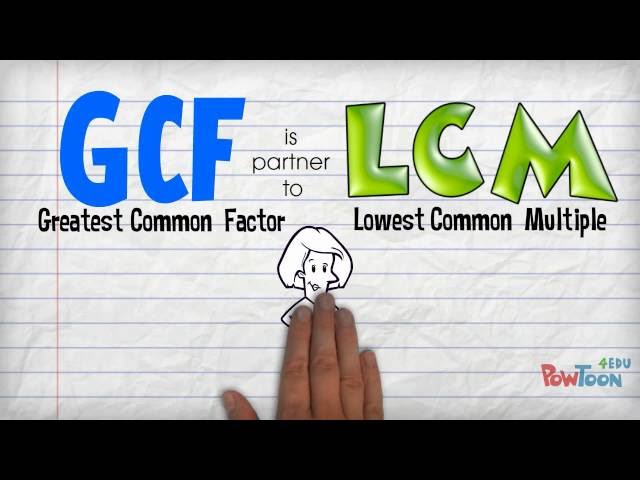
Math - Multi-digit computation
Learn to use prime factorization to help find the greatest common factor (GCF)
-
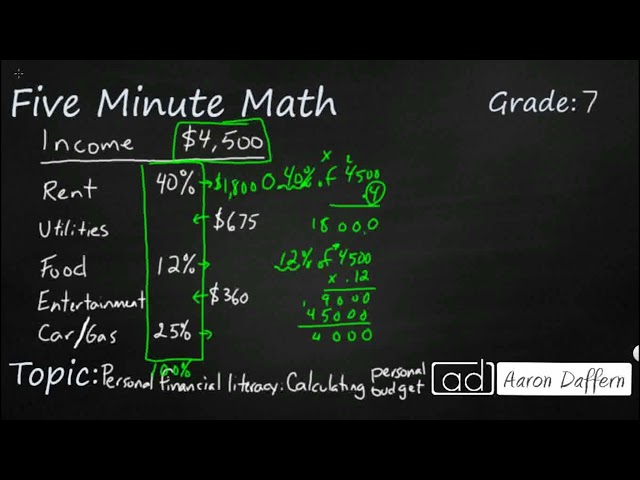
Math - Percent problems and complex percent problems
7th Grade Math Personal Financial Literacy: Calculating Personal Budget
-

Math - Percent problems and complex percent problems
6th Grade Accelerated Math | Percent Word Problems
-

Science - From Molecules to Organisms
Eukaryotic Cells: Plants - How Do a Plant Cell's Unique Organelles Keep It Alive?
-

Science - Earth's Place in the Universe
Lunar Eclipse | Why does the moon appear red?
-

Math - Absolute value
Absolute Value
-
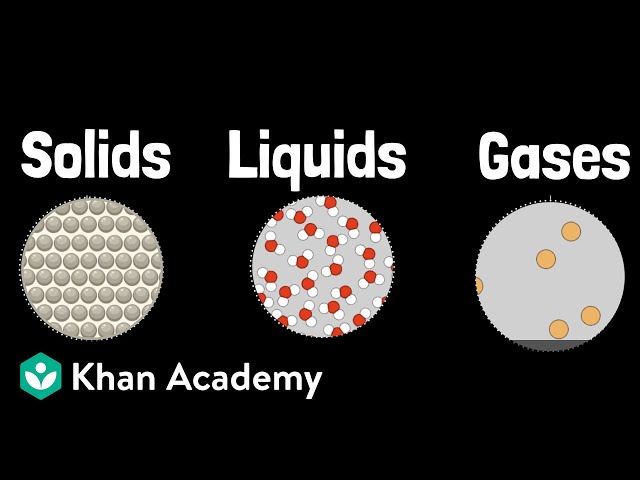
Science - Chemistry
States of matter | Middle school chemistry | Khan Academy
-

Math - Square and cube roots
Find the Cube root 8 and 27 without a calculator
-
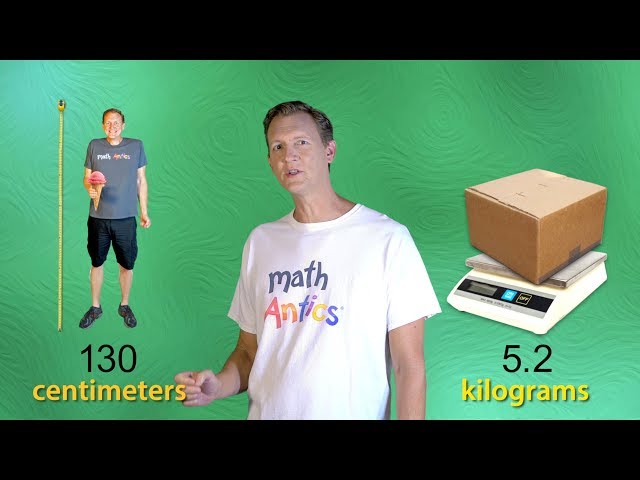
Math - Converting measurements
Intro to the Metric System
-

Math - Polygons in coordinate plane
Polygons in the Coordinate Plane
-
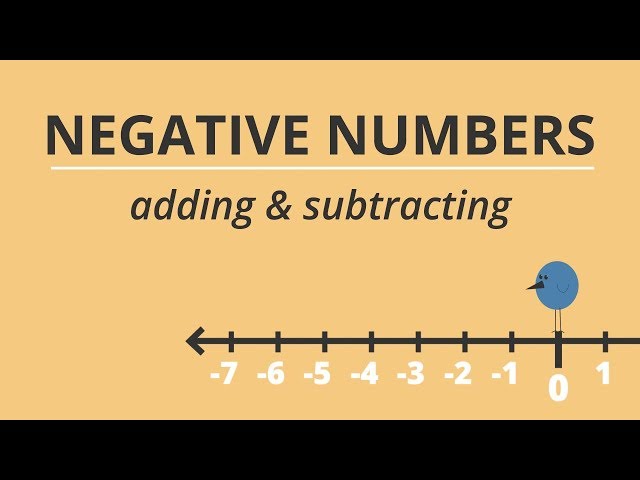
Math - Negative numbers
A Trick for Adding and Subtracting Negative Numbers
-

Math - Dividing fractions
Dividing Fractions in 3 Easy Steps
-
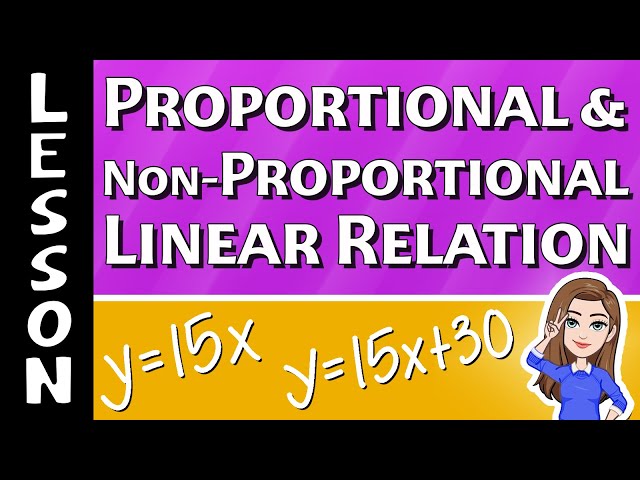
Math - Distinguishing relationships
Proportional & Non-proportional Relationships
-
Science - Chemistry
States of matter | Middle school chemistry | Khan Academy
-

Math - Area of special quadrilaterals
Areas of Parallelograms
-

Science - Earth's Place in the Universe
Lunar Eclipses
-

Math - Multi-digit computation
GCF: Greatest Common Factor
-

Math - Coordinate plane
Graphing in All Four Quadrants
-

Math - Negative numbers
Positive and Negative Numbers for Kids
-

Math - Slope as unit rate
Slope As Unit Rate
-

Math - Slope as unit rate
Rate of Change & Slope
-

Math - Geometry: area of special quadrilaterals, area of triangles, similarity
SURFACE AREA OF SOLID FIGURES
-

Math - Coordinate plane
Coordinate Plane Song
-

Math - Surface area, volume concepts
Surface Area of a Cylinder
-

Math - Polygons in coordinate plane
Polygons in the Coordinate Plane
-

Math - Dividing fractions
DIVISION OF FRACTIONS | GRADE 6
-

Math - Square and cube roots
Why is it called a SQUARE root?
-

Math - Percent problems and complex percent problems
GCSE Maths - Percentage Increase and Decrease (Multiplier Method)
-

Science - Ecosystems: Interactions, Energy, and Dynamics
Energy Flow & Matter Cycling in Ecosystems
-

Science - Earth's Place in the Universe
How Inertia and Gravity work TOGETHER
-

Math - Geometry: area of special quadrilaterals, area of triangles, similarity
Area of Triangle 1
-

Math - Converting decimals to fractions
Converting Between Fractions, Decimals, and Percentages
-

Math - Surface area, volume concepts
Volume For Kids | Introduction to Volume | Measuring Volume using Unit Cubes |Applications of Volume
-

Math - Geometry: area of special quadrilaterals, area of triangles, similarity
Formula for Area of a Triangle - Why?
-

Math - Percent problems and complex percent problems
6th Grade Math What is Percentage
-

Math - Scale drawings
Scale Drawings
-

Math - Irrational numbers
Making sense of irrational numbers - Ganesh Pai
-

Math - Multi-digit computation
MULTIPLICATION OF DECIMALS
-

Math - Irrational numbers
Rational Vs. Irrational Numbers
-

Math - Scale drawings
Understanding Proportional Reasoning and Scale Drawings
-

Math - Coordinate plane
Plotting Points on a Coordinate Plane | All 4 Quadrants
-

Math - Surface area, volume concepts
Volume
-

Math - Surface area, volume concepts
How to Find the Surface Area of a Rectangular Prism
-

Math - Scale drawings
Solving Scale Drawings
-

Math - Slope as unit rate
Unit Rate as Slope
-

Math - Polygons in coordinate plane
Polygons
-

Science - Energy
Kinetic energy | Middle school physics | Khan Academy
-

Math - Scale drawings
How to Find the Actual Size of a Scale Diagram
-

Math - Dividing fractions
Math Antics - Dividing Fractions
-

Math - Scientific notation and Integer exponents
Law of Exponents Song | Exponent Rules of Algebra Basics
-

Math - Properties of operations
The Distributive Property
-

Math - Absolute value
Absolute Value for 6th Grade | Learn how to solve absolute value equations
-
Science - Motion and Stability: Forces and Interactions
Electric Forces (Middle School Science)
-

Math - Converting decimals to fractions
How to Convert Decimals to Fractions Easily
-

Science - From Molecules to Organisms
PLANT VS ANIMAL CELLS
-

Science - Ecosystems: Interactions, Energy, and Dynamics
Food Webs and Energy Pyramids: Bedrocks of Biodiversity
-

Math - Scale drawings
Scale Drawings
-

Math - Distinguishing relationships
Determining if Two Ratios are Proportional (3 Ways)
-

Math - Negative numbers
The Number Line Explained: Negative Numbers
-

Math - Area of special quadrilaterals
The Area of the Square
-

Math - Converting measurements
Metric System Conversions Song | Measurement Song for Kids
-

Math - Geometry: area of special quadrilaterals, area of triangles, similarity
How to Find the Area of a Triangle
-

Math - Converting fractions to decimals
How to Convert a Fraction to a Decimal
-

Math - Dividing fractions
Dividing Fractions with KEEP, CHANGE, FLIP | Fractions Rap Song
-
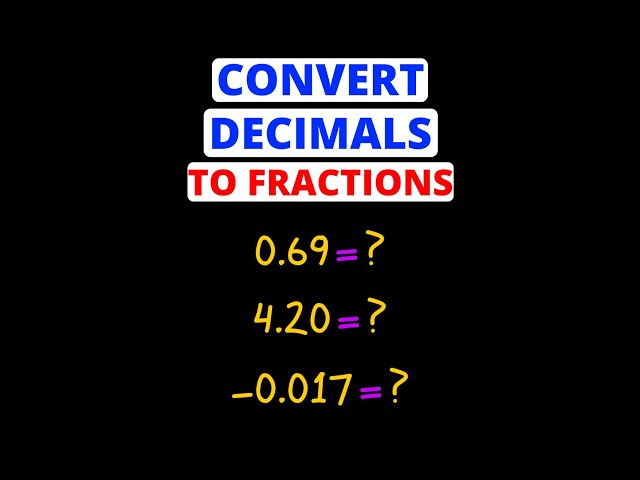
Math - Converting decimals to fractions
Convert Decimals to Fractions | Eat Pi
-

Math - Converting fractions to decimals
Math Antics - Convert any Fraction to a Decimal
-

Science - From Molecules to Organisms
The simple story of photosynthesis and food - Amanda Ooten
-

Math - Scientific notation and Integer exponents
Scientific Notation Explained
-
Math - Surface area, volume concepts
Surface Area and Volume of Pyramids
-

Math - Absolute value
Using Inequality Statements to Compare Values
-
Math - Multi-digit computation
LCM for beginners
-

Math - Percent problems and complex percent problems
How to work out percentages INSTANTLY
-
Math - Coordinate plane
How to Plot Points on All Quadrants
-

Math - Scale drawings
How to Make a Scale Drawing
-
Science - From Molecules to Organisms
Cell Structures & Functions | Animal Cells vs Plant Cells (Middle School Science)
-

Science - Energy
GCSE Physics - Gravitational Potential Energy & Gravity | How to Calculate Weight (2026/27 exams)
-

Science - Energy
PS3.2 Potential and Kinetic Energy Transformations
-

Math - Square and cube roots
Grade 8 | Maths | Cube and Cube Root | Free Tutorial | CBSE | ICSE | State Board
-

Math - Converting decimals to fractions
The Maths Prof: Changing Recurring Decimals into Fractions
-

Math - Absolute value
Absolute Value
-

Math - Absolute value
Introduction to Absolute Value
-
Math - Geometry: area of special quadrilaterals, area of triangles, similarity
Surface Area of Prisms and Pyramids
-

Math - Dividing fractions
How to Divide Fractions – 6th Grade Math
-
Math - Slope as unit rate
Find Unit Rate from a Graph
-

Science - Energy
Kinetic Energy Explained | Real-Life Examples and How to Calculate
-

Math - Coordinate plane
Algebra Basics: Graphing On The Coordinate Plane
-

Math - Area of special quadrilaterals
Area of a Rectangle
-
Science - Ecosystems: Interactions, Energy, and Dynamics
Energy Flow & Matter Cycling in Ecosystems
-

Math - Negative numbers
Comparing and Ordering Integers
-

Math - Dividing fractions
Understanding Fractions as Division | Word Problems Included
-

Math - Distinguishing relationships
Proportional and Non-proportional Graphs
-

Science - Chemistry
Heat capacity | Middle school chemistry | Khan Academy
-
Science - Ecosystems: Interactions, Energy, and Dynamics
Food Webs and Energy Pyramids: Bedrocks of Biodiversity
-

Math - Converting measurements
Anywhere Math
-

Math - Negative numbers
Negative Numbers
-

Math - Surface area, volume concepts
How to find the Surface Area and Volume of Prisms
-

Science - Chemistry
Particle Motion in Matter
-
Math - Irrational numbers
Understand & Identify Rational and Irrational Numbers
-
Science - Earth's Place in the Universe
Lunar Eclipse 101 | National Geographic
-

Math - Polygons in coordinate plane
How Do You Draw a Polygon Given Its Vertices in the Coordinate Plane?
-
Math - Multi-digit computation
Long Division with 2-Digit Divisors
-

Math - Negative numbers
Negative Numbers: An Overview
-

Math - Area of special quadrilaterals
Proving the area of a trapezium
-
Math - Percent problems and complex percent problems
Percent word problem example 1 | Ratios, rates, and percentages | 6th grade | Khan Academy
-

Math - Percent problems and complex percent problems
Percent of a Number using Proportional Relationships - Math with TallTal
-

Science - Motion and Stability: Forces and Interactions
Electric Charge and Electric Fields
-

Math - Polygons in coordinate plane
Finding the Area of a Polygon on a Coordinate Plane
-
Science - Ecosystems: Interactions, Energy, and Dynamics
Energy Flow in Ecosystems - Food Chains and Food Webs
-

Math - Coordinate plane
Plotting Coordinates on Four Quadrants Made Simple
-

Science - Earth's Place in the Universe
Gravity: Architect of Galaxies and Cosmic Collisions | Wonders of Universe | BBC Earth Science
-

Math - Surface area, volume concepts
Surface Area Song for Kids | Cube and Rectangular Prism Geometry
-

Math - Irrational numbers
Irrational Numbers on a Number Line
-
Math - Multi-digit computation
Least Common Multiples vs. Greatest Common Factors (LCM vs. GCF)
-

Math - Area of special quadrilaterals
Area of a Trapezoid (Trapezium)
-

Math - Scale drawings
Scale Drawings and Models
-
Science - Energy
Kinetic energy | Energy | Middle school physics | Khan Academy
-
Math - Negative numbers
Introduction to Integers
-

Math - Surface area, volume concepts
Volume of a Cone
-

Math - Irrational numbers
Rational and irrational numbers Review
-

Science - From Molecules to Organisms
Relationship between Photosynthesis and Cellular Respiration
-

Math - Irrational numbers
Rational, Irrational and Real Numbers
-
Science - Motion and Stability: Forces and Interactions
Electric Fields: Crash Course Physics #26
-

Science - From Molecules to Organisms
All About Animal Cells for Kids | Middle School Science | Twinkl USA
-

Math - Converting measurements
Measurement Conversions
-

Math - Converting fractions to decimals
Converting Fractions to Decimals Song
-

Math - Absolute value
How to Find the Distance Between Two Numbers | Measuring Distance, Absolute Value
-

Math - Negative numbers
Comparing Negative and Positive Numbers - Using Inequalities To Compare Values
-
Math - Geometry: area of special quadrilaterals, area of triangles, similarity
Areas of Triangles
-

Math - Coordinate plane
CS in Algebra: Coordinate Plane
-

Math - Surface area, volume concepts
Volume of Prisms - Calculate 3D Space in Geometry
-

Math - Square and cube roots
Square Roots and Cube Roots
-

Math - Surface area, volume concepts
Surface area word problem: Cover a box with wrapping paper
-
Math - Converting decimals to fractions
Converting decimals to fractions example 1 | Decimals | Pre-Algebra | Khan Academy
-

Math - Converting decimals to fractions
Converting Decimals, Improper Fractions, and Mixed Numbers
-

Math - Area of special quadrilaterals
Area of a Parallelogram | Formula and Examples
-

Math - Scientific notation and Integer exponents
Integer Exponents | 9 Properties of Exponents | Laws of Exponents [Animated]
-

Math - Percent problems and complex percent problems
How to Calculate a Discount and Sale Price | Math with Mr. J
-

Math - Percent problems and complex percent problems
Finding a Percentage of an Amount | GCSE Maths 2025 | 38/400
-

Math - Scientific notation and Integer exponents
Scientific / Standard Notation "Decode It" Music Video
-

Science - From Molecules to Organisms
Learn all about animal cells in 3 MINUTES | Easy science video
-

Math - Dividing fractions
Dividing Fractions Word Problems | Fraction Word Problems
-

Math - Converting measurements
Metric Units of Length | Convert mm, cm, m and km
-

Science - Motion and Stability: Forces and Interactions
Potential Energy, Kinetic Energy and Collisions
-

Science - Earth's Place in the Universe
To Scale: THE SOLAR SYSTEM
-

Science - Earth and Human Activity
Natural hazards | Earth and society | Middle school Earth and space science | Khan Academy
-

Math - Radicals
What are Square Roots?
-

Math - Dependent and independent variables
Relationships & the Coordinate Plane | 6.EE.C.9 | Grade 6 Math 💜💙
-

Science - Energy
GCSE Physics - Conduction, Convection & Radiation | How Heat Energy is Transferred (2026/27 exams)
-
Science - Waves and Their Applications
Behavior of Light | Reflection, Refraction, Absorption
-

Math - Generating equivalent expressions
Algebra Basics: The Distributive Property - Math Antics
-

Science - Ecosystems: Interactions, Energy, and Dynamics
Producers, Consumers, and Decomposers | Ecosystems
-

Science - Energy
Potential and Kinetic Energy – Newton's Cradle
-

Science - Earth's Place in the Universe
How Day & Night Work | How the Seasons Work (Middle School Science)
-

Science - Earth's Systems
Water Cycle | How the Hydrologic Cycle Works
-

Science - From Molecules to Organisms
Photosynthesis (Middle School Science)
-
Science - Energy
The Difference Between Heat & Thermal Energy (Middle School Science)
-

Science - Energy
Thermal energy, temperature, and heat | Khan Academy
-

Math - Radicals
Beginner Guide To Simplifying Radicals
-

Science - Motion and Stability: Forces and Interactions
Newton's 3 Laws, with a bicycle - Joshua Manley
-

Science - Earth's Systems
What’s With Weather Fronts?
-

Science - Earth's Place in the Universe
Earth's Rotation & Revolution: Crash Course Kids 8.1
-

Math - Dependent and independent variables
Learn Functions, Independent & Dependent Variables -[6-6-23]
-

Science - Earth's Systems
Plate Tectonics Explained
-

Science - Energy
STEMonstrations: Kinetic and Potential Energy
-

Science - From Molecules to Organisms
Cellular respiration | Food and energy in organisms | Middle school biology | Khan Academy
-

Science - Earth's Systems
Plate Tectonics Explained *SIMPLE and EASY*
-

Science - Energy
Thermos Project - Construct a device that minimizes thermal energy transfer
-
Math - Inequalities
Algebra Basics: Inequalities In Algebra - Math Antics
-
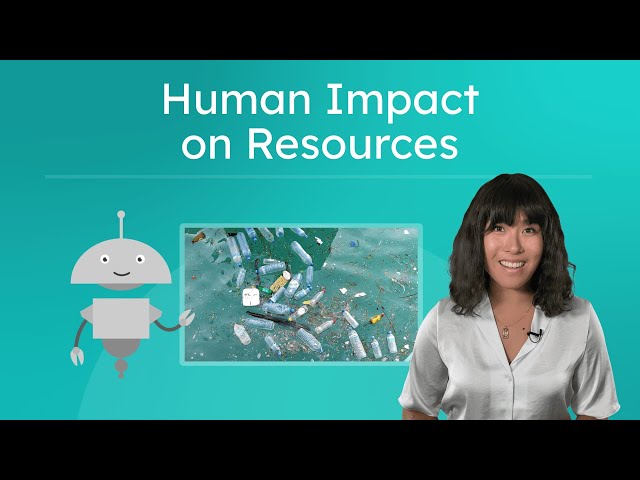
Science - Earth and Human Activity
Human Impact on Resources - How We Affect and Protect Earth's Resources
-

Science - Earth and Human Activity
Climate Change 101 with Bill Nye | National Geographic
-

Science - Earth and Human Activity
Climate change (according to a kid)
-
Science - Earth's Systems
Tectonic Plates - What They Are & How They Work | Sea Floor Generation & Destruction (Middle School)
-

Science - Chemistry
What really happens to the plastic you throw away - Emma Bryce
-

Science - Waves and Their Applications
Wave Equation | Waves | Physics | FuseSchool
-

Science - Earth's Place in the Universe
Moon Phases: Crash Course Astronomy #4
-
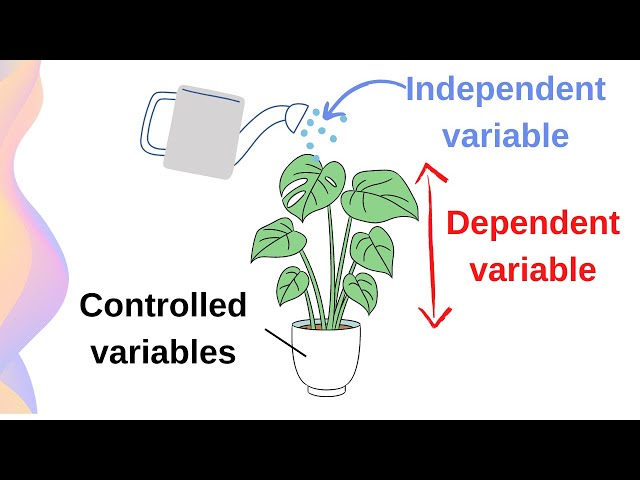
Math - Dependent and independent variables
Independent, Dependent and Controlled Variables
-

Science - Earth and Human Activity
Natural Vs Human Environments
-

Math - Ratio concepts
Ratio to Fraction
-
Science - Ecosystems: Interactions, Energy, and Dynamics
Carrying Capacity | Population Ecology
-

Math - Inequalities
GCSE Maths - Solving Inequalities by Plotting them on a Graph (Inequalities Part 4)
-

Science - Chemistry
Diversity of Materials – Fabrics
-

Science - Energy
Collisions for Kids | Transfer of Energy | Science Lesson for Grades 3-5 | Mini-Clip
-

Science - Motion and Stability: Forces and Interactions
Collision is all around us! | MightyOwl Science | 4th Grade
-
Science - Ecosystems: Interactions, Energy, and Dynamics
The carbon cycle | Middle school Earth and space science | Khan Academy
-

Science - Earth's Systems
Plate Tectonics Explained | Plate Boundaries | Convection Currents
-

Science - Earth and Human Activity
How Do Greenhouse Gases Actually Work?
-

Science - Earth's Systems
Earthquakes & Volcanoes - the Story of Earth as a Violent Place | Down to Earth
-

Math - Unit rate
Solve Unit Rate Problems
-

Science - Earth's Place in the Universe
How BIG Is Our Solar System? | Earth Science
-

Science - From Molecules to Organisms
Photosynthesis Equation
-

Science - Earth and Human Activity
GCSE Biology - Maintaining Biodiversity | Reducing Environment Impact (2026/27 exams)
-

Science - Chemistry
Are Synthetic Fabrics *actually* the Worst? Unraveling History
-

Science - From Molecules to Organisms
Photosynthesis (UPDATED)
-

Science - Earth and Human Activity
Forecasting Natural Hazards | Rap Video by SquidBooks
-

Math - Radicals
Adding and Subtracting Radicals with Variables
-

Science - From Molecules to Organisms
Animal cells vs plant cells | What's the difference? | Anatomy & function
-

Math - Systems of equations
Systems of Linear Equations (Word Problems)
-

Science - From Molecules to Organisms
Introduction to Cells: The Grand Cell Tour
-
Science - Energy
Heat Transfer | Conduction, Convection & Radiation
-

Math - Systems of equations
Solve Linear Systems with Graphing
-

Science - Earth and Human Activity
Photosynthesis & Respiration | Reactions | Chemistry | FuseSchool
-
Science - From Molecules to Organisms
Photosynthesis and Cellular Respiration - Energy Cycle of Life
-

Science - Earth's Systems
Understanding Global Atmospheric Circulation
-

Science - Earth and Human Activity
Climate: Climate Change and Greenhouse Gases | Science Trek
-

Science - Earth's Systems
The Sun's energy and Earth's weather | Middle school Earth and space science | Khan Academy
-
Science - Earth's Place in the Universe
Solar Eclipse 101 | National Geographic
-

Math - Inequalities
01 - Graphing Inequalities in Two Variables, Part 1 (Solve, Graph & Shade Inequalities)
-

Math - Radicals
Solving Radical Equations
-

Science - Waves and Their Applications
Wave properties | Middle school physics | Khan Academy
-
Science - Earth's Place in the Universe
Moon Phases Explained (Animations and Timelapse)
-

Math - Systems of equations
Solving Systems of Equations Step-by-step!
-

Science - Ecosystems: Interactions, Energy, and Dynamics
Resources and population growth | Interactions in ecosystems | Middle school biology | Khan Academy
-
Math - Ratio concepts
3 ways to simplify ratios
-

Science - Energy
Heat Conductors and Insulators – A Demonstration
-
Science - Ecosystems: Interactions, Energy, and Dynamics
Resource Competition (Middle School Science)
-
Science - Motion and Stability: Forces and Interactions
Forces and Motion – Collisions
-
Science - Waves and Their Applications
Wavelength-Frequency-Speed Relationship
-

Science - Earth and Human Activity
What Exactly is a Natural Hazard?
-

Science - Earth and Human Activity
Grade 7 Human and Natural Impacts on an Ecosystem
-

Science - From Molecules to Organisms
Cellular Metabolism - Photosynthesis and Cellular Respiration Explained
-

Science - Earth and Human Activity
Preparation for Natural Hazards Explained | Earthquakes, Volcanoes & Tropical Storms| GCSE Geography
-

Science - Waves and Their Applications
Light Absorption, Reflection, and Transmission
-

Science - Earth's Place in the Universe
Difference between a Solar and Lunar Eclipse
-

Science - Earth's Place in the Universe
Solar eclipses | The Earth-sun-moon system | Middle school Earth and space science | Khan Academy
-

Science - From Molecules to Organisms
Photosynthesis In The Ecosystem
-

Science - Chemistry
Natural and Synthetic Materials - How Humans Transform Nature’s Resources
-

Science - Earth's Place in the Universe
One big reason that life on Earth exists - Elise Cutts
-
Science - Earth's Place in the Universe
Solar System Size and Distance
-

Science - Earth's Place in the Universe
Moon Phases | Why Does The Moon Change Shape?
-

Science - Earth's Systems
What is global circulation? | Part One | Differential heating
-

Science - Energy
How To Calculate Kinetic Energy: Simple Formula & Easy Examples | Tadashi Science
-

Science - Earth and Human Activity
How Humans Change the Environment: Impact, Pollution, and Solutions
-

Math - Ratio concepts
RATIO & PROPORTION
-

Science - Energy
Heat and Temperature
-
Science - Earth's Systems
Learning the Rock Cycle! | Acadia National Park
-

Math - Radicals
Variables, Expressions, and Equations
-

Science - Earth's Systems
Tectonic Plates: The Skin of Our Planet | Down to Earth | Da Vinci
-
Science - Motion and Stability: Forces and Interactions
Newton's third law - Best Demonstration EVER !! - by Prof. Walter Lewin
-

Math - Equivalent ratios
Equivalent Ratios
-

Science - Energy
Thermal Energy
-

Science - Earth's Systems
Water Cycle Diagram- A Demonstration for Each Step of the Water Cycle
-
Science - Motion and Stability: Forces and Interactions
Newton's Third Law | Forces & Motion | Physics | FuseSchool
-

Math - Equivalent ratios
Equivalent Ratios
-

Science - Earth and Human Activity
Climate Change and Global Warming: Explained in Simple Words for Beginners
-

Math - Dependent and independent variables
Identifying Variables and Graphing
-

Science - Chemistry
The Chemistry of Clothes | California Academy of Sciences
-

Math - Ratio concepts
Ratios Song
-
Math - Dependent and independent variables
Input & Output Tables | Part 1 Rules & Missing Values (Multiplication & Addition)
-

Math - Generating equivalent expressions
Simplifying Equations using Distributive Property | Expressions & Equations | Grade 6
-
Science - Chemistry
Natural and Synthetic Materials - How Humans Transform Nature’s Resources
-

Math - Unit rate
Unit Rates | Solving Unit Rate Problems
-

Math - Linear models
Scatter Plots & Lines of Fit
-
Science - Earth and Human Activity
Earthquakes & Volcanoes - the Story of Earth as a Violent Place | Down to Earth
-
Math - Inequalities
Graphing Systems of Linear Inequalities
-
Science - From Molecules to Organisms
The simple story of photosynthesis and food - Amanda Ooten
-

Math - Inequalities
LINEAR INEQUALITIES GRAPHING EXPLAINED!
-

Math - Inequalities
How to Solve One-Step Inequalities | Math with Mr. J
-

Math - Generating equivalent expressions
An Intro to the Distributive Property
-

Science - Earth's Place in the Universe
Planets in Our Solar System
-
Science - Energy
Temperature
-
Science - Earth's Place in the Universe
All the Planets from Inside in 3D
-

Math - Radicals
How to Simplify Radicals With Variables, Exponents, & Cube Roots
-
Science - Earth and Human Activity
What Is the Greenhouse Effect?
-

Math - Unit rate
Find Unit Rate
-

Science - From Molecules to Organisms
Cellular Respiration Explained | How Plants and Animals Get Energy!
-
Science - Earth and Human Activity
Natural Hazards (Middle School Science)
-

Science - Earth's Systems
The Rock Cycle - How Rocks Change Over Time
-

Math - Equivalent ratios
Using Ratio Tables To Find Equivalent Ratios/Rates
-

Science - Earth's Systems
Air Masses and Fronts - How They Affect Weather Patterns
-

Math - Inequalities
Solving a system of inequalities by graphing and shading
-

Math - Radicals
Simplifying Square Roots
-
Math - Converting measurements
Use Metric Conversions to Solve a Real World Problem
-

Science - Ecosystems: Interactions, Energy, and Dynamics
Energy Transfer in a Food Chain & The Cycling of Matter in Ecosystems
-

Science - From Molecules to Organisms
The Photosynthesis Song
-

Science - Earth's Place in the Universe
How To Build A Solar System (To Scale) | Get On It | BBC Earth Kids
-

Science - From Molecules to Organisms
The wacky history of cell theory - Lauren Royal-Woods
-

Science - From Molecules to Organisms
Parts of a Cell | Learn about the parts of plant and animals cells
-

Math - Equivalent ratios
Equivalent Ratio Word Problems
-
Math - Systems of equations
Solving Systems of Linear and Quadratic Equations
-

Science - Energy
Heat Transfer – Conduction, Convection and Radiation
-

Math - Radicals
Simplifying Complex Radical Expressions
-

Math - Systems of equations
Solving Systems of Equations Elimination Method
-

Science - Energy
Science Minute: Learn about thermal energy with a candle and balloon
-

Math - Generating equivalent expressions
An Introduction to Combining Like Terms for Kids!
-

Science - Earth's Systems
Radiation and heat transfer in the atmosphere
-

Science - From Molecules to Organisms
Cell Theory - What Is the Cell Theory and Who Discovered Cells?
-

Science - Waves and Their Applications
Reflection, Absorption, and Transmission of Waves
-
Math - Dependent and independent variables
Input and Output Tables (Function Tables) | Adding, Subtracting, Multiplying, and Dividing - z2IBSAuImyk
-

Science - Energy
Kinetics and Energy Transfer
-

ELA - Reading: Informational Text
Evaluating Arguments
-
ELA - Reading: Informational Text
Cause and Effect | Reading Strategies | EasyTeaching
-
Science - Motion and Stability: Forces and Interactions
Forces | Middle school physics | Khan Academy
-
7 Hidden Signs Someone Is Secretly Unhappy
-

ELA - Language
Vague Pronoun References Video
-
ELA - Reading: Literature
Everyday Grammar TV: Connotations
-
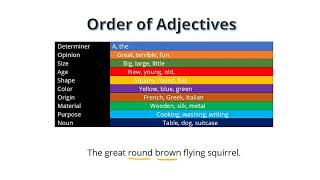
ELA - Language
Comma Series: Coordinate Adjectives
-

Math - Comparing populations
Measures of Center & Variability
-

ELA - Reading: Literature
What's the Mood?
-

ELA - Reading: Literature
Cite textual evidence to support explicitly as well as inferences drawn from the text
-
Science - Energy
Heat Transfer and How to Stop It
-

Science - Chemistry
5 Signs Of A Chemical Reaction - How To Identify Chemical Changes | Chemistry Study Guide
-

ELA - Writing
Sequence of Events in a Story
-

Math - Measures of center
Mean Median Mode
-

Math - Probability models
Theoretical vs Experimental Probability
-
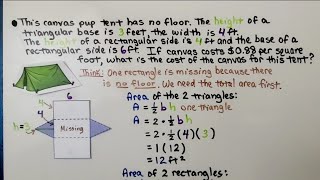
Math - Surface area, volume concepts
Surface Area of a Prism, Using Nets
-

Science - Chemistry
What Is The Law of Conservation of Mass | Properties of Matter | Chemistry | FuseSchool
-

Science - Chemistry
Just How Small is an Atom?
-

Science - Motion and Stability: Forces and Interactions
Newton's Second Law | Forces & Motion | Physics | FuseSchool
-

Science - Chemistry
Solid, Liquid, Gas (States of Matter Song)
-

ELA - Reading: Informational Text
Describe Connections Between Individuals, Events, Ideas, or Information
-
ELA - Reading: Literature
Everyday Grammar TV: Connotations
-

Science - Chemistry
GCSE Chemistry - States of Matter & Changing State
-

Science - Chemistry
Is this a CHEMICAL REACTION? | Chemistry | Chemical vs Physical changes
-

Math - Population inferences
Understanding Statistical Inference - statistics help
-
Science - Chemistry
Inside Atoms: Electron Shells and Valence Electron
-

ELA - Language
Pronouns for Kids | Grammar for Elementary Students
-

Math - Compound events
Compound Events
-
ELA - Reading: Literature
Everyday Grammar TV: Connotations
-

Science - Chemistry
Protons, neutrons, and electrons in atoms | Chemistry | Khan Academy
-
Science - Chemistry
Chemical Changes: Crash Course Kids #19.2
-

ELA - Reading: Literature
Citing Textual Evidence - Literary Analysis for Teens
-

Math - Probability models
Theoretical Probability
-

Science - Chemistry
What Is a Molecule?
-

ELA - Language
How to Read a Dictionary Entry
-

Math - Congruence
Congruence and Transformations
-

ELA - Reading: Literature
Determining Central Ideas and Themes - Literary Analysis for Teens!
-

Science - Chemistry
Chemical reactions | Middle school chemistry | Khan Academy
-

ELA - Reading: Informational Text
Point of View and Author's Purpose - Literary Analysis for Teens!
-
Math - Congruence
Congruence and Transformations
-

Math - Surface area, volume concepts
Volumes of Cylinders and Prisms
-

ELA - Writing
Claims and Counterclaims - Literary Analysis for Teens!
-

Math - Comparing functions
Comparing Functions
-

Math - Linear vs. nonlinear functions
Linear vs. Non-Linear Functions
-

Math - Geometry: area of special quadrilaterals, area of triangles, similarity
Area of a Triangle
-

ELA - Writing
Tone (Literary Device)
-

ELA - Writing
Claims, Evidence, Reasoning
-

ELA - Writing
Interpreting Words and Phrases in Context - Literary Analysis
-
ELA - Reading: Literature
How to Write an INCITING INCIDENT
-

Science - Energy
Our World: Potential and Kinetic Energy by Adventure Academy
-

Math - Comparing functions
Comparing Functions
-

Science - Chemistry
What is a Molecule? | Science for Kids
-
ELA - Reading: Informational Text
Describe Connections Between Individuals, Events, Ideas, or Information
-
ELA - Reading: Literature
Finding Claims and Supporting Evidence in Informational Text
-

Math - Linear vs. nonlinear functions
Linear & Nonlinear Functions
-
Math - Surface area, volume concepts
Will It Fit? Water Bottles and Volume of a Cylinder
-

Math - Population inferences
Random Sampling and Population Inferences
-
Math - Congruence
Rigid Transformations and Congruence
-
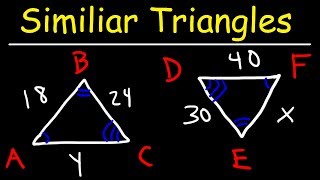
Math - Scale and similarity
Similar Triangles
-

HOW TO GET HOMEWORK DONE | Eight Tips to Procrastinate Less
-
Math - Function representations
Functions Four Representations
-

Math - Linear vs. nonlinear functions
Linear vs. Nonlinear Functions
-

Science - Chemistry
What Is An Atom And How Do We Know?
-
ELA - Reading: Literature
Point of View and Author's Purpose - Literary Analysis for Teens!
-

Math - Function representations
Connect Representations of Functions
-

Science - Chemistry
States of Matter | Solid Liquid Gas
-

Math - Linear equations in context
Slope intercept form explained
-
Science - Chemistry
Law of Conservation of Matter: Why Mass Never Disappears | Middle School Science
-
Math - Probability models
Experimental Probability
-

Science - Chemistry
Heat and Thermal Energy – Particle Movement
-

Math - Scatter plots
Understanding Scatter Plots
-
Science - Earth's Systems
Types Of Rocks | The Dr. Binocs Show | Learn Videos For Kids
-

ELA - Writing
Claims, Evidence, and Reasoning.
-
Science - Heredity: Inheritance and Variation of Traits
Mutations
-

Math - Functional relationships
Domain and Range Made Easy | Real-World Function Examples
-
Math - Geometry: area of special quadrilaterals, area of triangles, similarity
Area of a Triangle
-

Math - Measures of center
Measures of Center
-

ELA - Reading: Literature
Writing objective summaries
-

Science - Waves and Their Applications
Analog vs. Digital As Fast As Possible
-

Science - Motion and Stability: Forces and Interactions
Force, Mass, and Acceleration: Newton's Second Law
-

ELA - Writing
What is Informational Text?
-

Math - Comparing functions
Comparing Functions
-

Science - Earth's Systems
The Rock Cycle | Sedimentary, Metamorphic, Igneous | Learning Made Fun
-
ELA - Reading: Informational Text
Claims, Evidence, and Reasoning.
-
Math - Functional relationships
Algebra 1 Writing Equations to Describe Functional Relationships
-

Math - Measures of center
Choosing Best Measure of Center
-

ELA - Reading: Literature
Explain how an author develops the point of view of the narrator or speaker in a text.
-
Science - Ecosystems: Interactions, Energy, and Dynamics
DEMYSTIFIED - Producers, consumers, and decomposers | Discovery Education
-

ELA - Reading: Literature
Handout 3A: Plot and Character Development
-

Math - Surface area, volume concepts
How To Calculate Find The Volume of A Cube, Square Box, Rectangle, Cylinder, Cone, Sphere Or Ball
-
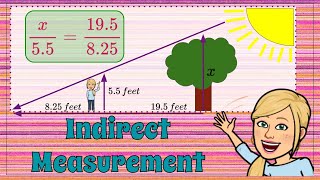
Math - Similarity
Angle-Angle Similarity & Indirect Measurement
-

ELA - Reading: Literature
How to Create Suspense in Writing: Defining Plot!
-

Science - Chemistry
The Law of Conservation of Mass
-

Science - Chemistry
Difference between an Atom, a Molecule and a Compound
-
ELA - Writing
Claims and Counterclaims - Literary Analysis for Teens!
-
ELA - Writing
Informative Essay | Purpose, Structure, and Examples
-

Science - Chemistry
Bill Nye The Science Guy on Chemical Reactions
-

ELA - Writing
How to Use Transition Words| Improve Your Writing Using Transitions
-

Science - Chemistry
7 Signs a Chemical Reaction is Taking Place
-
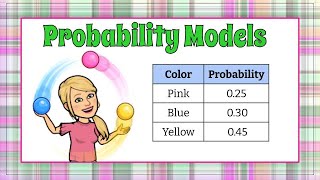
Math - Probability models
How to Create and Use Probability Models
-

Math - Scientific notation and Integer exponents
Scientific Notation
-

ELA - Reading: Literature
What is Hyperbole? | Educational Rap for Language Arts Students
-
Math - Cross sections
Slicing Three Dimensional Figures
-
ELA - Reading: Literature
Citing evidence in literary analysis | Reading | Khan Academy
-
Math - Surface area, volume concepts
Similar Triangles
-
ELA - Writing
Informational Writing for Kids - Episode 1: What Is It?
-

ELA - Reading: Informational Text
Explain how a sentence or section fits into the overall structure of the text.
-
Science - Motion and Stability: Forces and Interactions
MAGNETS: How Do They Work?
-
ELA - Reading: Literature
Metaphor, Simile, Personification, Hyperbole | Figurative Language Lesson
-

Math - Linear models
Writing Linear Equations From Graphs
-
Math - Linear vs. nonlinear functions
Linear vs Nonlinear Functions
-
ELA - Reading: Literature
Introduction to Reading Skills: How Characters Respond to Major Events
-

ELA - Reading: Informational Text
Comparing text structures | Reading | Khan Academy
-
ELA - Reading: Literature
Comparing text structures | Reading | Khan Academy
-

MATH - Square and cube roots
Math Antic - Simplifying Square Roots
-

Math - Coordinate plane
Introduction Coordinate Plane
-

Math - Unit rate
Find Unit Rate from a Graph
-
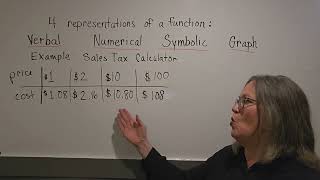
Math - Function representations
Functions Four Representations
-

Math - Properties of operations
Properties of Multiplication Song - Commutative, Associative, Distributive
-

ELA - Language
Reading Comprehension: Using Context Clues
-
Science - Motion and Stability: Forces and Interactions
Force and Net Force
-
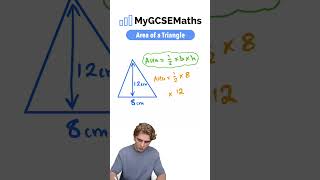
Math - Geometry: area of special quadrilaterals, area of triangles, similarity
Area of a Triangle
-
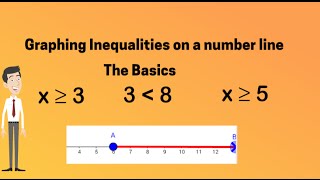
Math - Inequalities
Math-Graphing Inequalities on a Number Line (the basics)
-
ELA - Writing
What Is Expository Writing? - Exploring Informational Texts
-
Math - Area of special quadrilaterals
Quadrilaterals
-

MATH - Probability concepts
Probability
-
Science - Earth's Place in the Universe
Why the solar system can exist
-
Math - Measures of center
Wrap Up - Measures of Center - Intro to Descriptive Statistics
-

Math - Converting measurements
Converting Within the Customary System
-
How to Take Great Notes
-
Math - Equivalent ratios
Equivalent Ratios
-
Math - Solving One Step Equations
One Step Equations song (Isolating the variable)
-

Math - Dividing fractions
Interpreting fractions as quotients
-

Math - Inequalities
Graphing Inequalities on Number Line
-

DEMYSTIFIED- Producers, consumers, and decomposers | Discovery Education
-
Science - Motion and Stability: Forces and Interactions
Newton's Second Law of Motion (F=ma) | GCSE Physics | Doodle Science
-
Math - Functional relationships
Algebra 1 Real World Examples of Functions
-

Math - Converting fractions to decimals
How to Convert Fractions to Decimals
-

Math - Linear models
4 Steps to Graphing Slope-Intercept Form
-
Math - Percent problems and complex percent problems
Math Antics - Percents Missing Total
-
Science - Biological Evolution: Unity and Diversity
LS4C - Adaptation
-
Math - Unit rate
Solving Unit Rate Problems
-
Science - From Molecules to Organisms
How does your memory work? | Head Squeeze
-

Math - Linear models
Data And Graphs
-
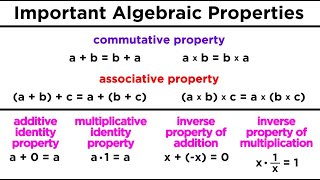
Math - Properties of operations
Basic Number Properties for Algebra
-
Math - Square and cube roots
Perfect Squares and Square Roots
-
Math - Slope as unit rate
Unit Rate Problems using Graphs
-

Math - Equivalent ratios
Equivalent Ratios Lesson
-
Math - Properties of operations
Properties of Operations
-
Math - Slope as unit rate
Finding the Rate of Change (Slope) of a Line Using Rise Over Run
-
Science - Earth's Place in the Universe
A Star is Born | How the Universe Works
-
Science - Earth's Place in the Universe
Is There Gravity in Space?
-
ELA - Reading: Literature
Similes and Metaphors by The Bazillions
-
Math - Random sampling
Bias & Random Sampling
-

Math - Two-way tables
Two Way Tables
-
Math - Generating equivalent expressions
Equivalent Expressions with the Distributive Property
-
Who Am I?
-

Math - Equivalent ratios
Equivalent Ratios and Equivalent Fractions Explained!
-
Math - Writing equations from word problems
Multi Step Equations - 7/8 - Techniques for Solving Equations
-
Math - Geometry: area of special quadrilaterals, area of triangles, similarity
Area of a Triangle
-

Math - Scientific notation and Integer exponents
Integer Exponents Explained
-

Math - Linear models
Basic Linear Functions
-

ELA - Language
Using context clues to determine the meaning of a word | Reading | Khan Academy
-
Math - Linear vs. nonlinear functions
How to Distinguish Between Linear & Nonlinear
-
ELA - Reading: Literature
Similes and Metaphors by The Bazillions
-

MATH - Probability concepts
PROBABILITY
-
Math - Surface area, volume concepts
Surface Area
-
Science - Earth's Systems
ESS2D - Weather and Climate
-
ELA - Language
Phrases v. Clauses
-
Math - Function representations
Multiple Representations of Functions
-

Science - Motion and Stability: Forces and Interactions
Net force | Movement and forces | Middle school physics | Khan Academy
-

ELA - writing
Expository Writing
-

Math - Ratio concepts
Ratios and Rates
-
Math - Converting fractions to decimals
How to Convert Fractions to Decimals
-
Math - Linear vs. nonlinear functions
Linear vs Nonlinear Functions
-
LS4C - Adaptation
-

Math - Coordinate plane
Quadrants and Plotting Points (Simplifying Math)
-
Science - From Molecules to Organisms
Cell parts and their functions | Cells and organisms | Middle school biology | Khan Academy
-
Math - Scientific notation and Integer exponents
Scientific Notation
-
Math - Unit rate
Rates and Unit Rates- Math
-

Math - Solving One Step Equations
Solving One Step Equations
-
ELA - Reading: Literature
Determining the central idea of a text
-
Math - Properties of operations
Properties of Operations
-
Math - Ratio concepts
Ratios And Rates
-

Resources and population growth | Interactions in ecosystems | Middle school biology | Khan Academy
-

Science - From Molecules to Organisms
What Are Cells? (The Cell Theory)
-

Math - Ratio concepts
Examples of Ratios and Rates - Topic Video
-

Math - Linear models
Linear Regression, Clearly Explained
-

Math - Two-way tables
Two Way Tables











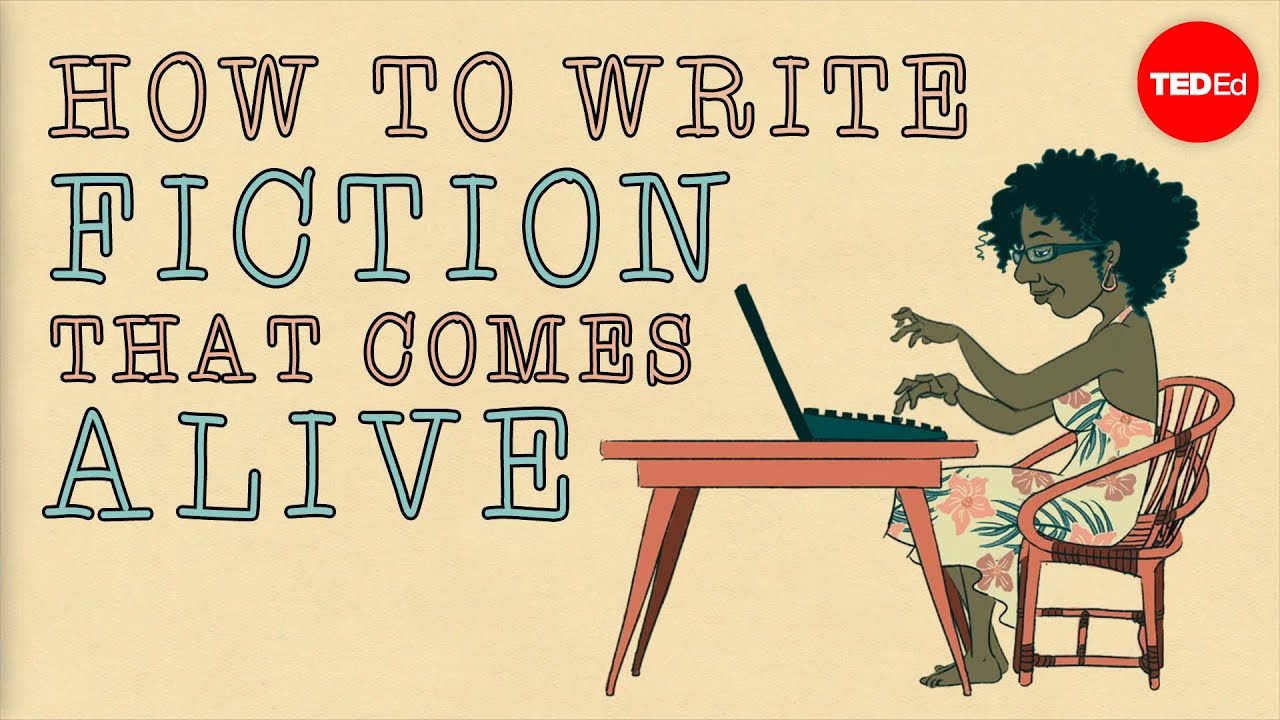

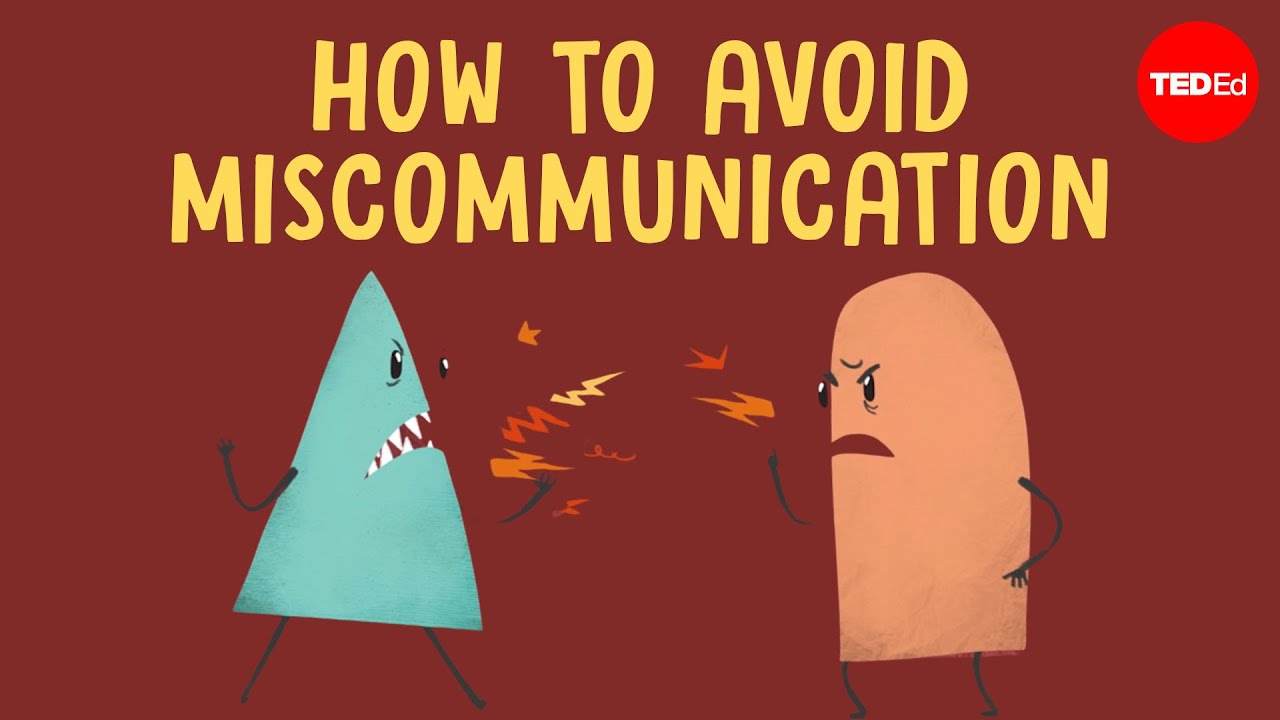


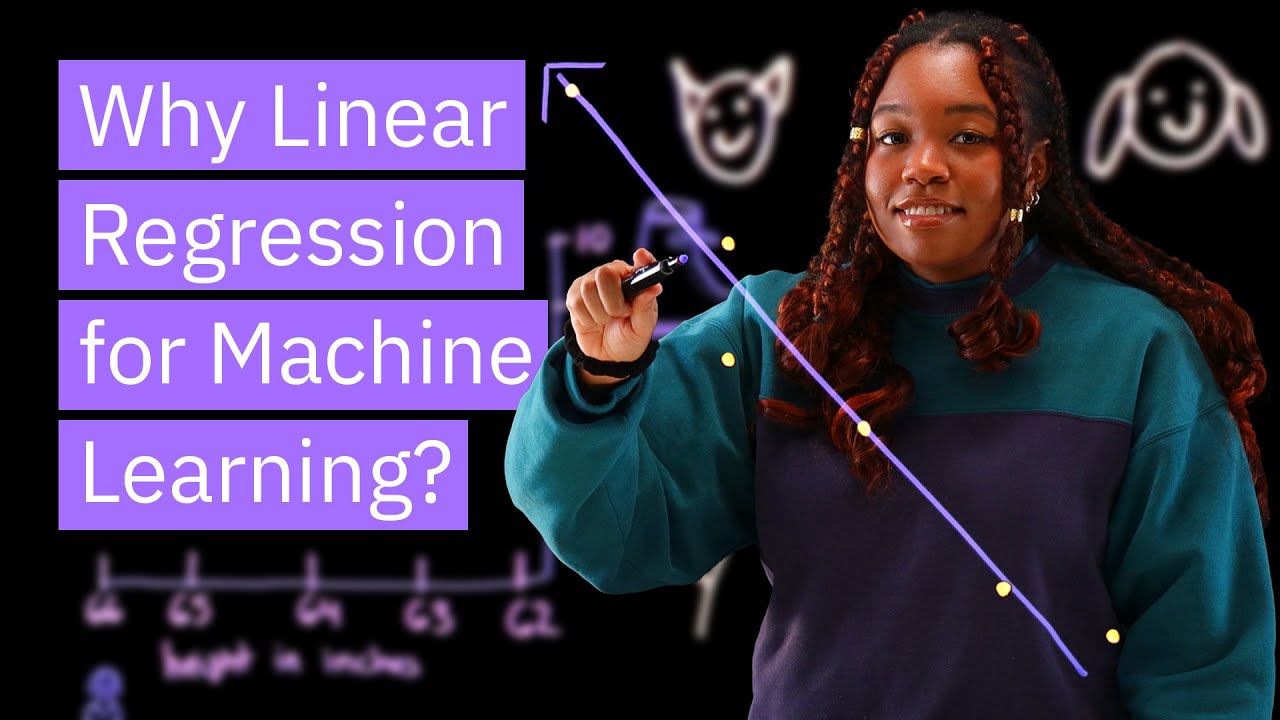


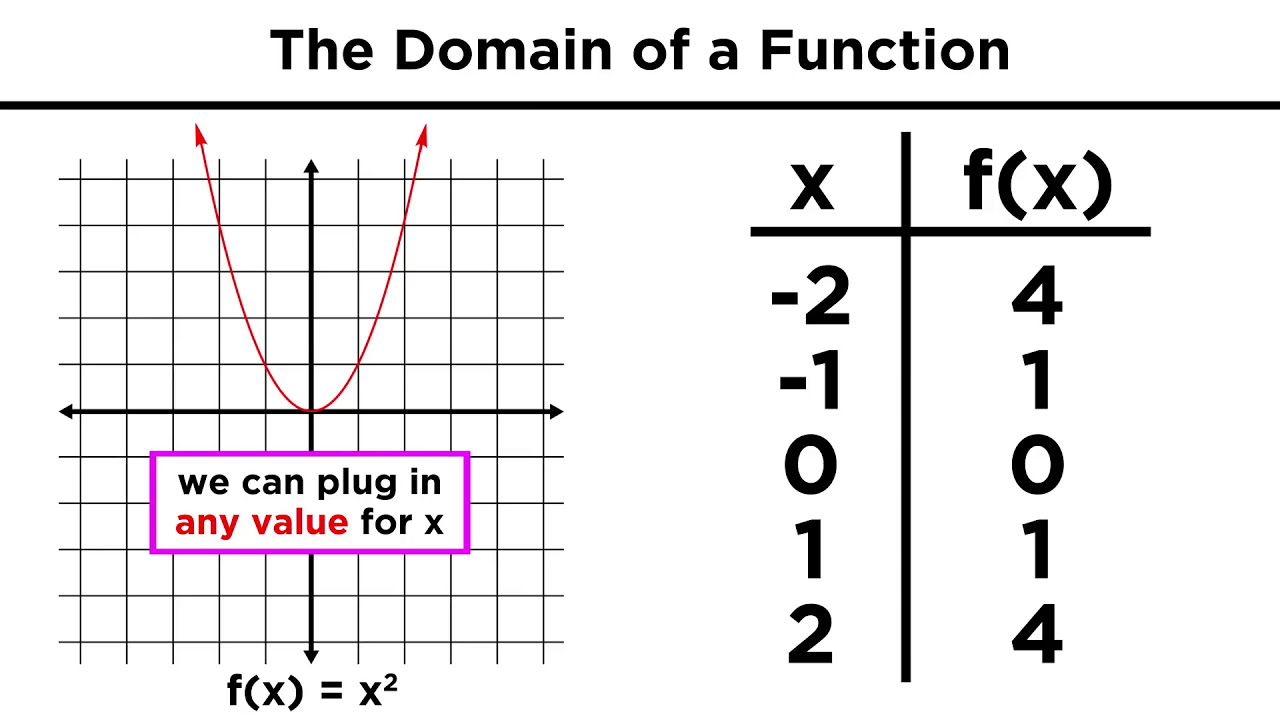


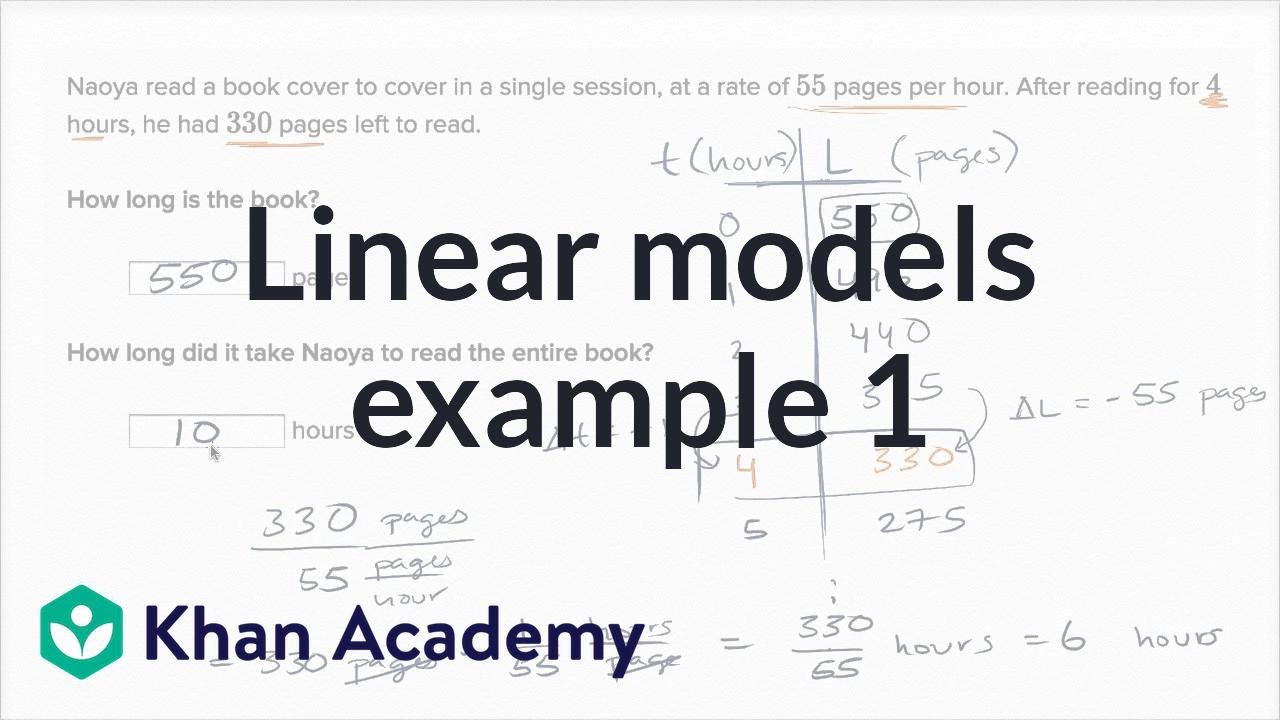











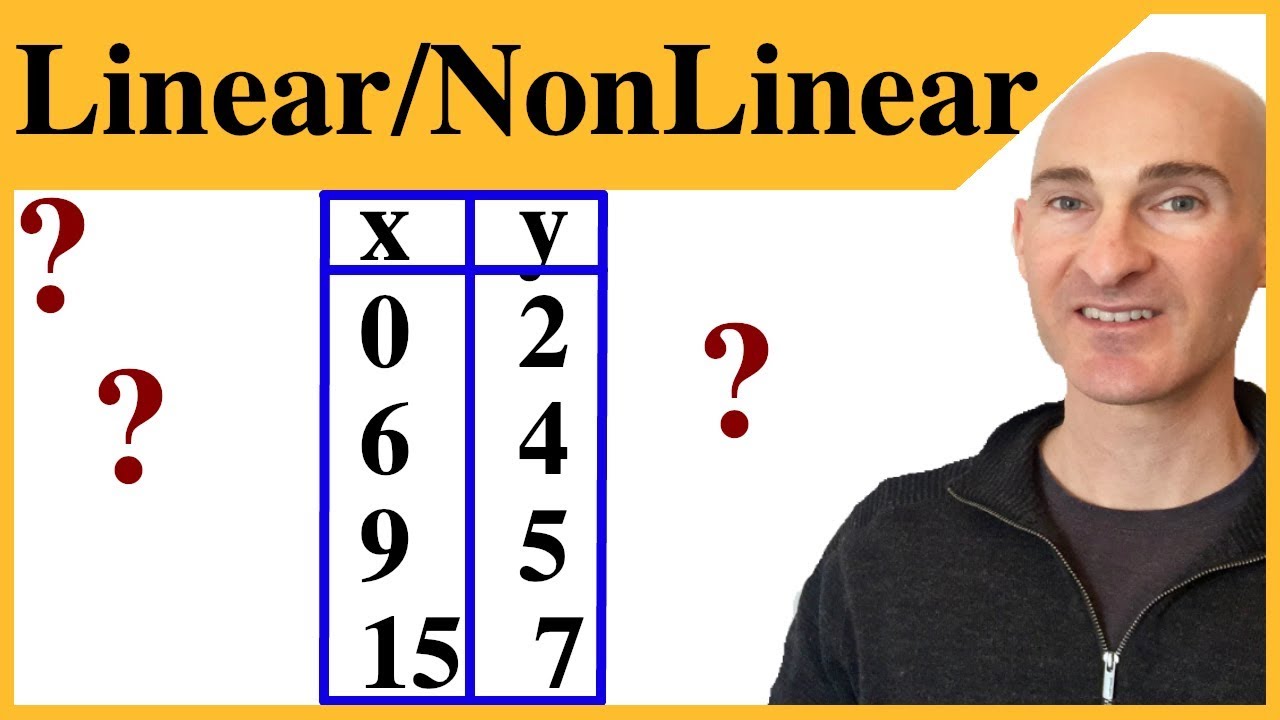


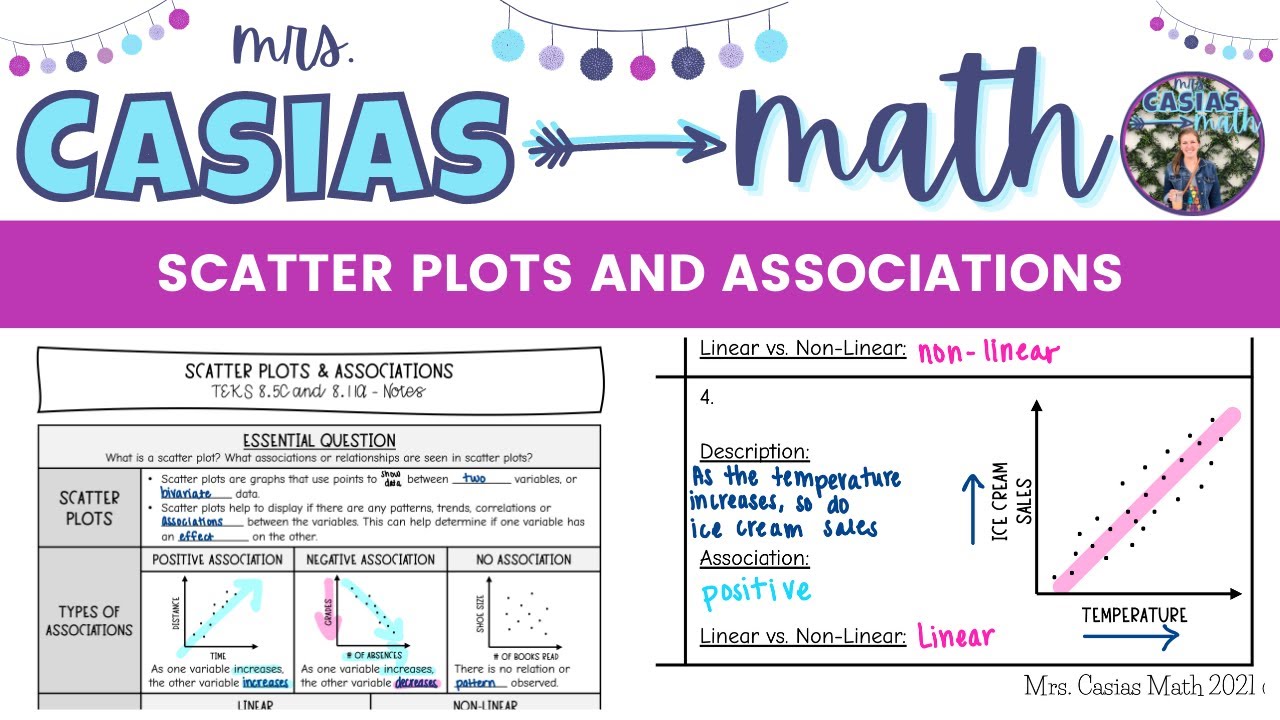
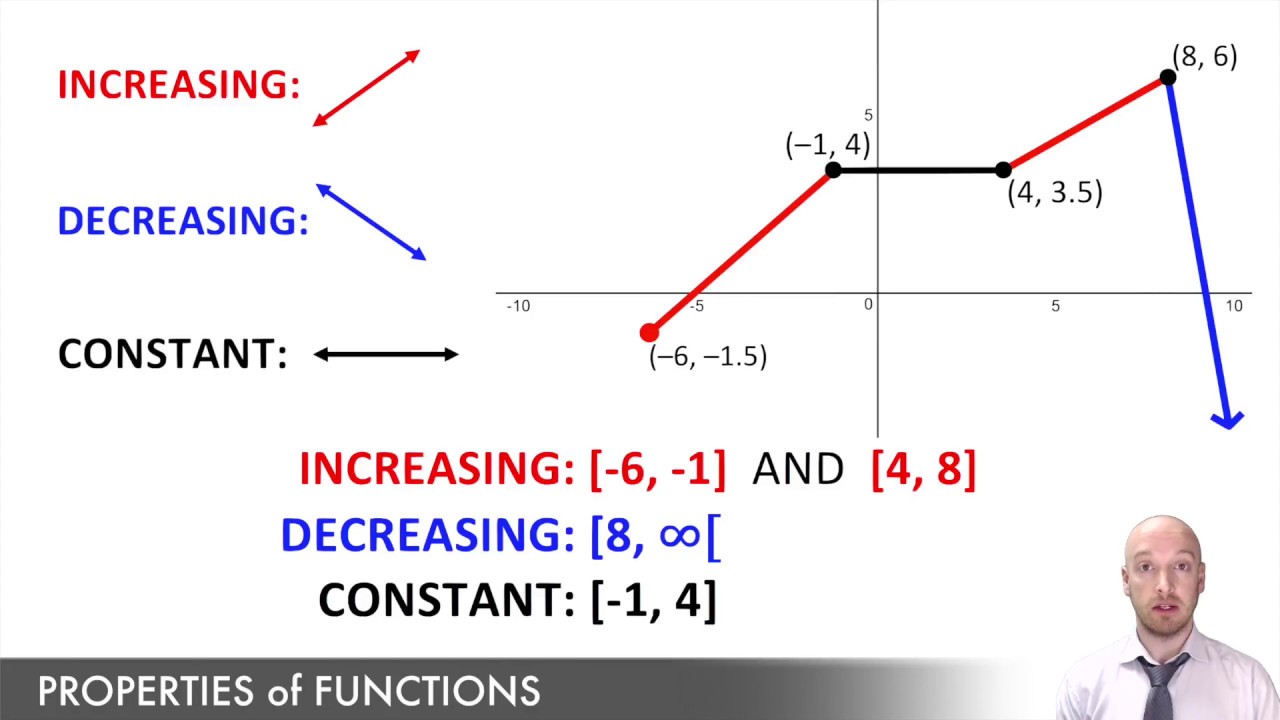


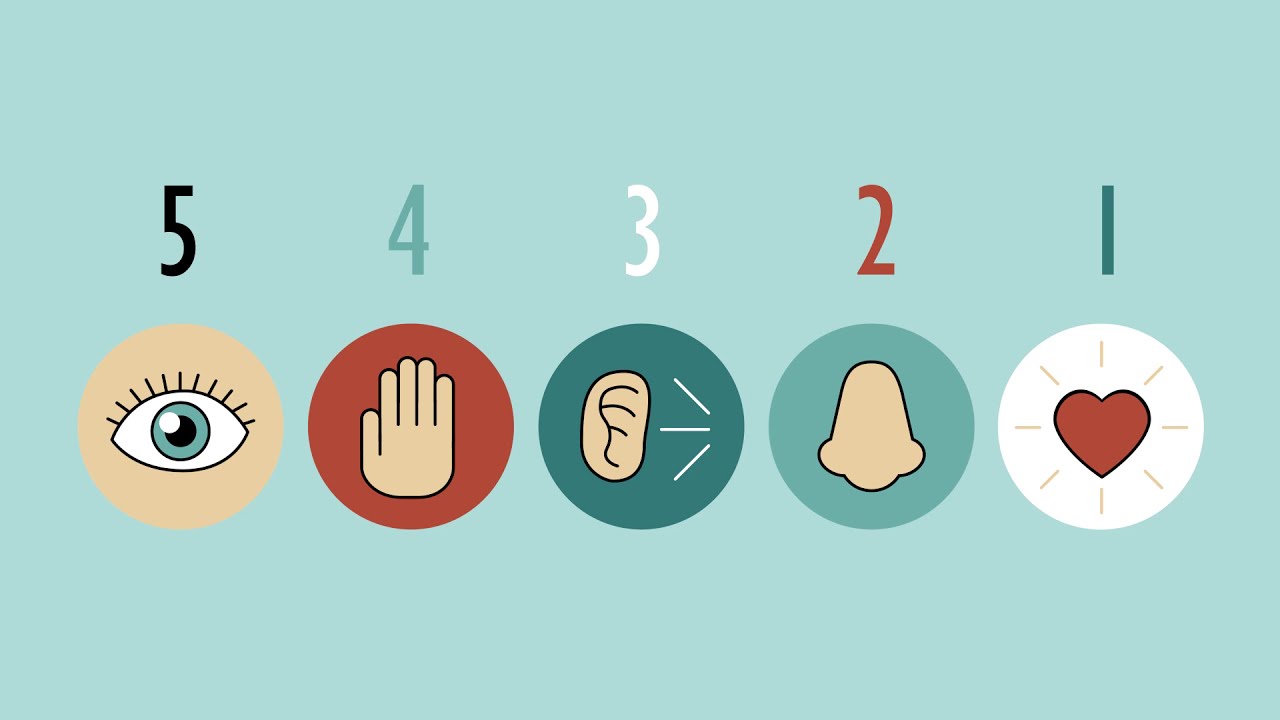


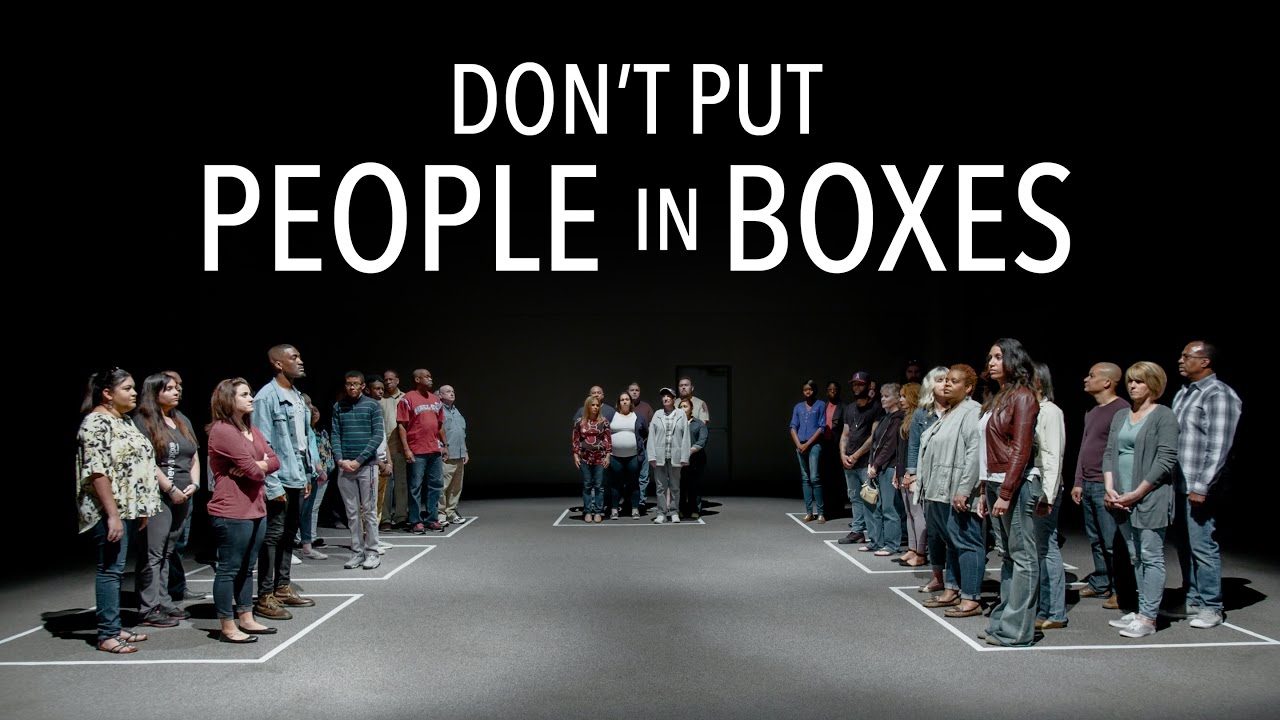


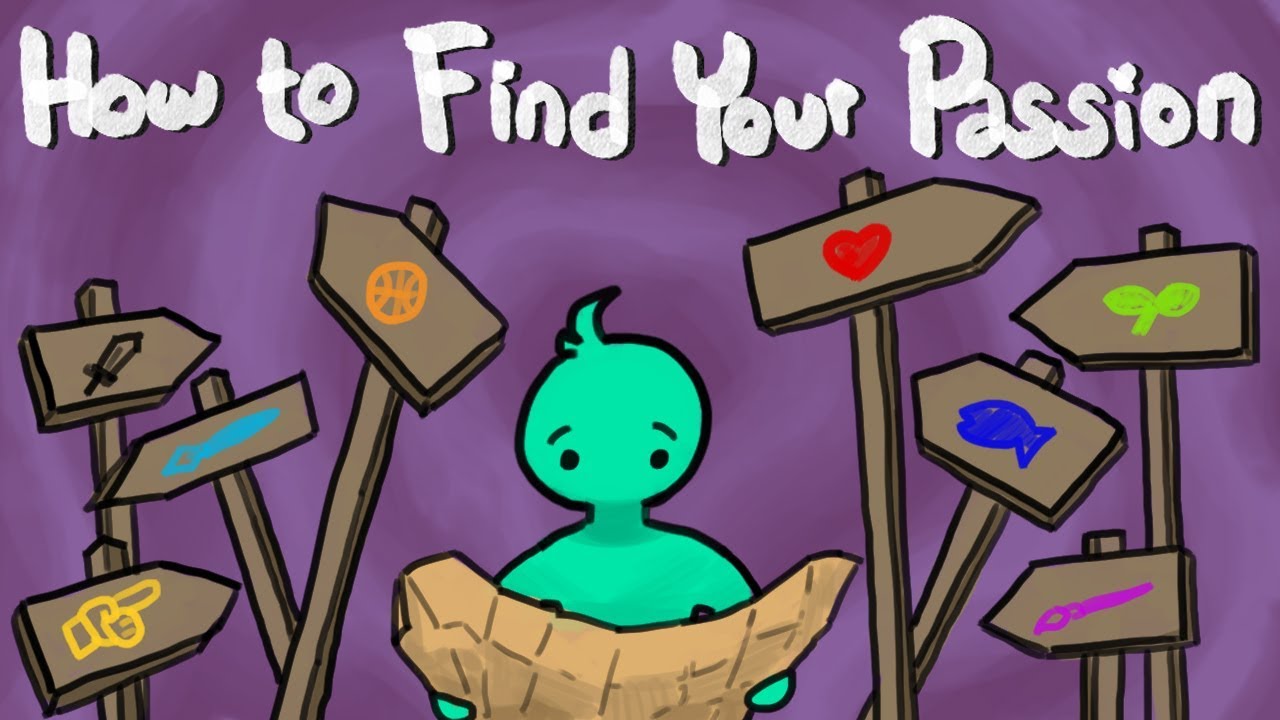
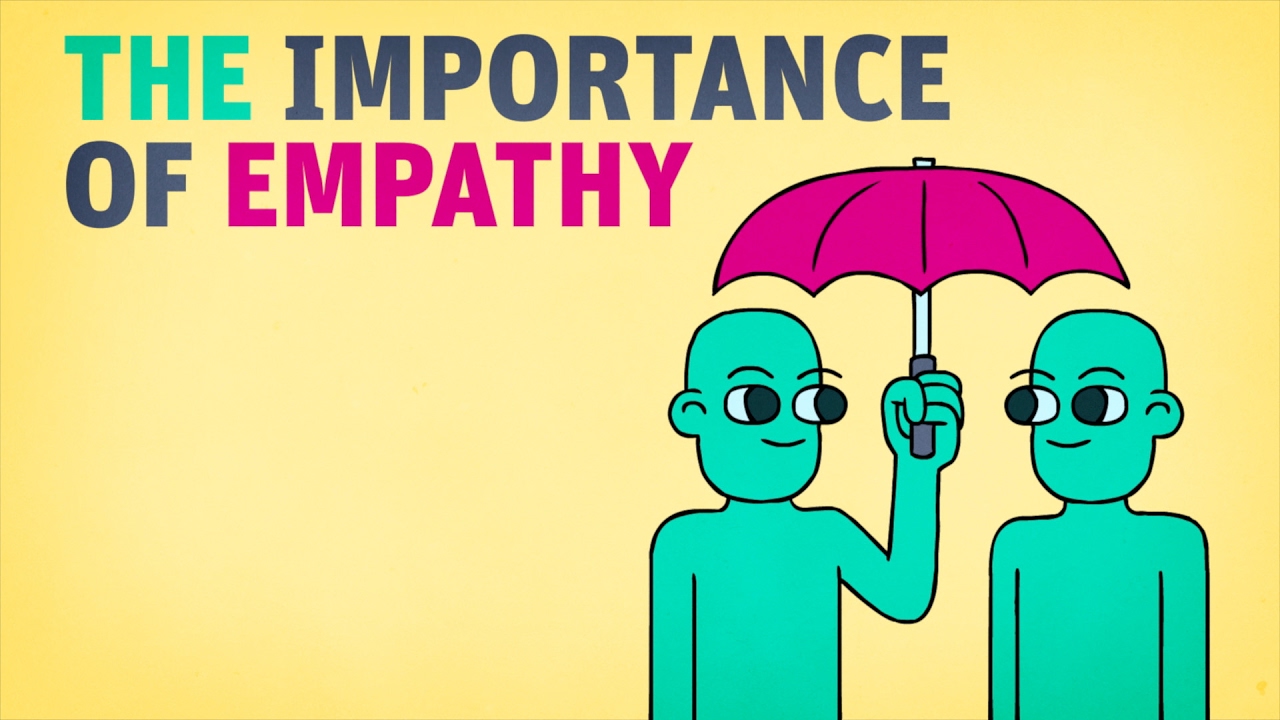



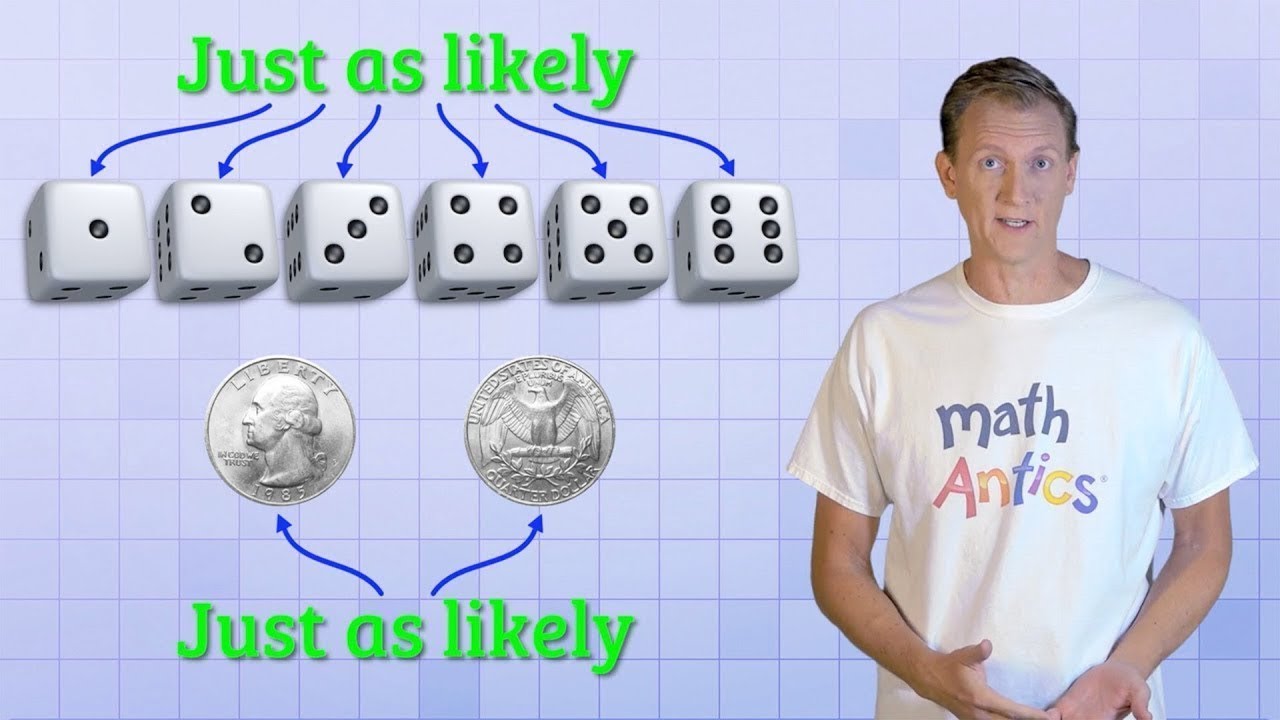


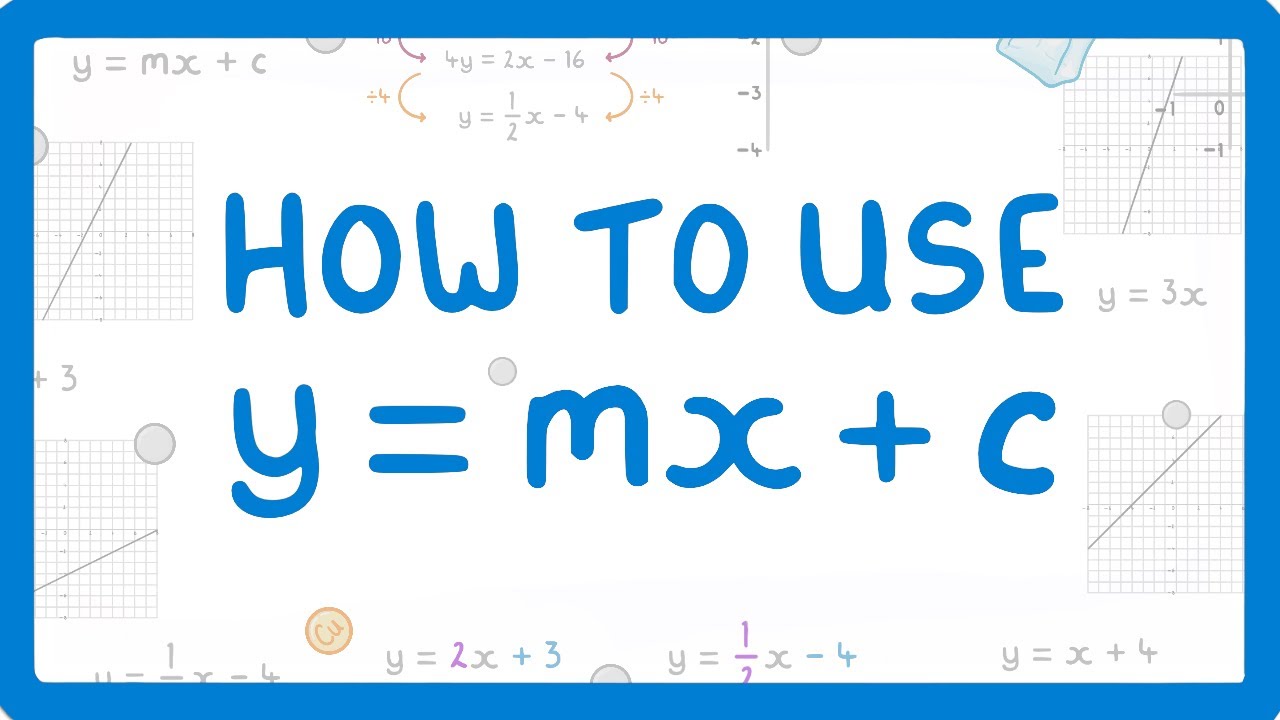






























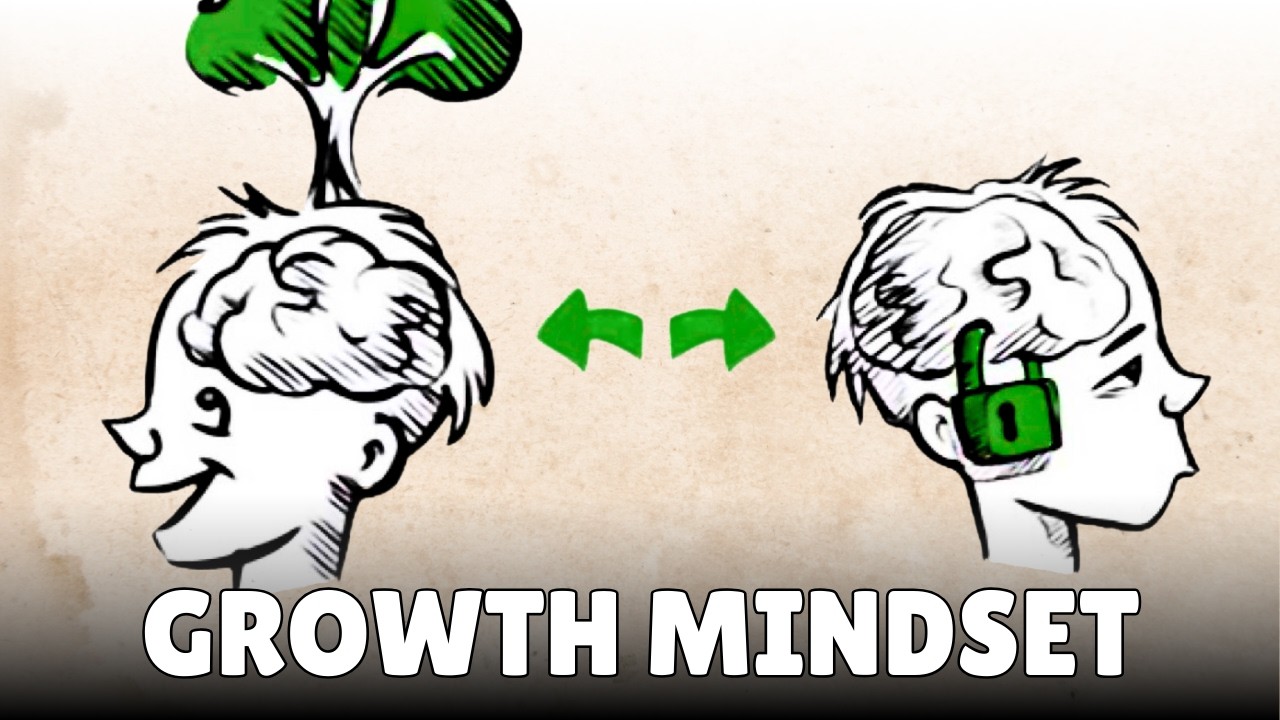






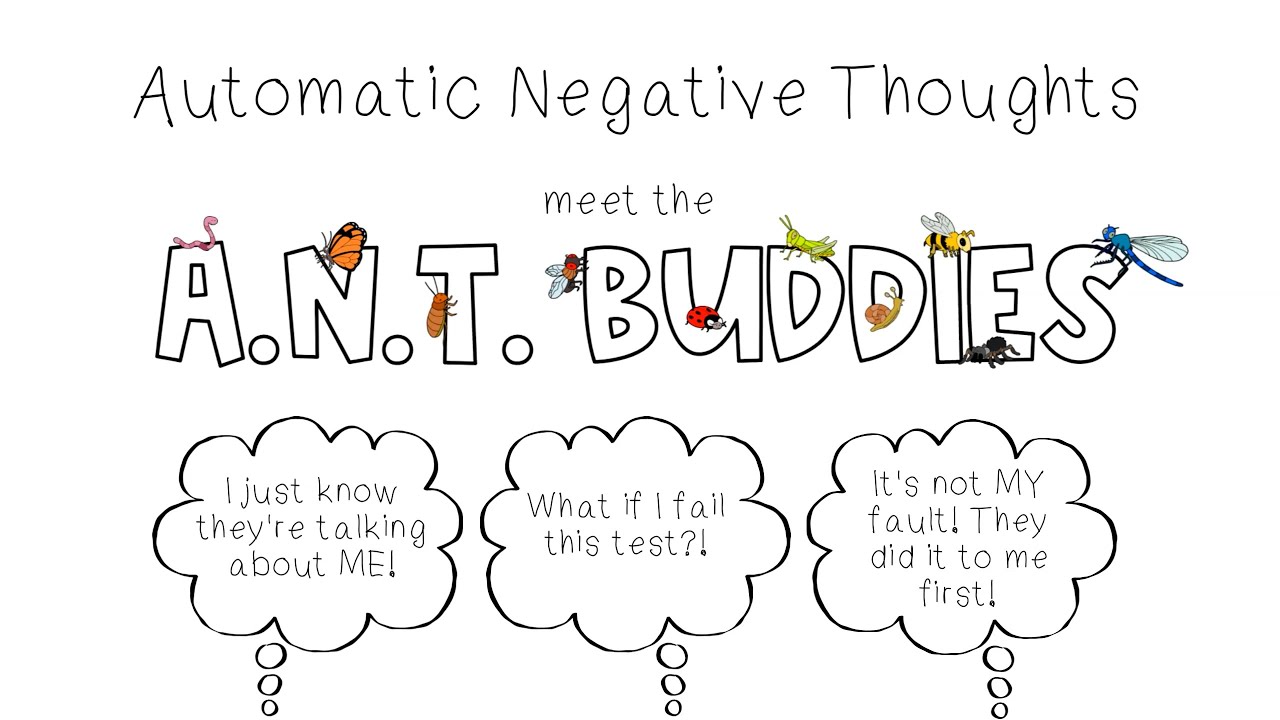
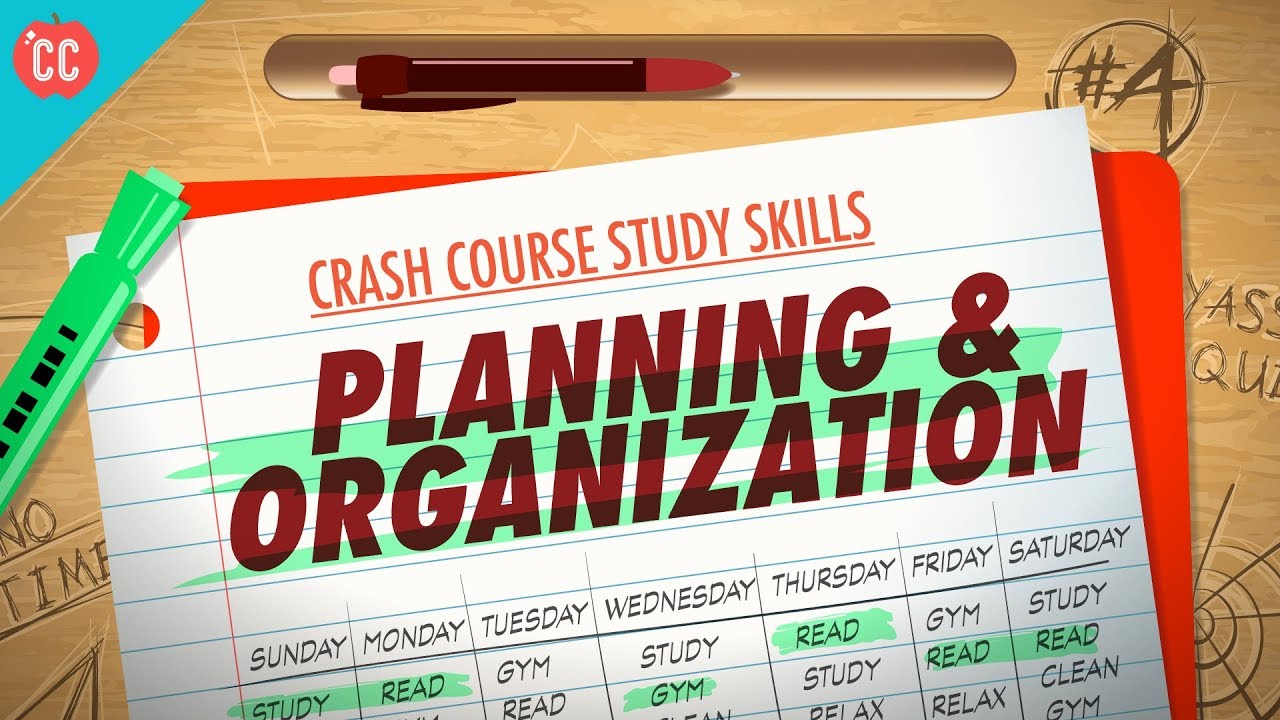











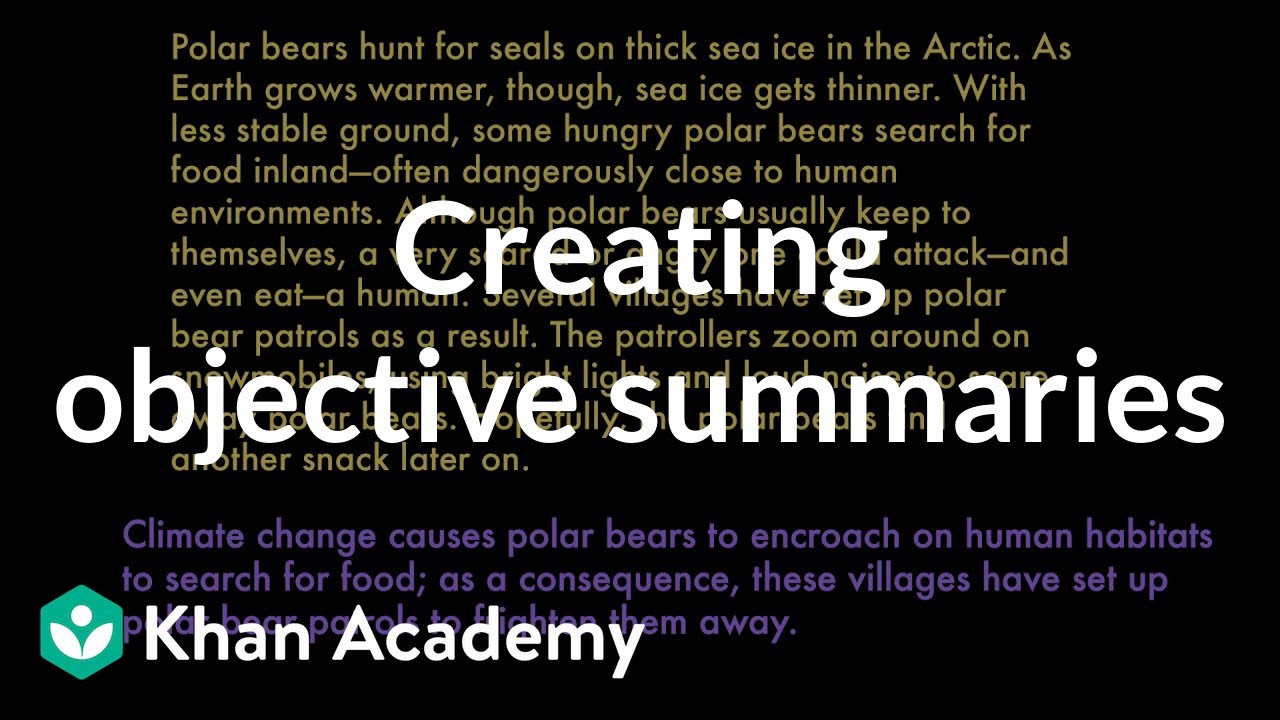


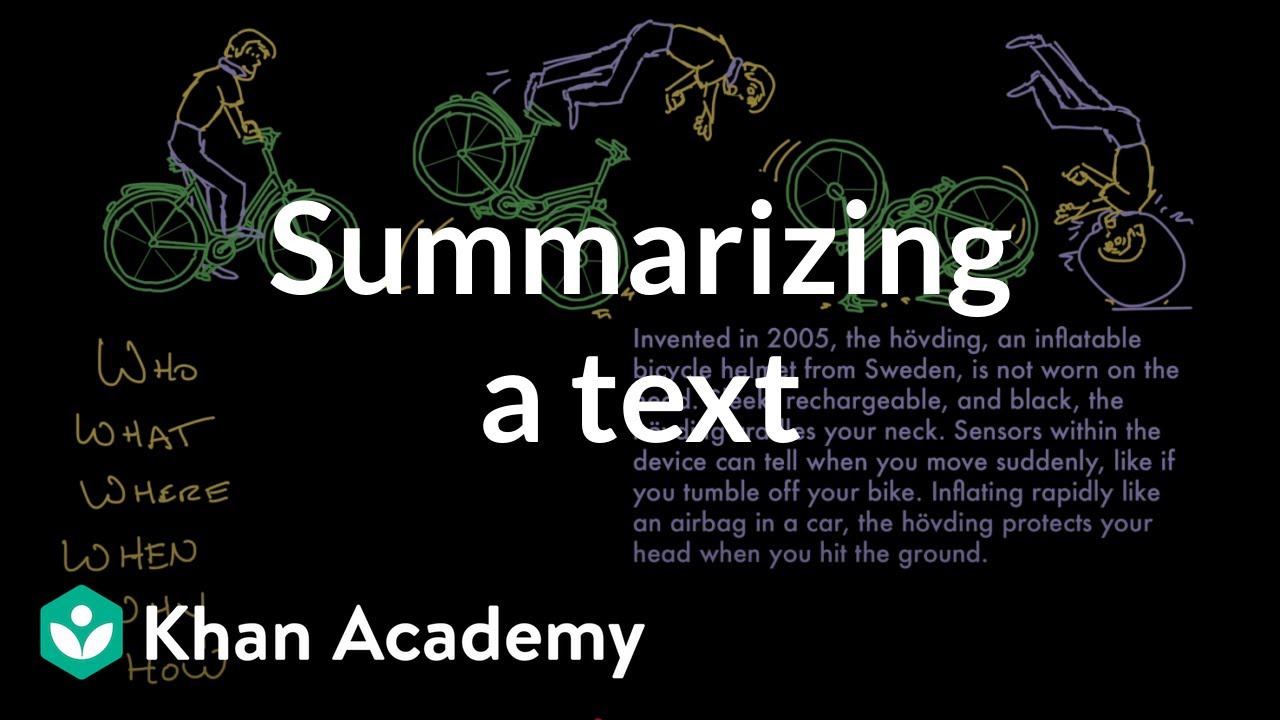

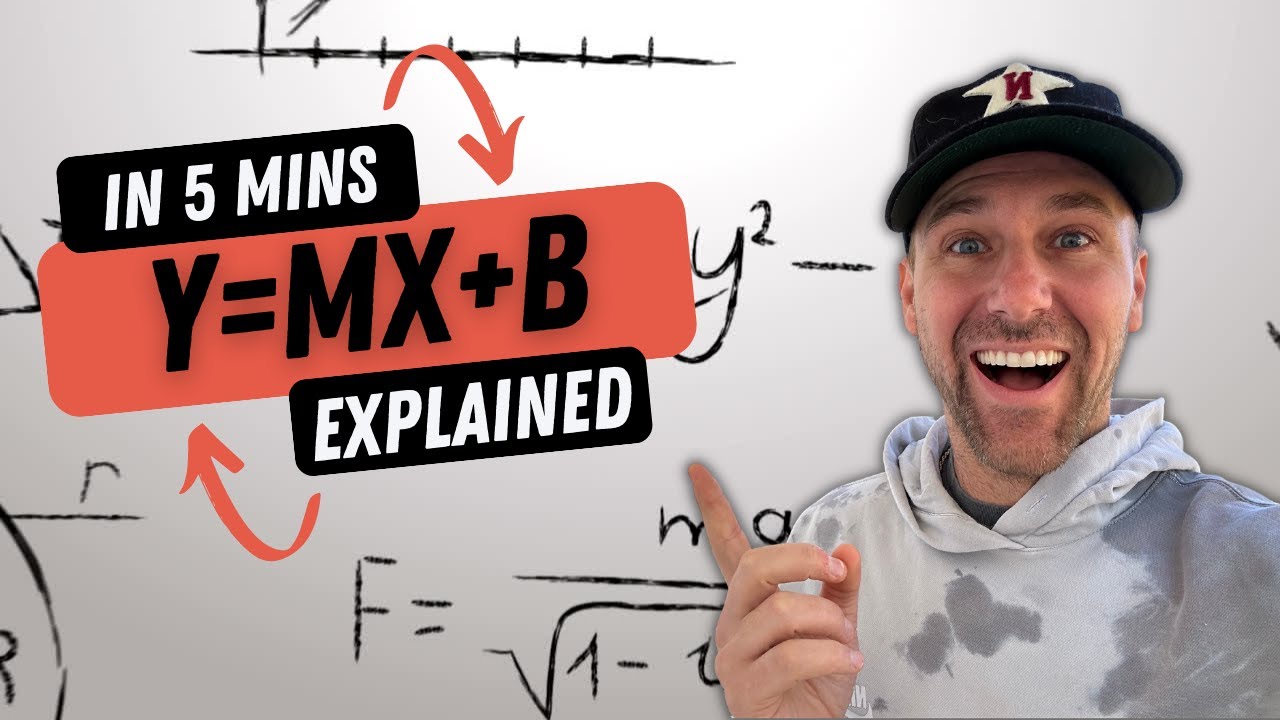


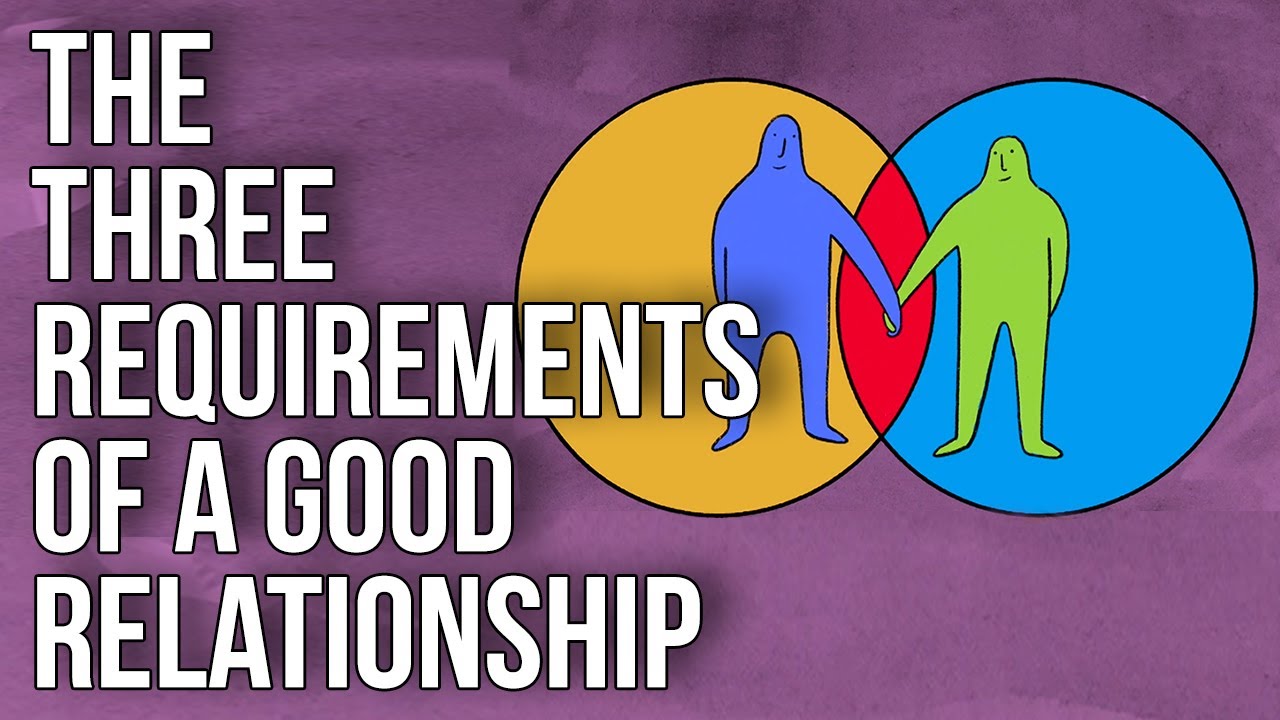


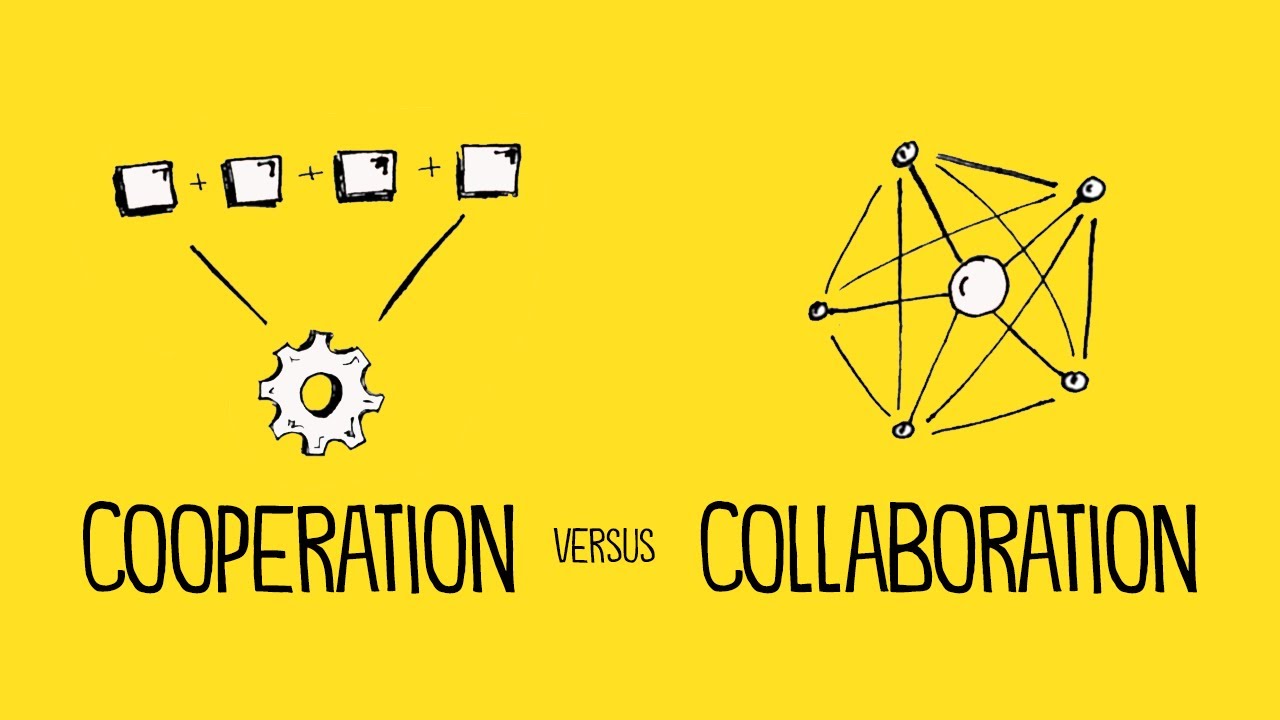




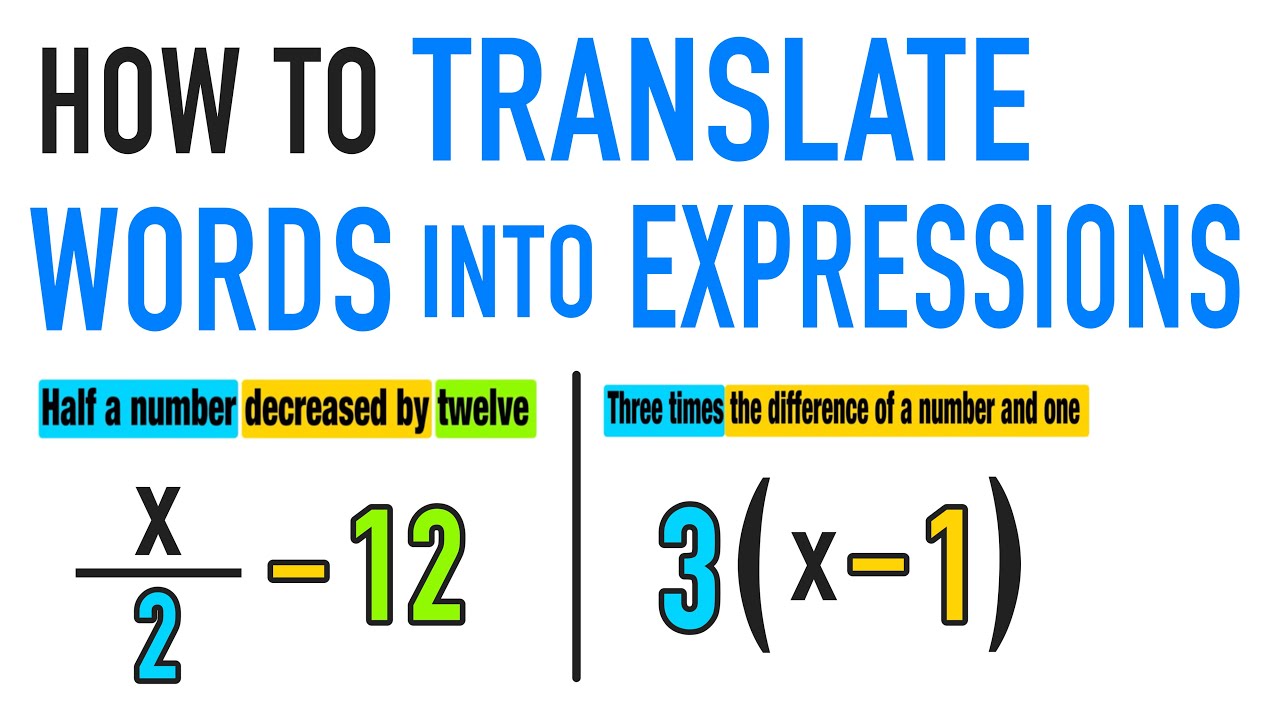


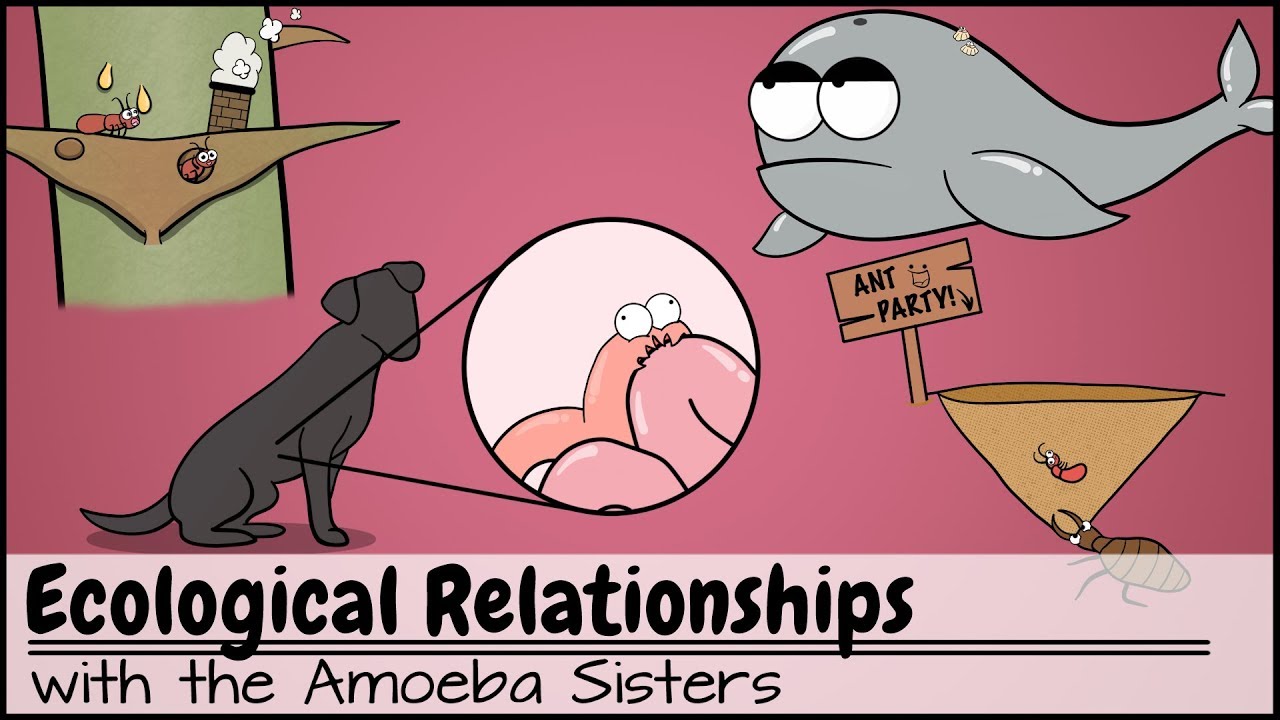









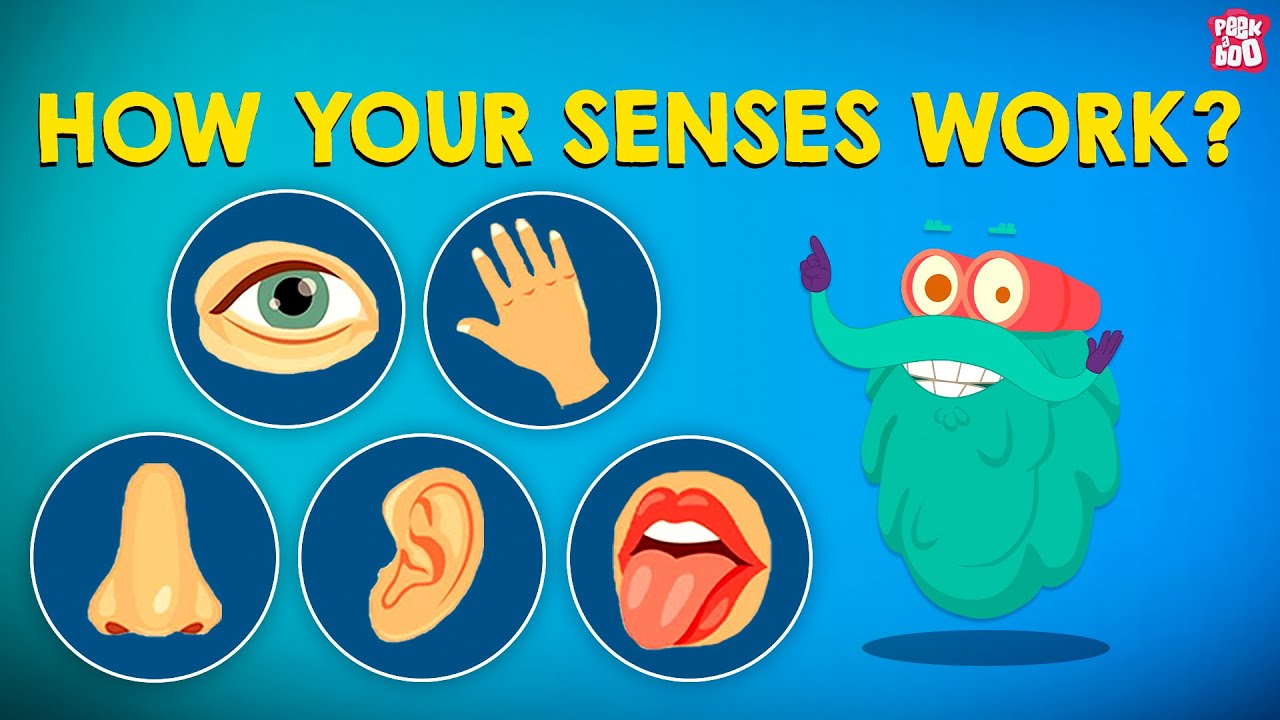


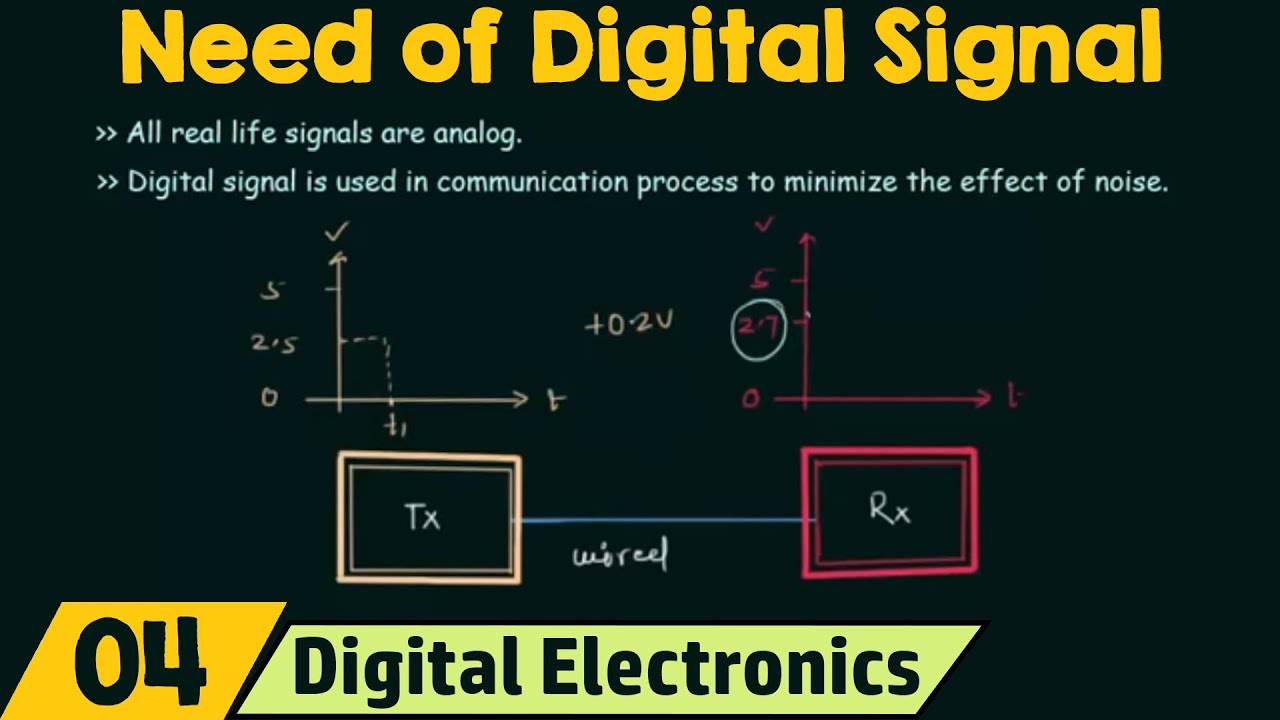
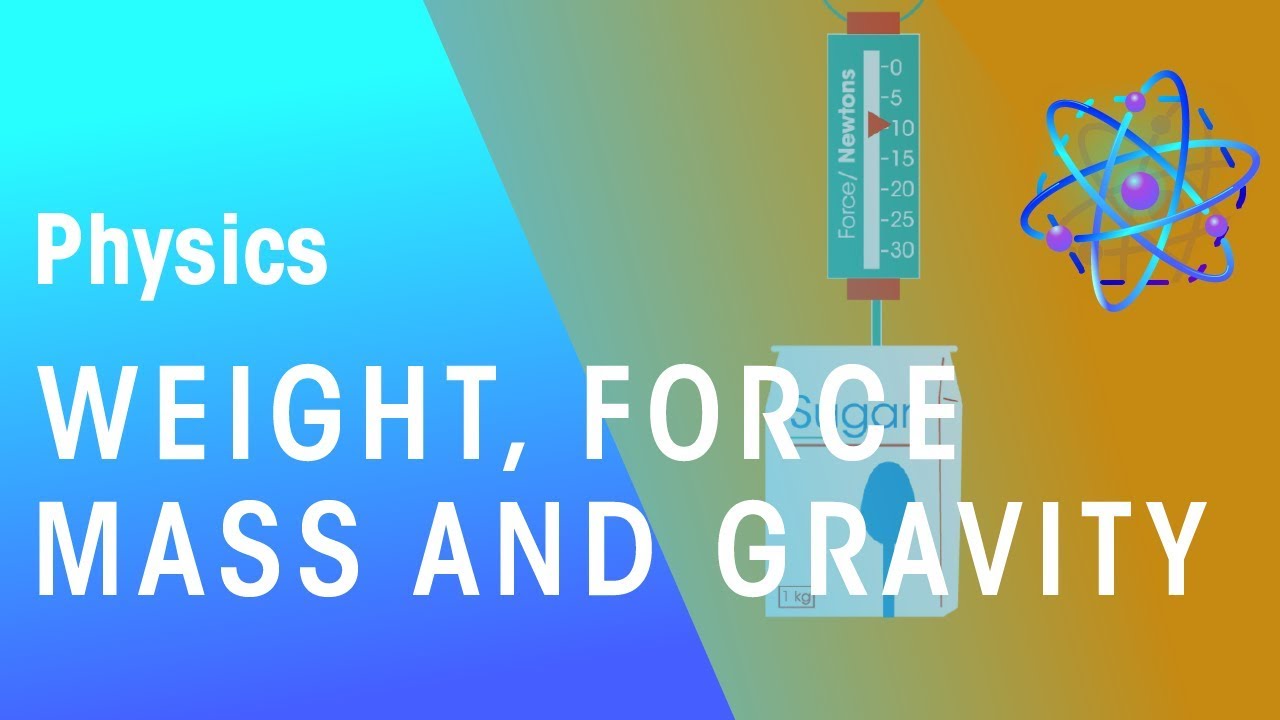


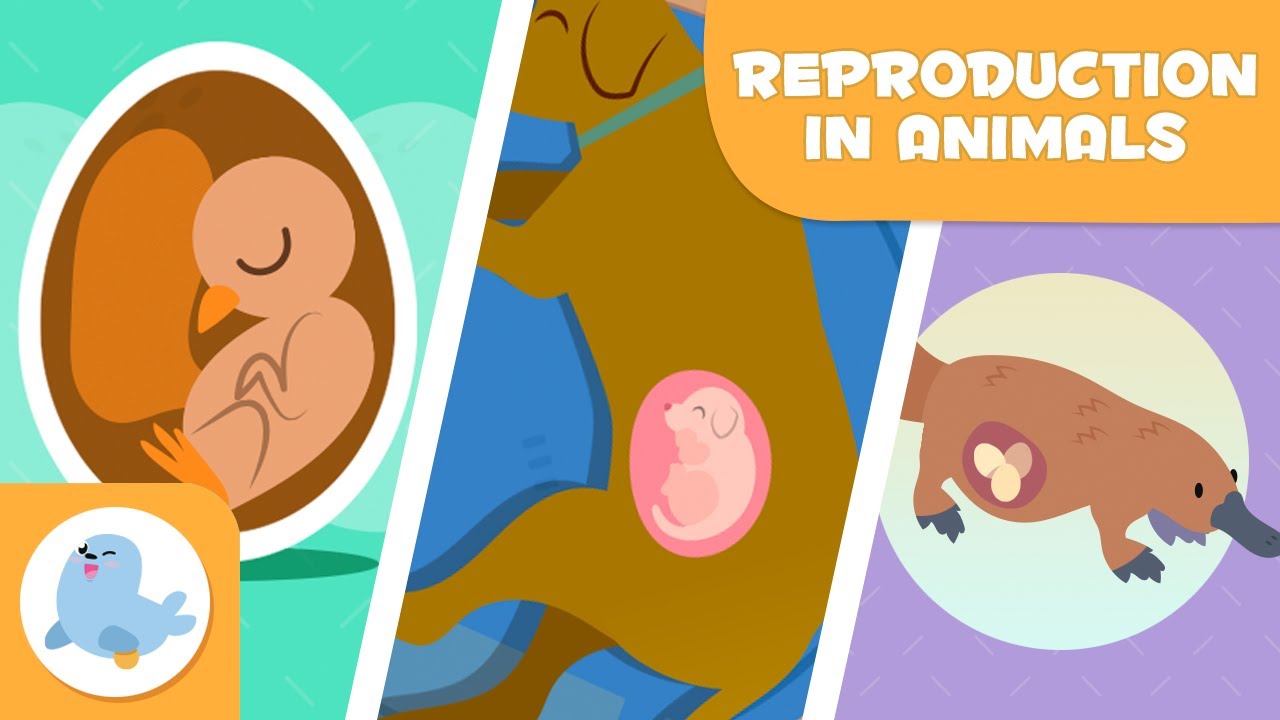



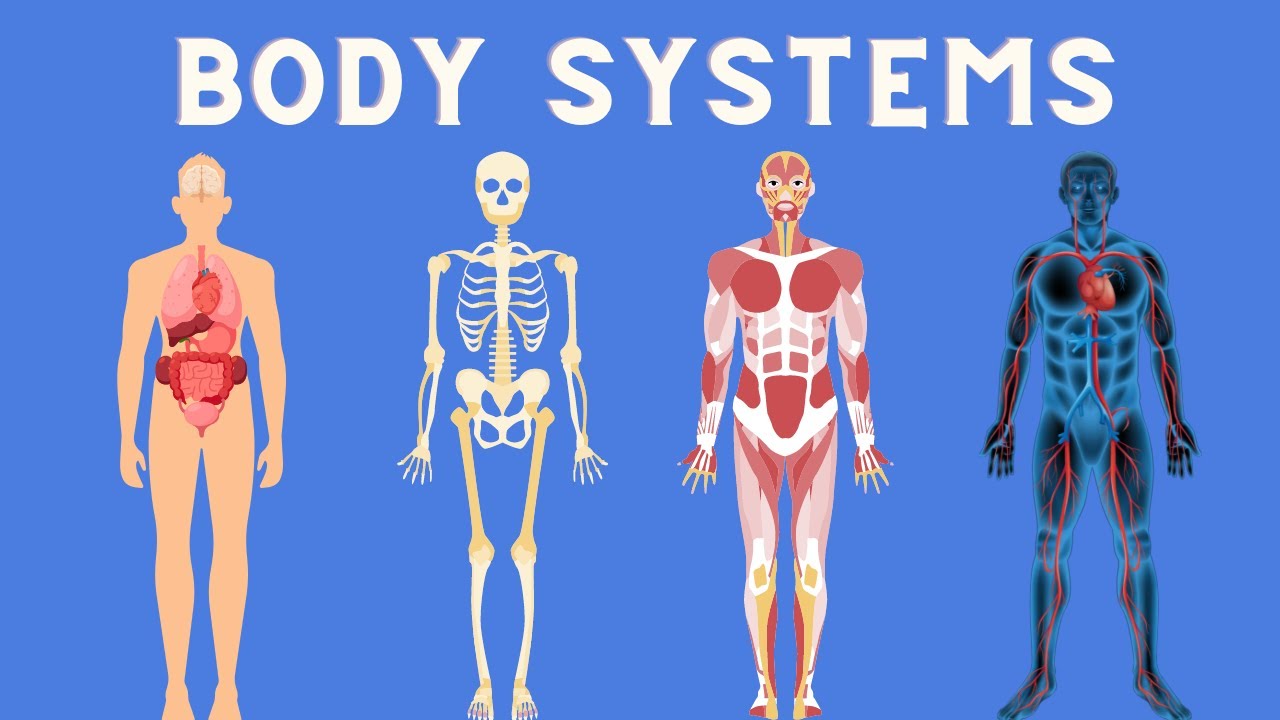












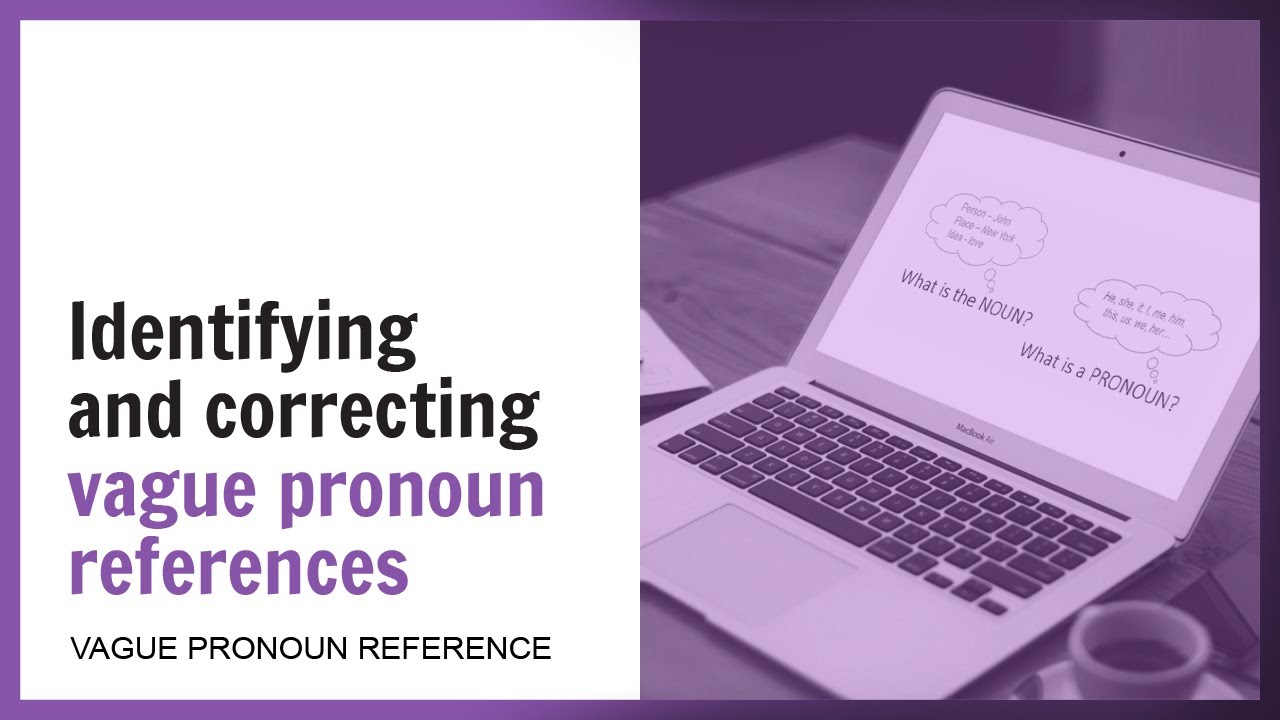


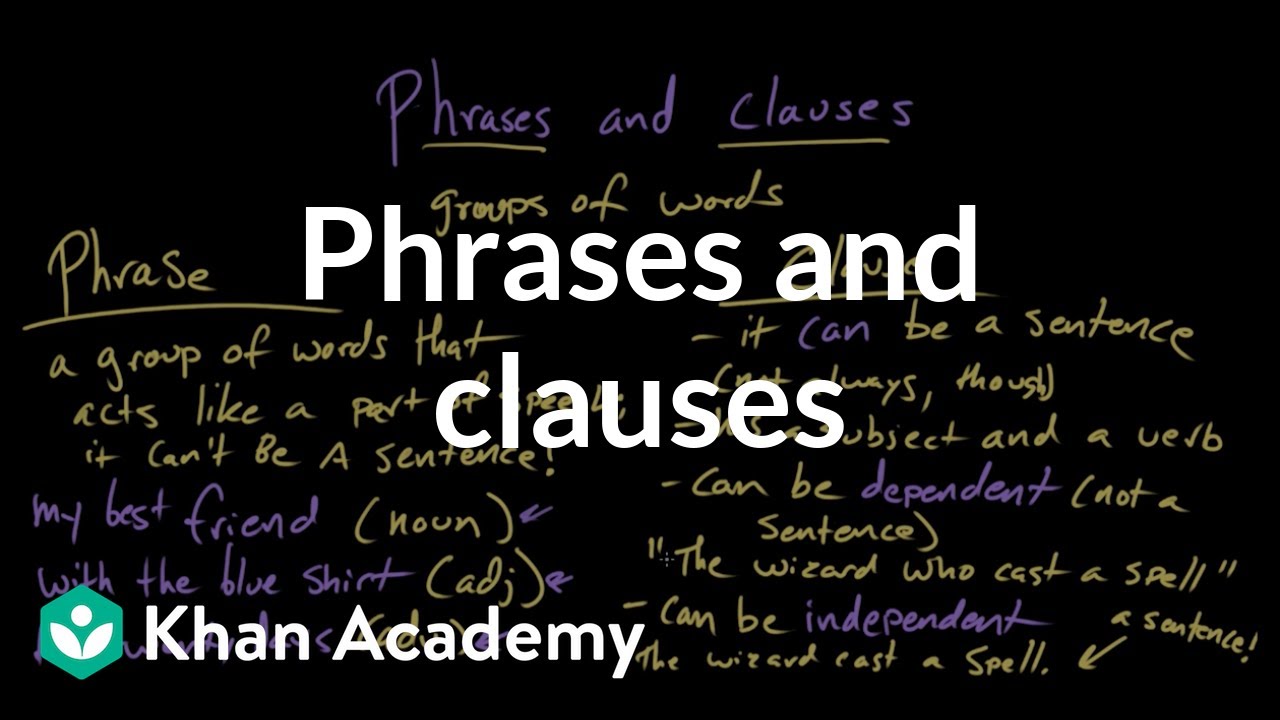


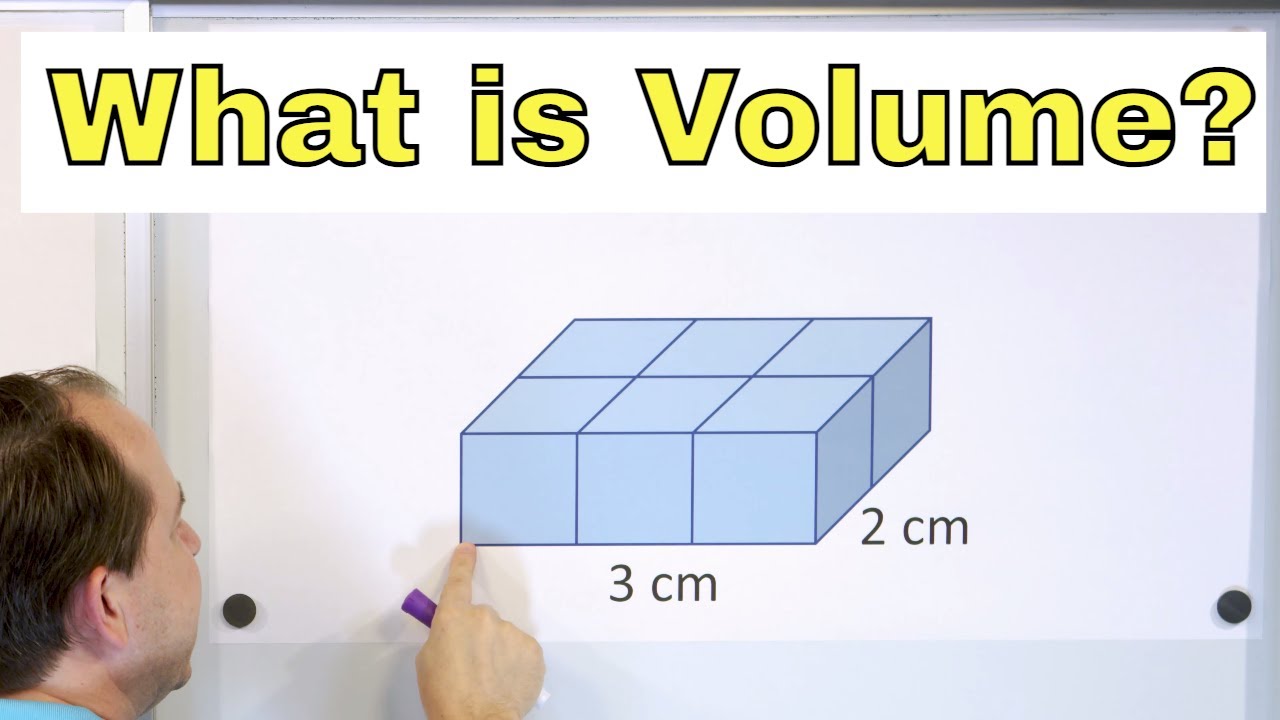


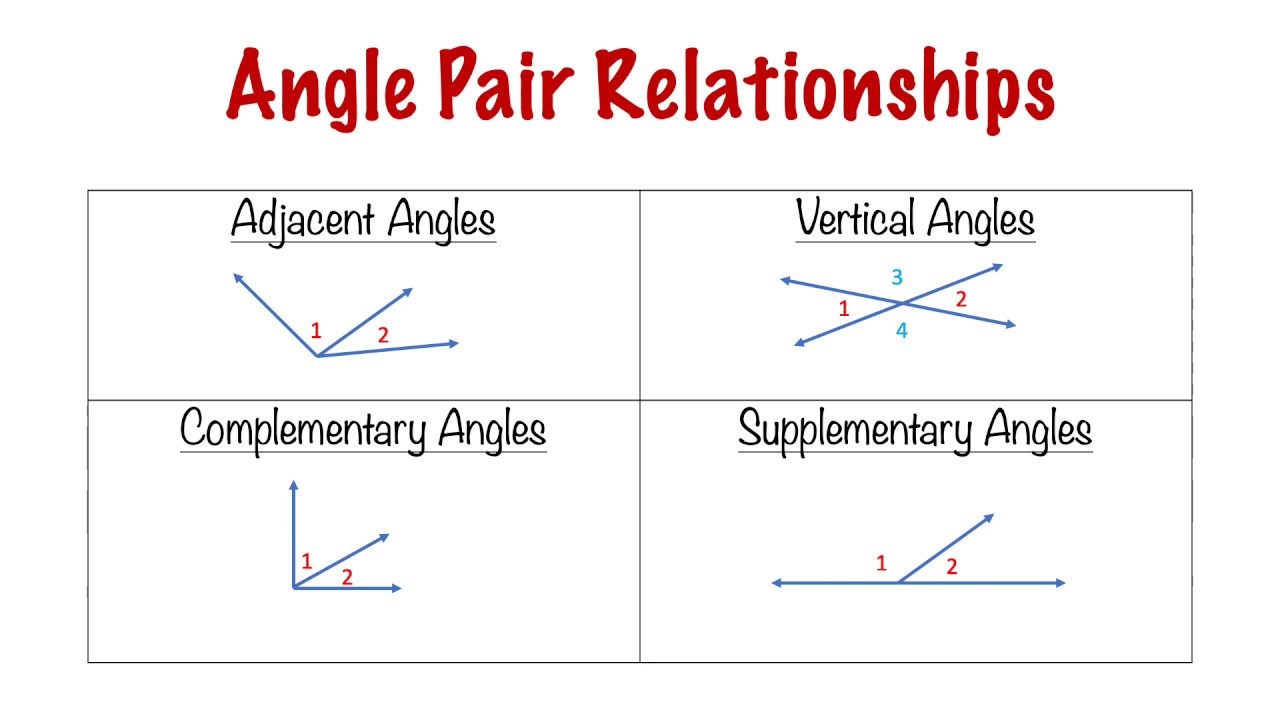

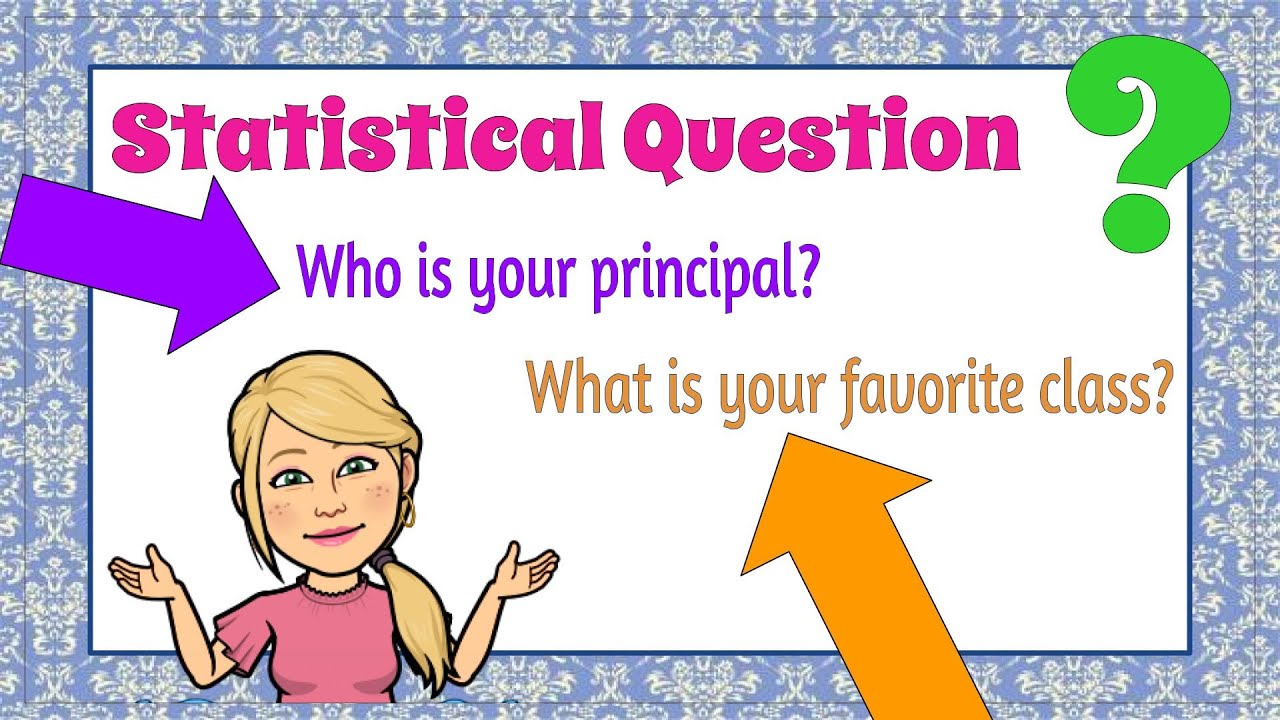

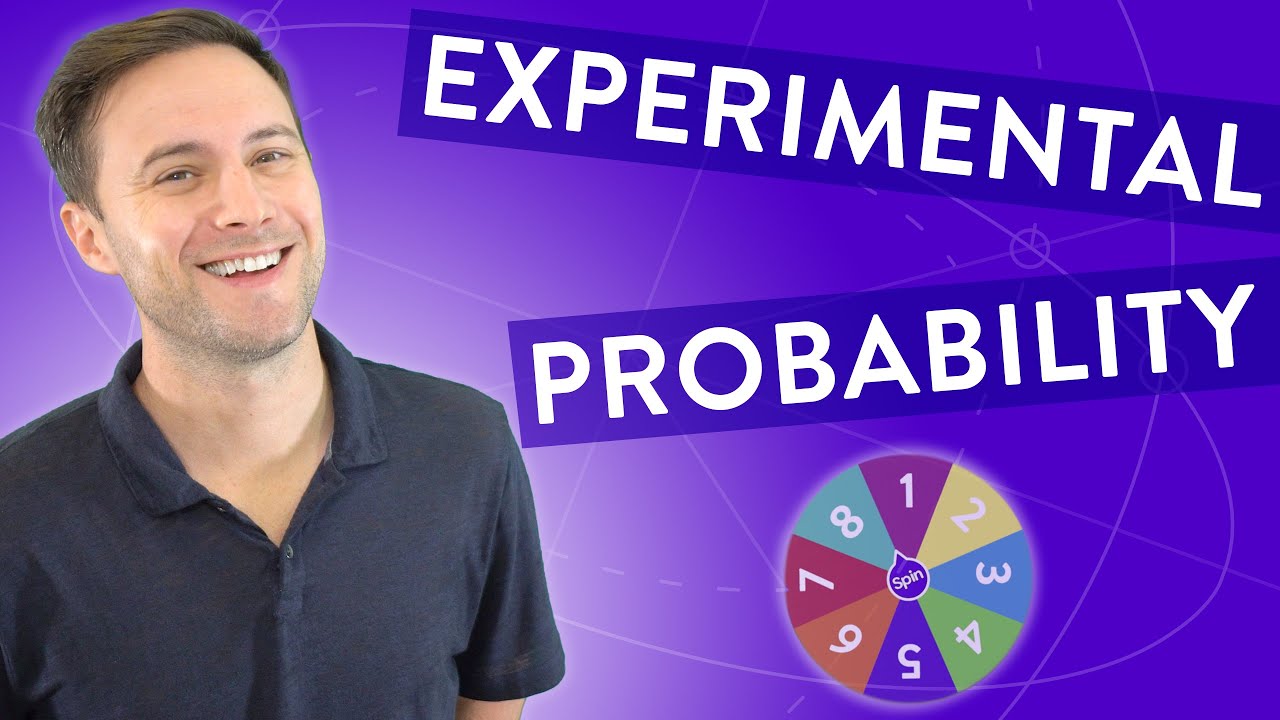
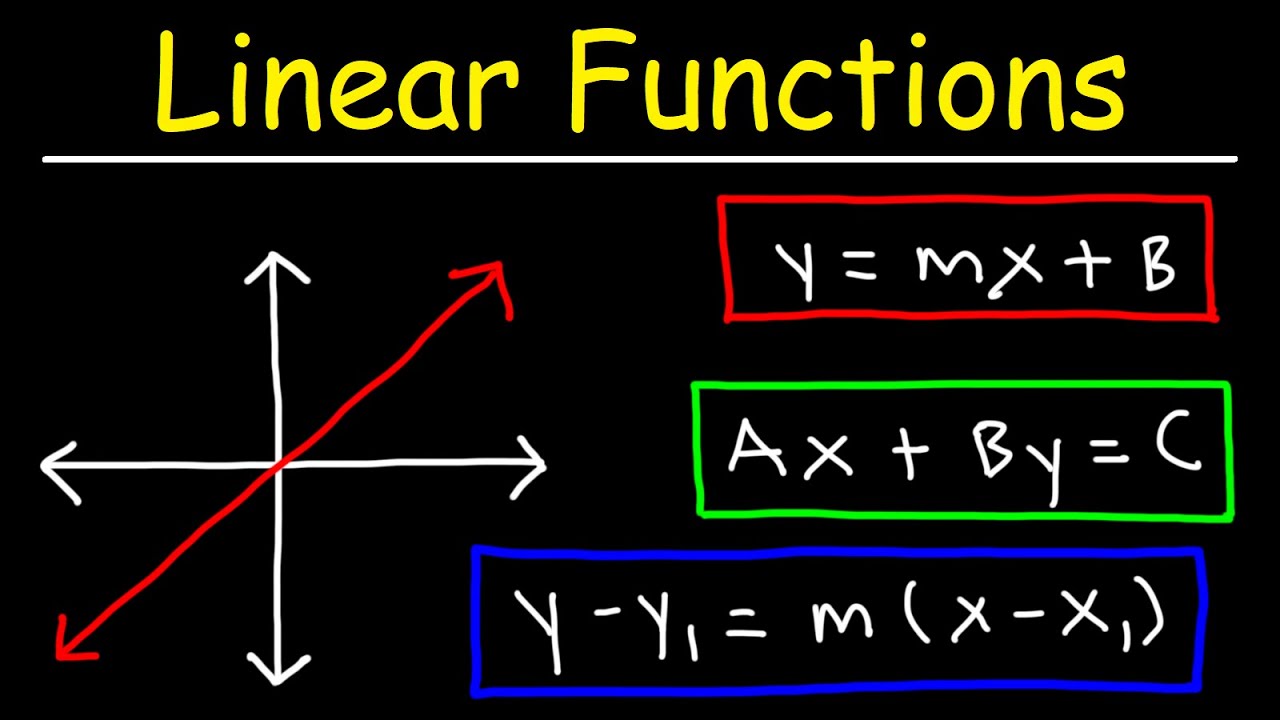



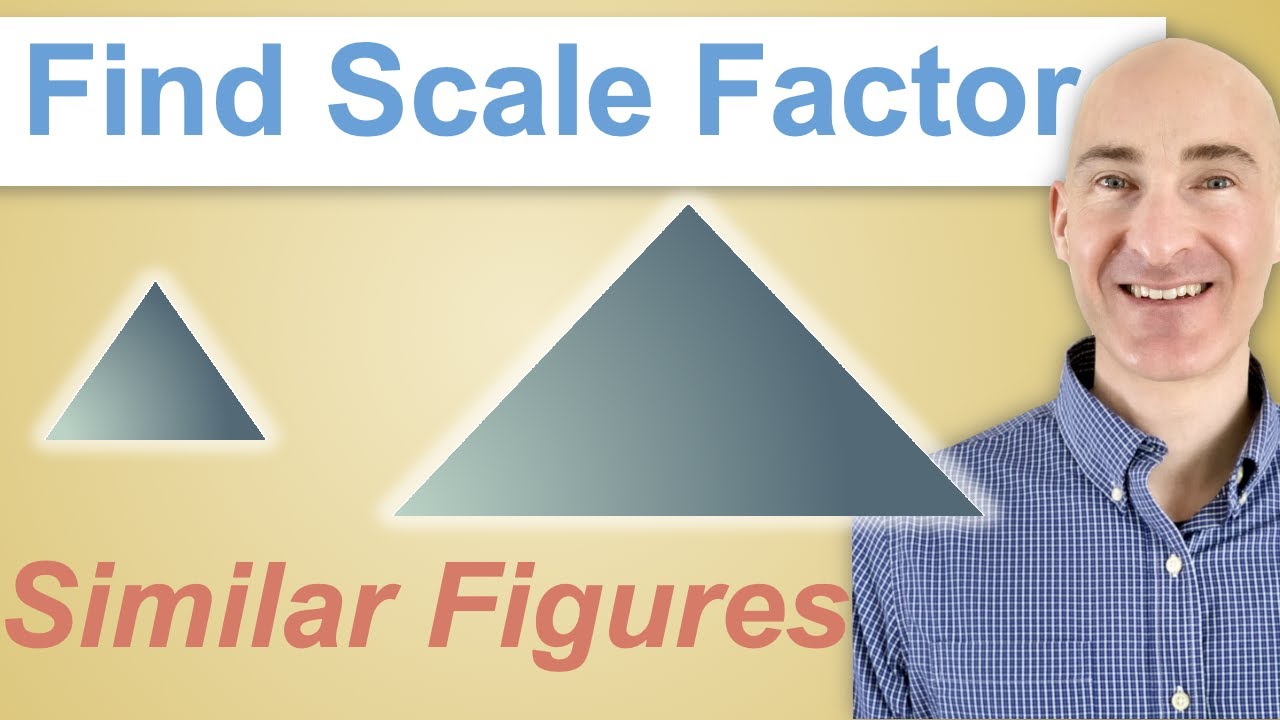


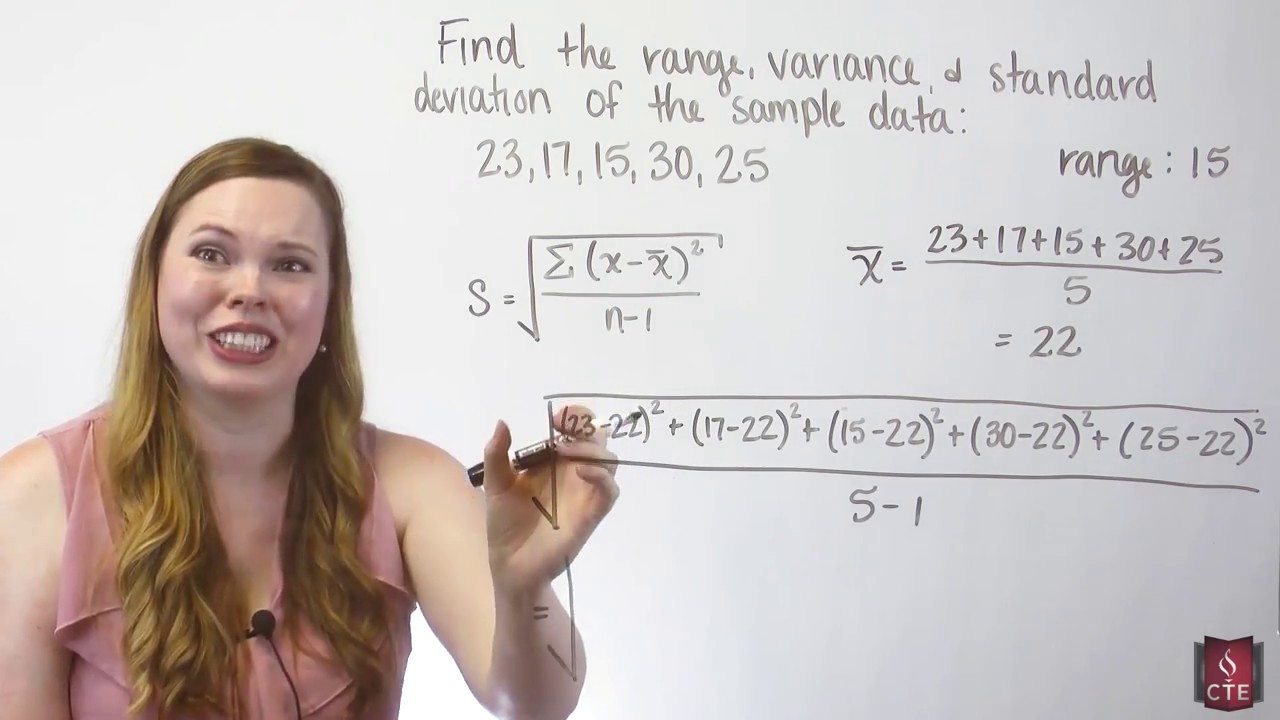
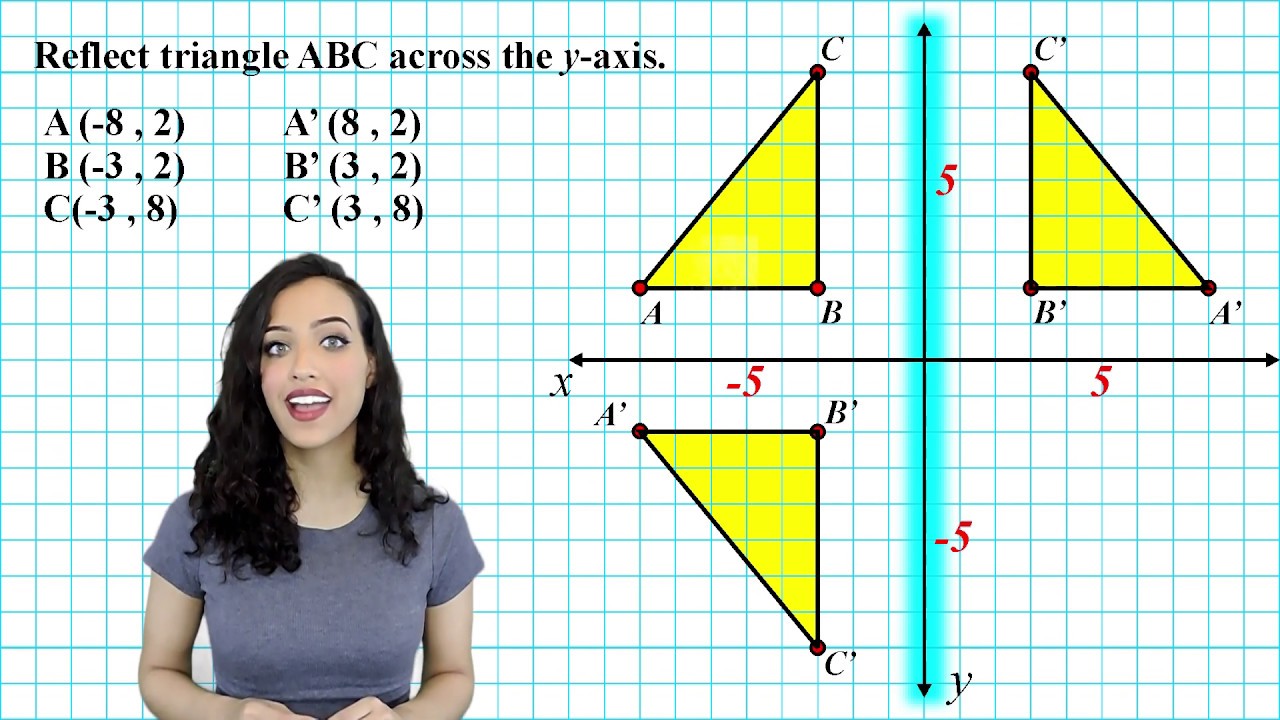










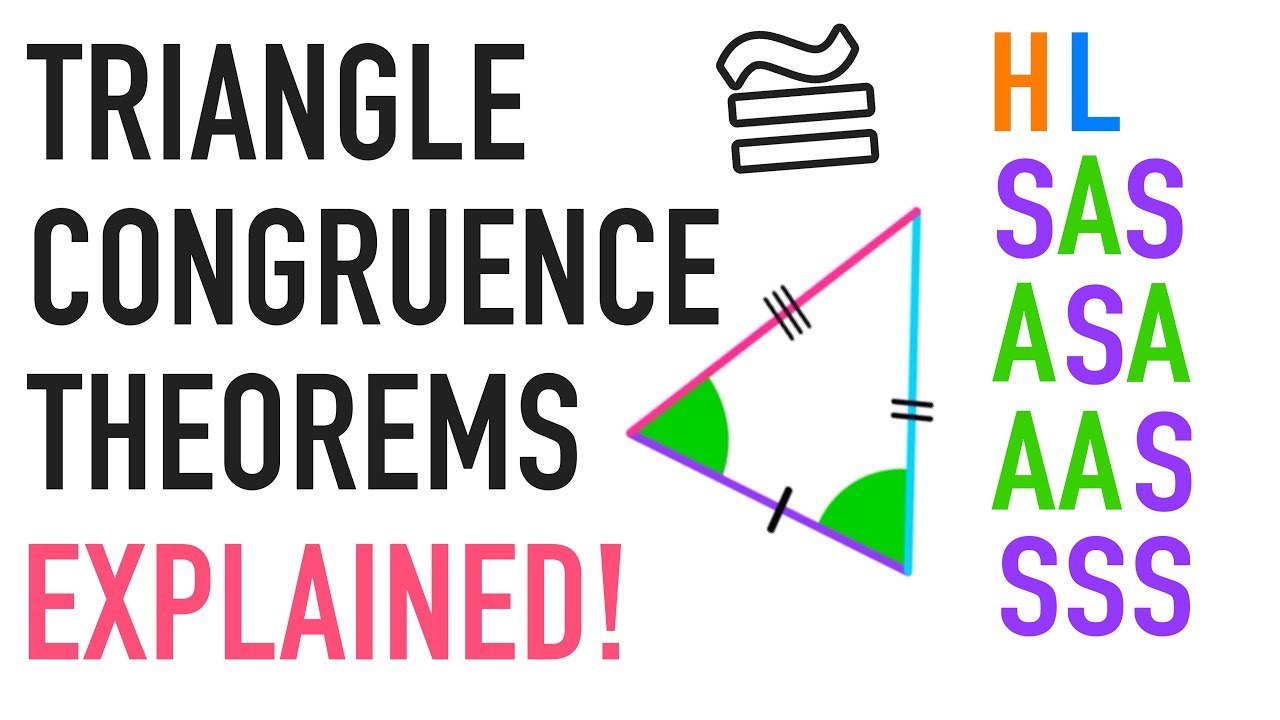
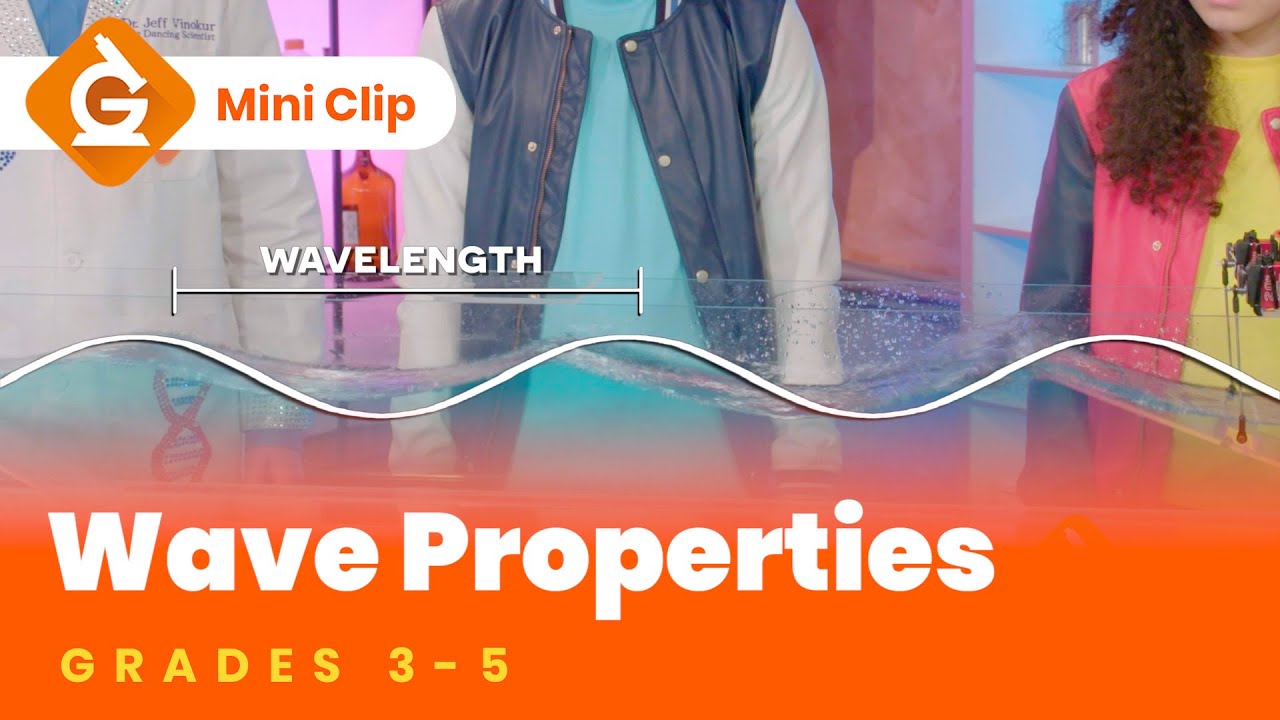


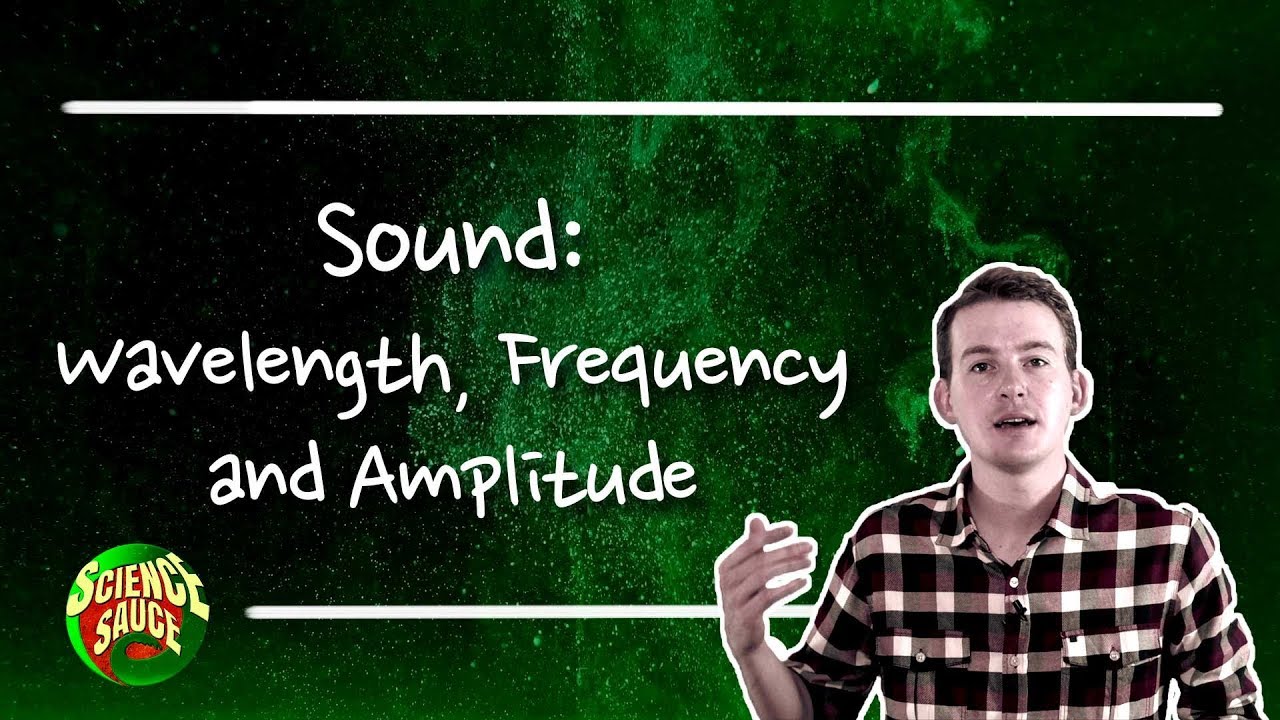


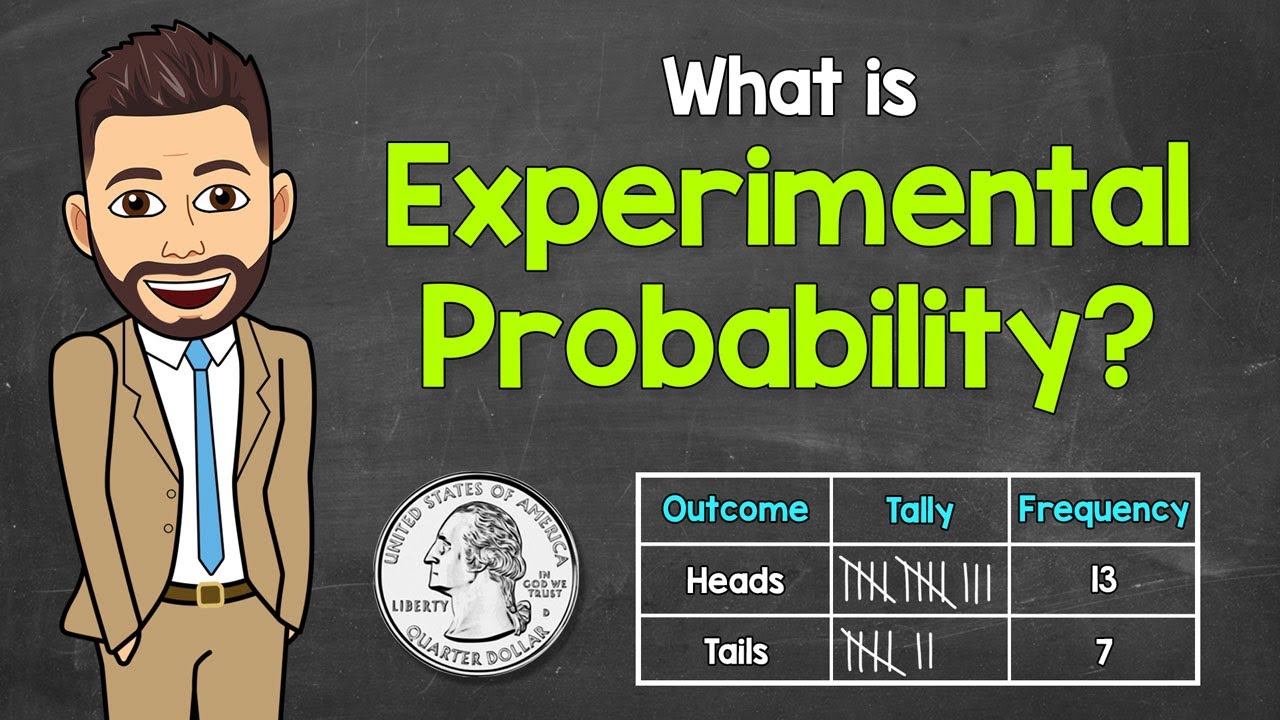


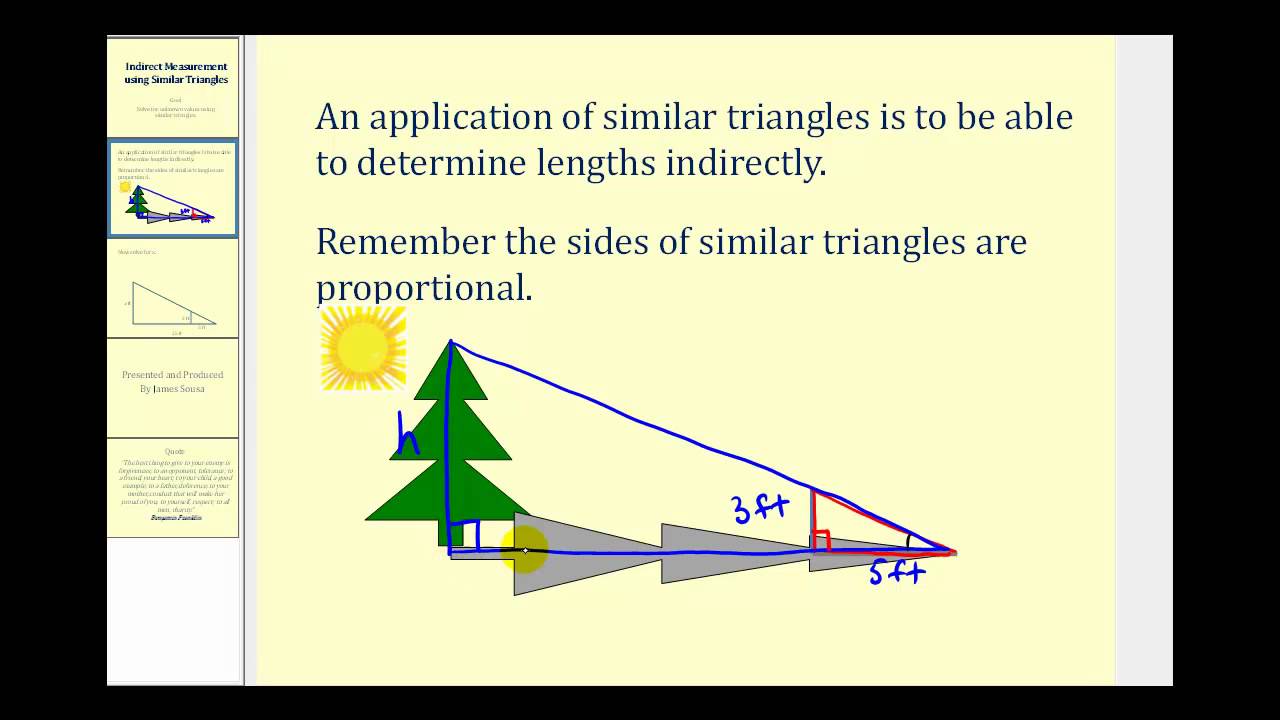
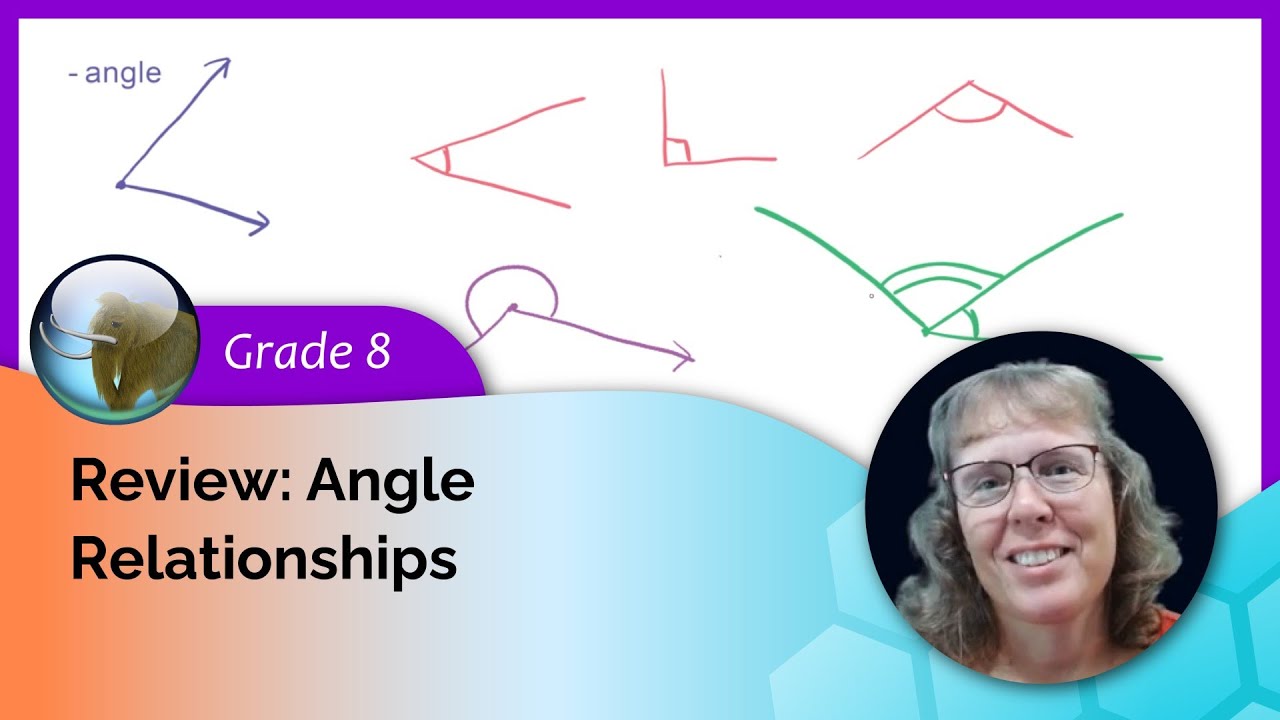


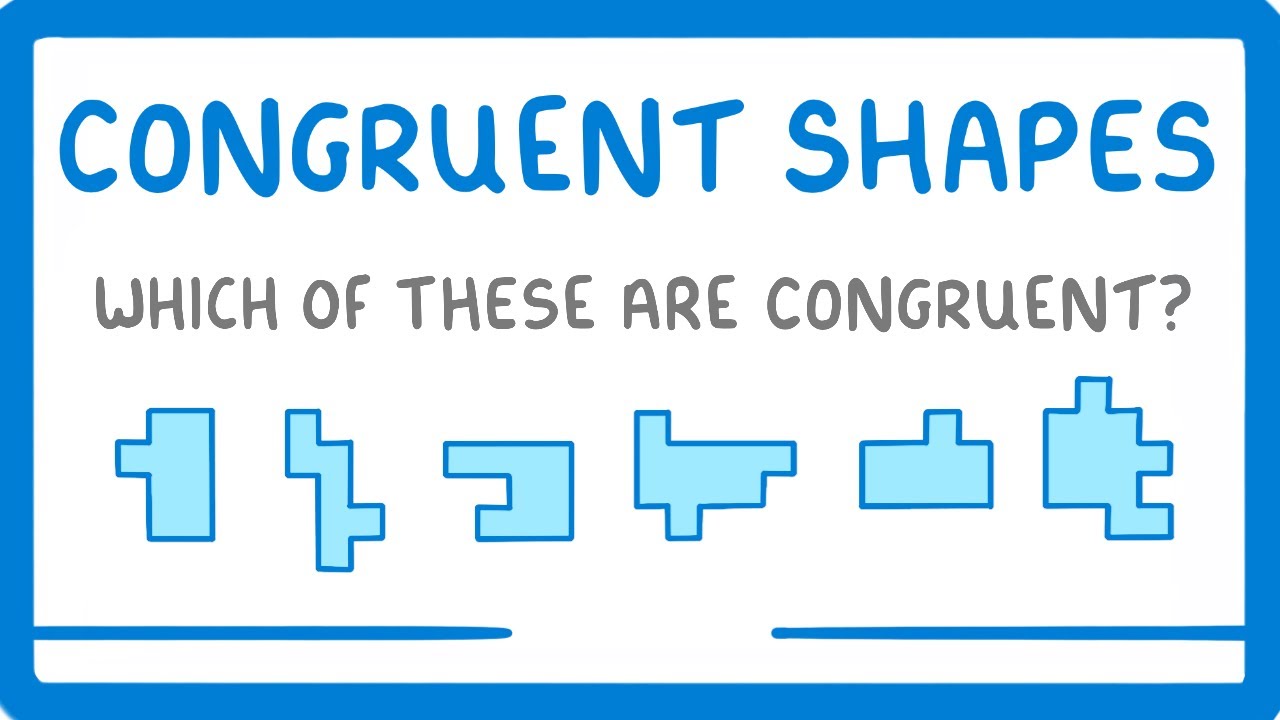




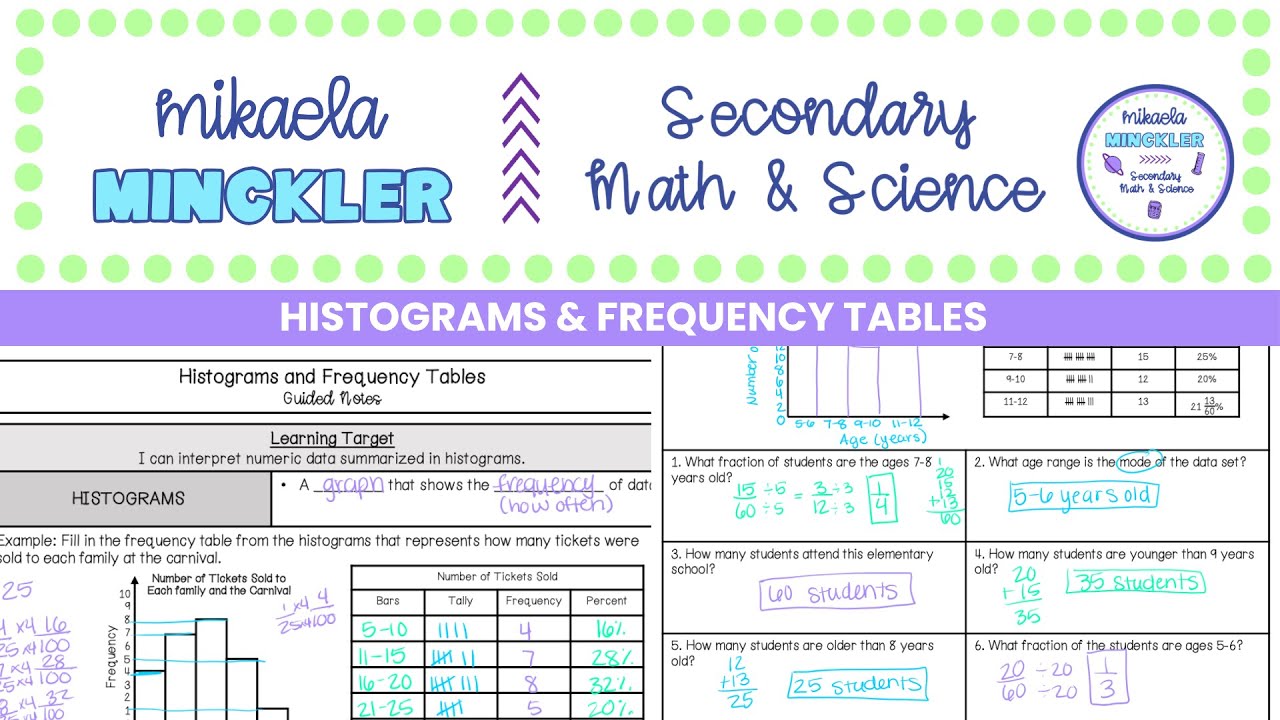




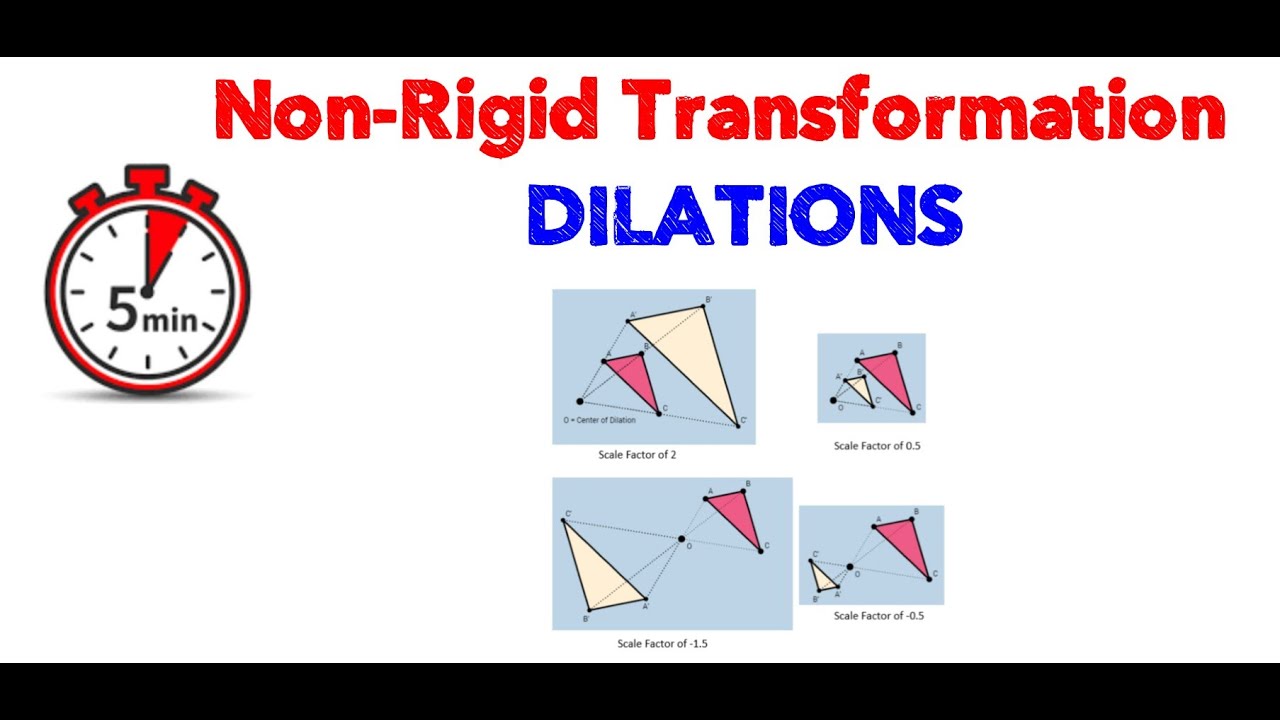


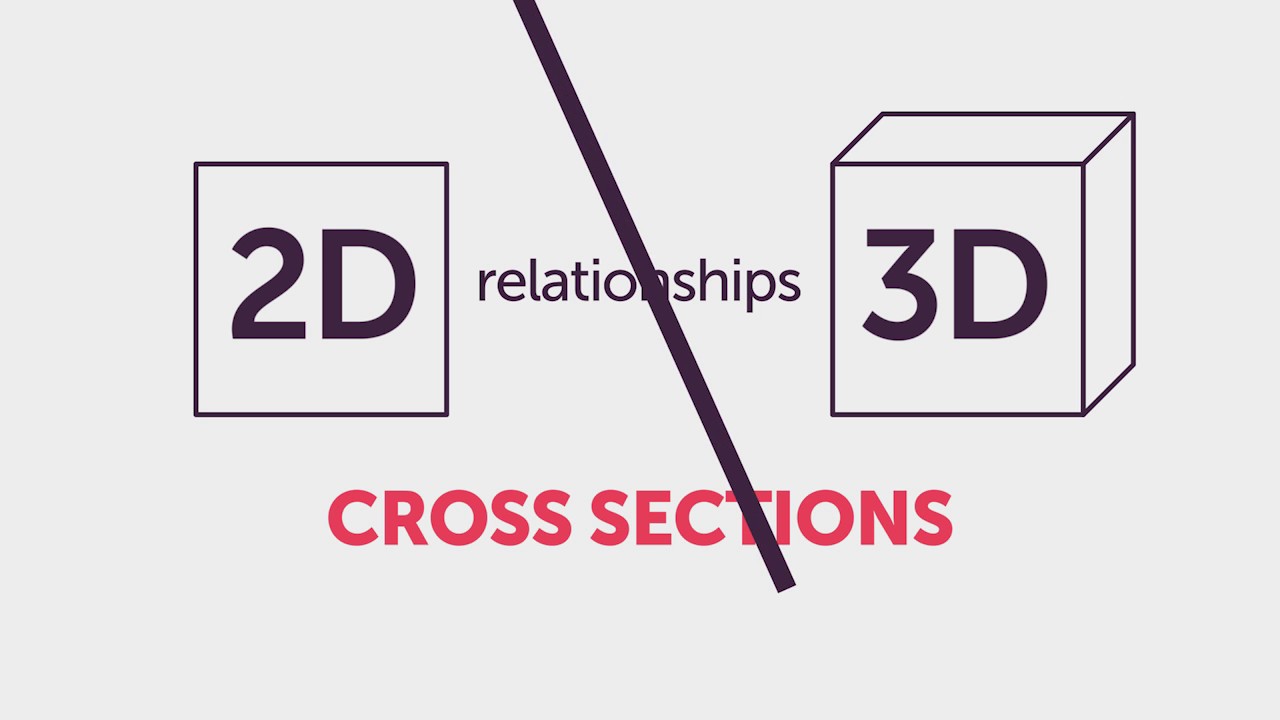
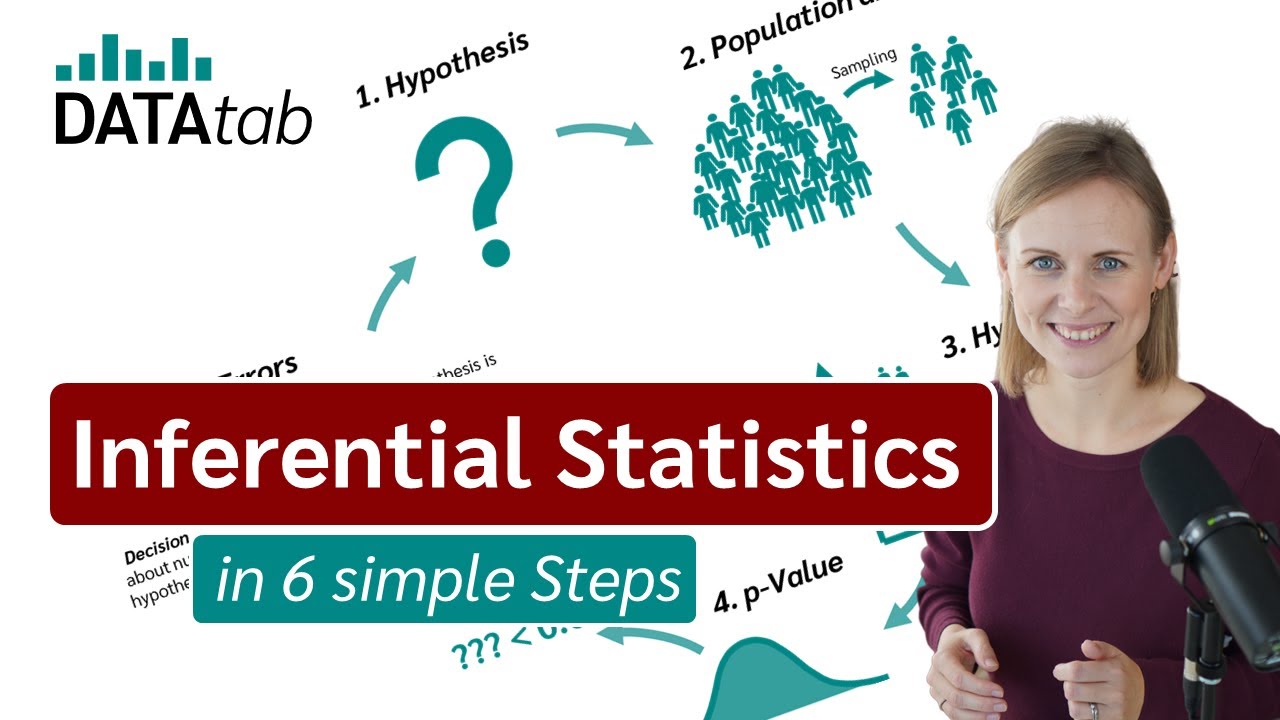

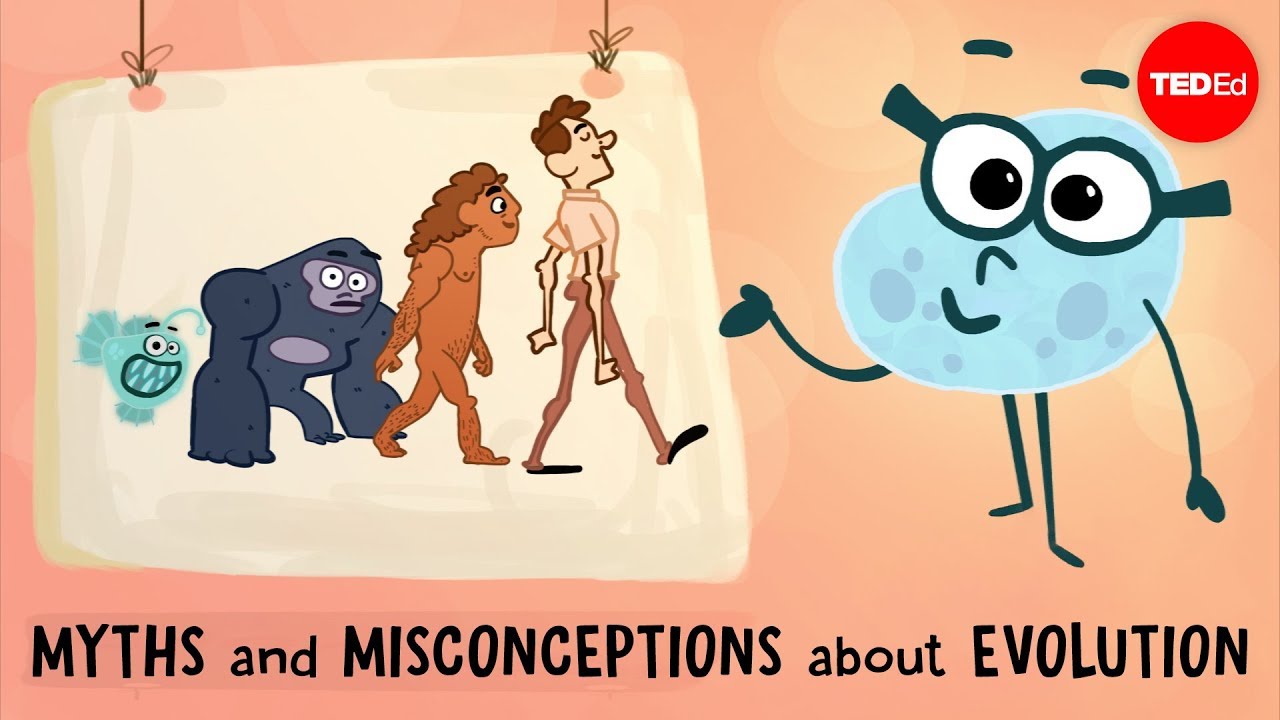













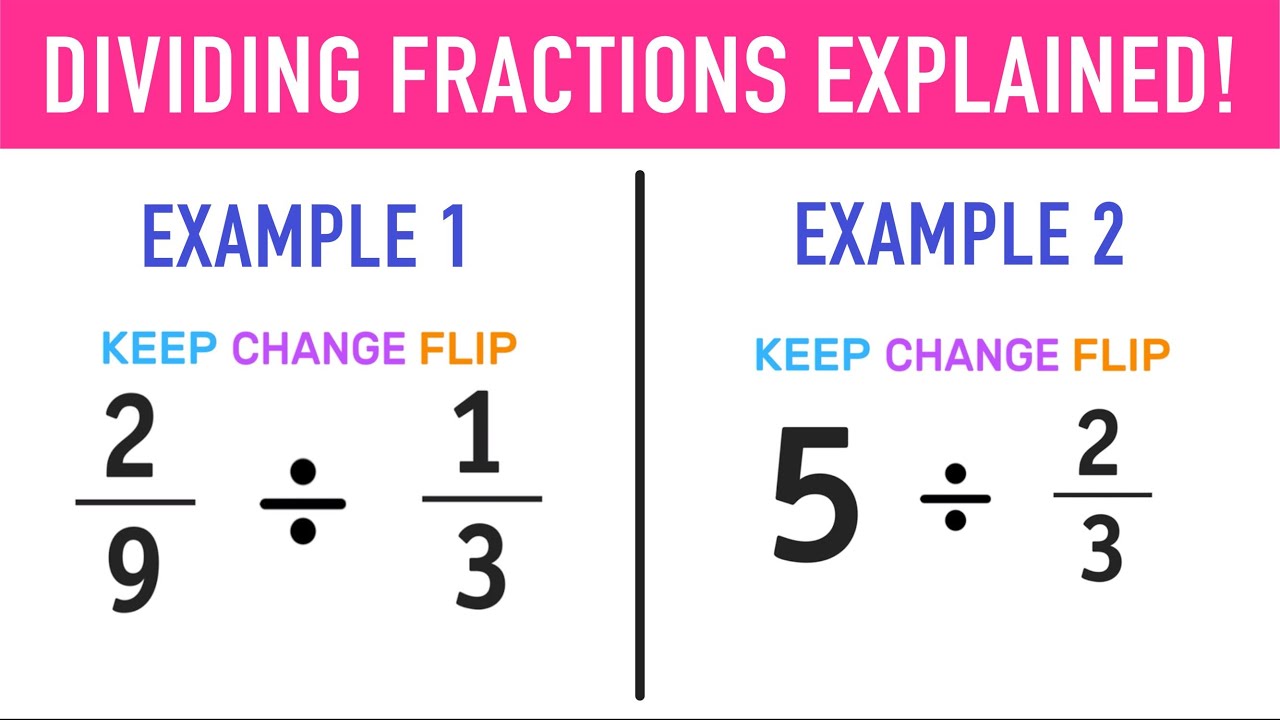









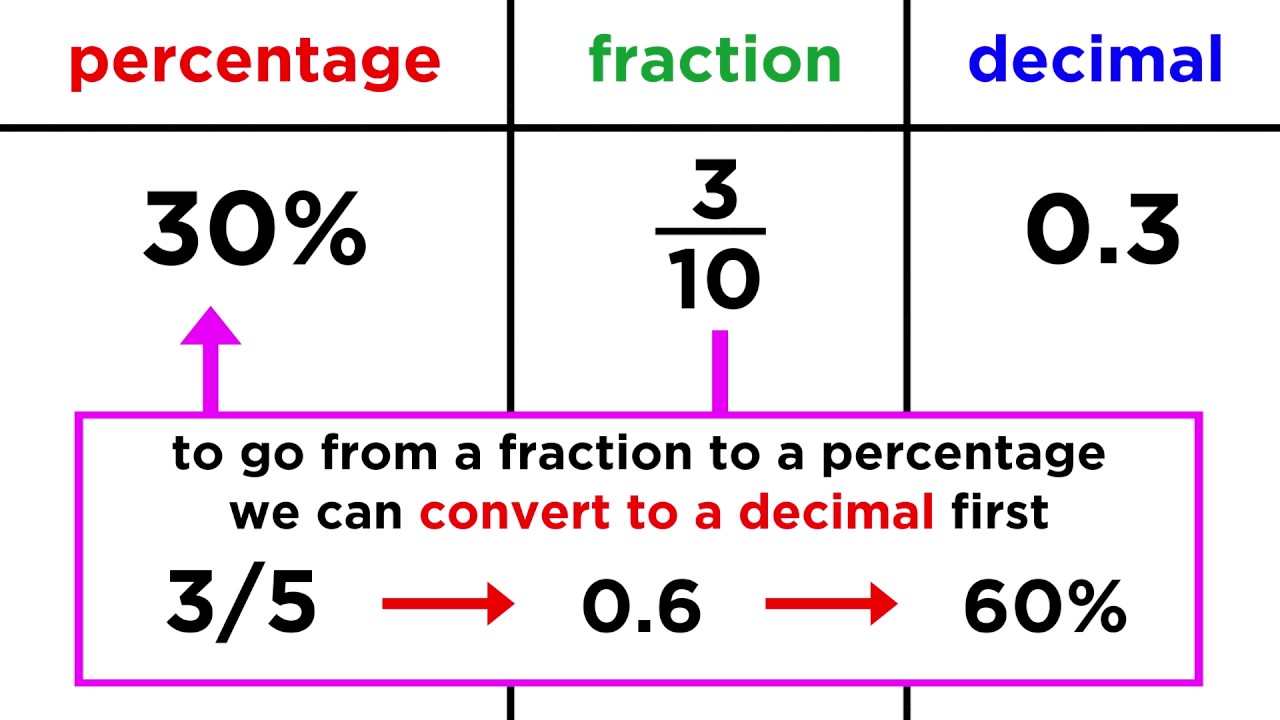


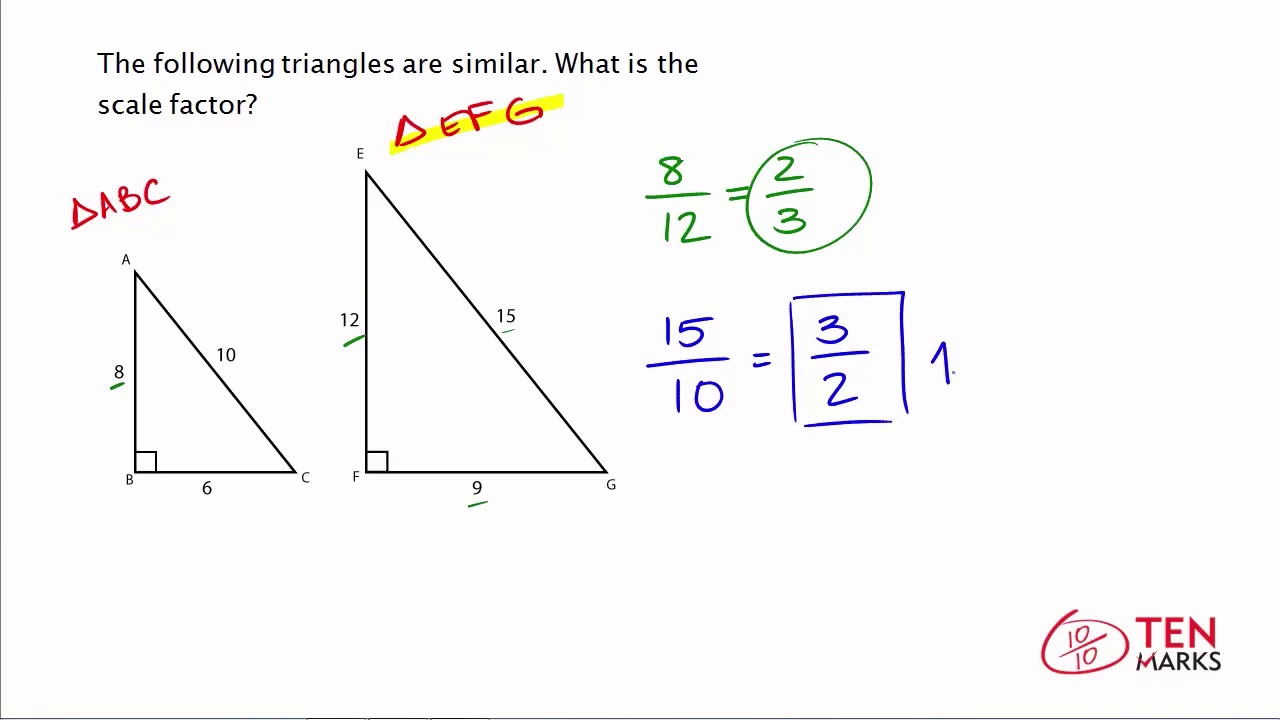

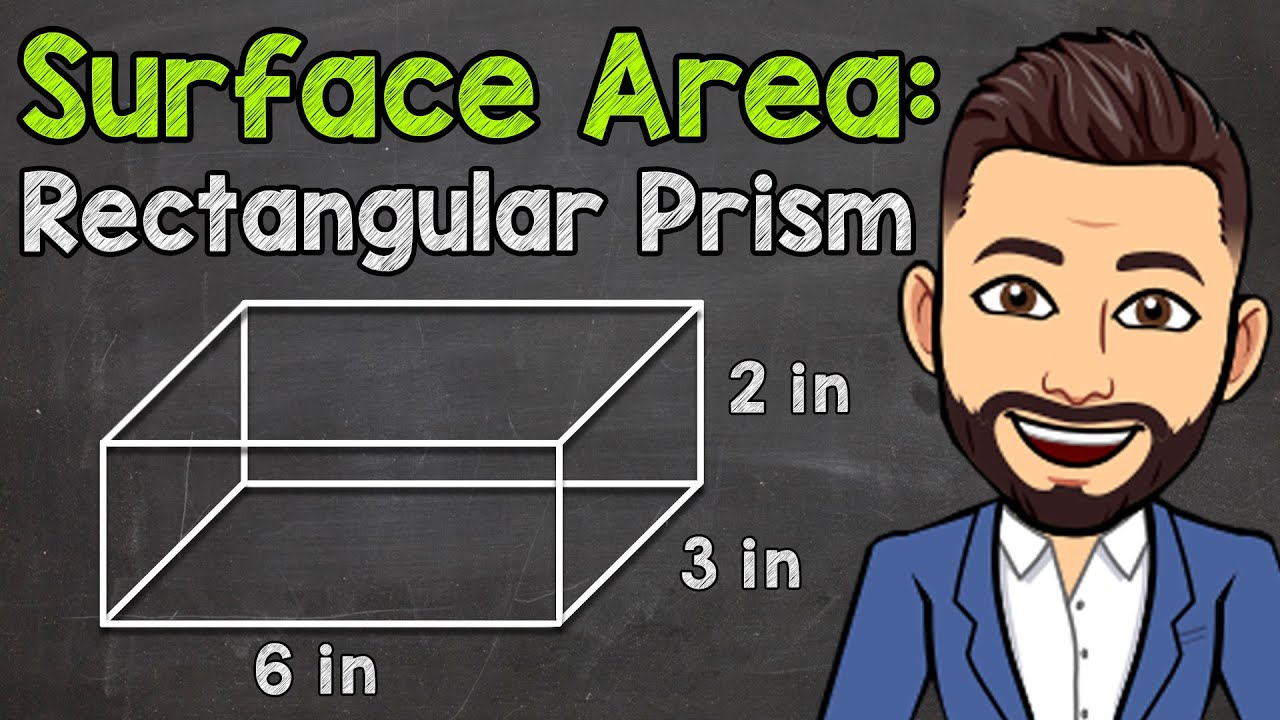




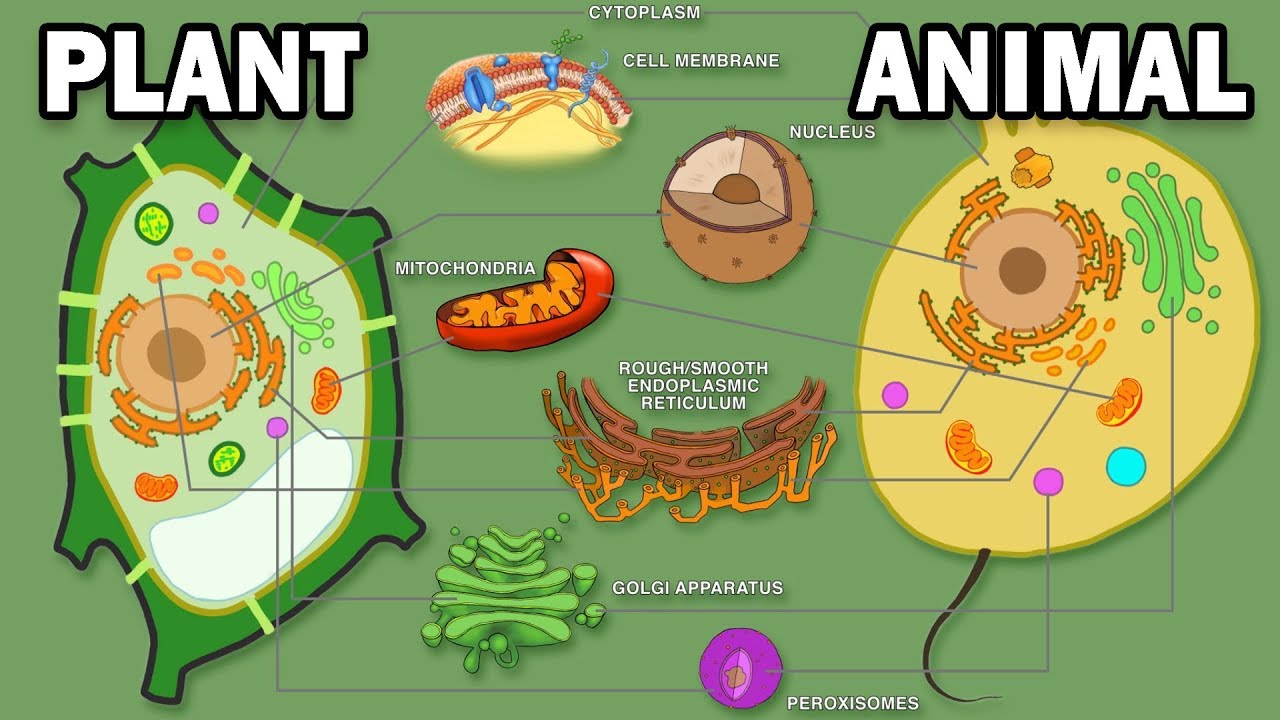
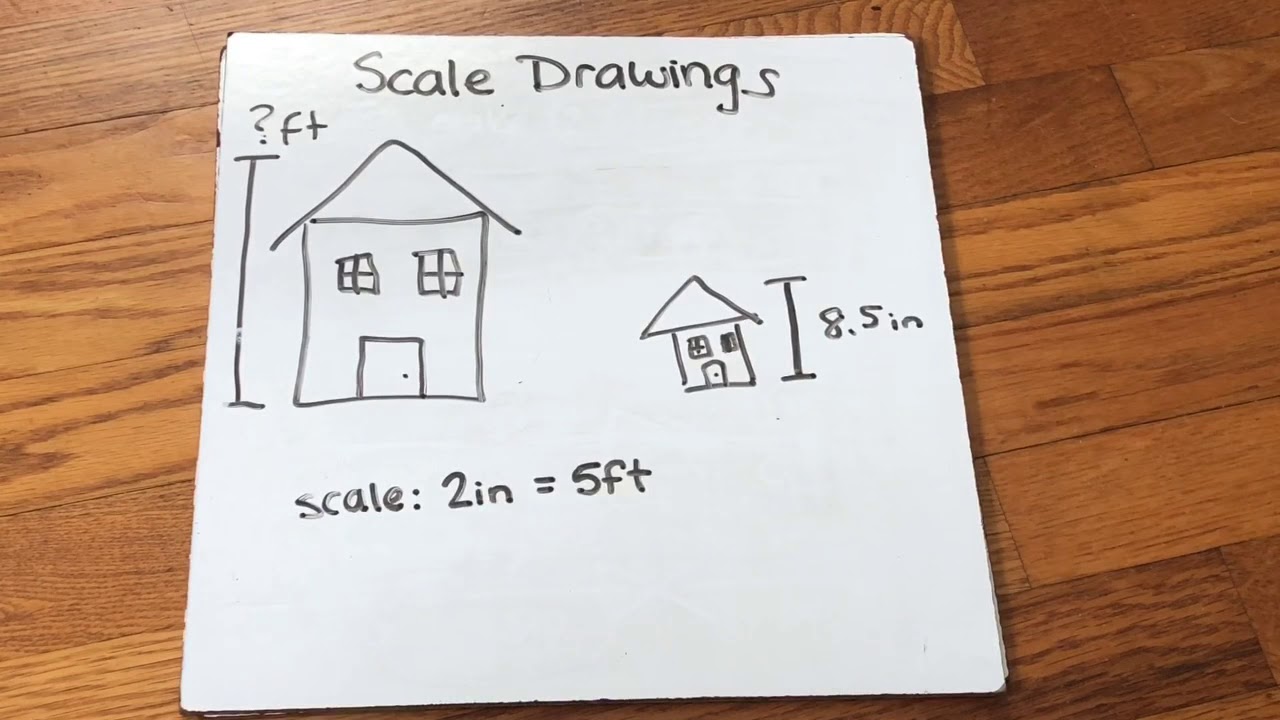


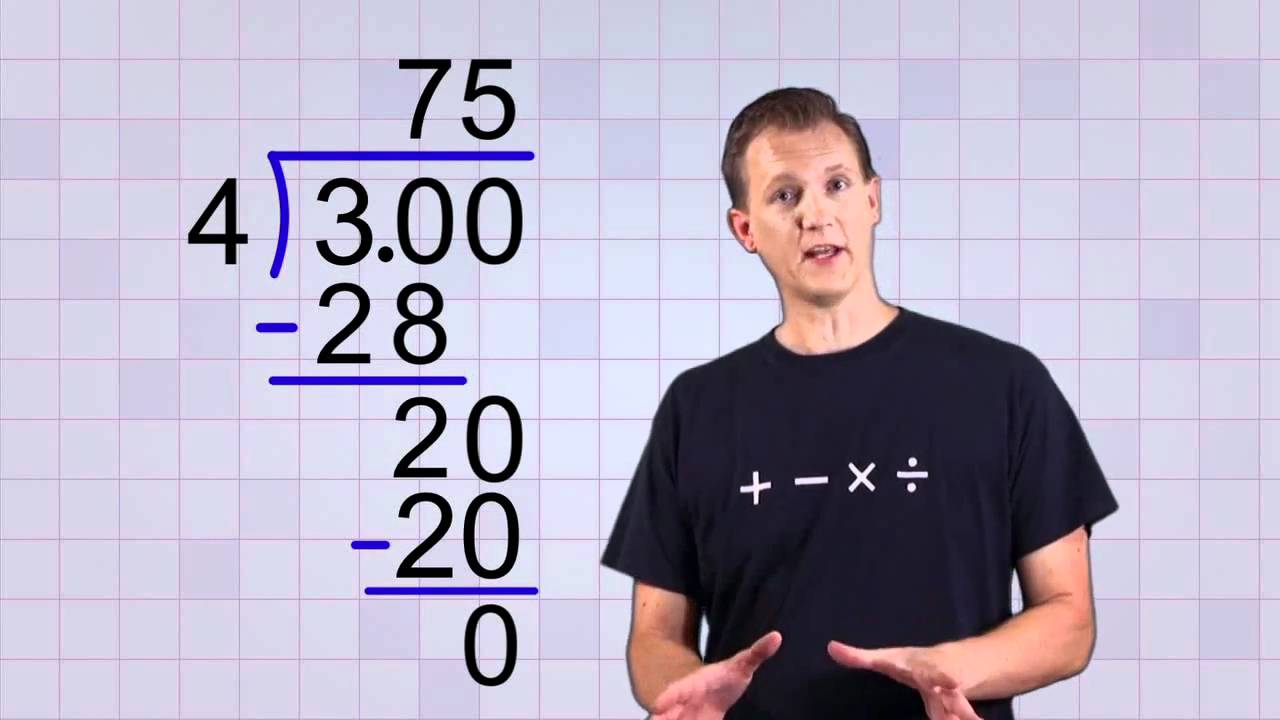





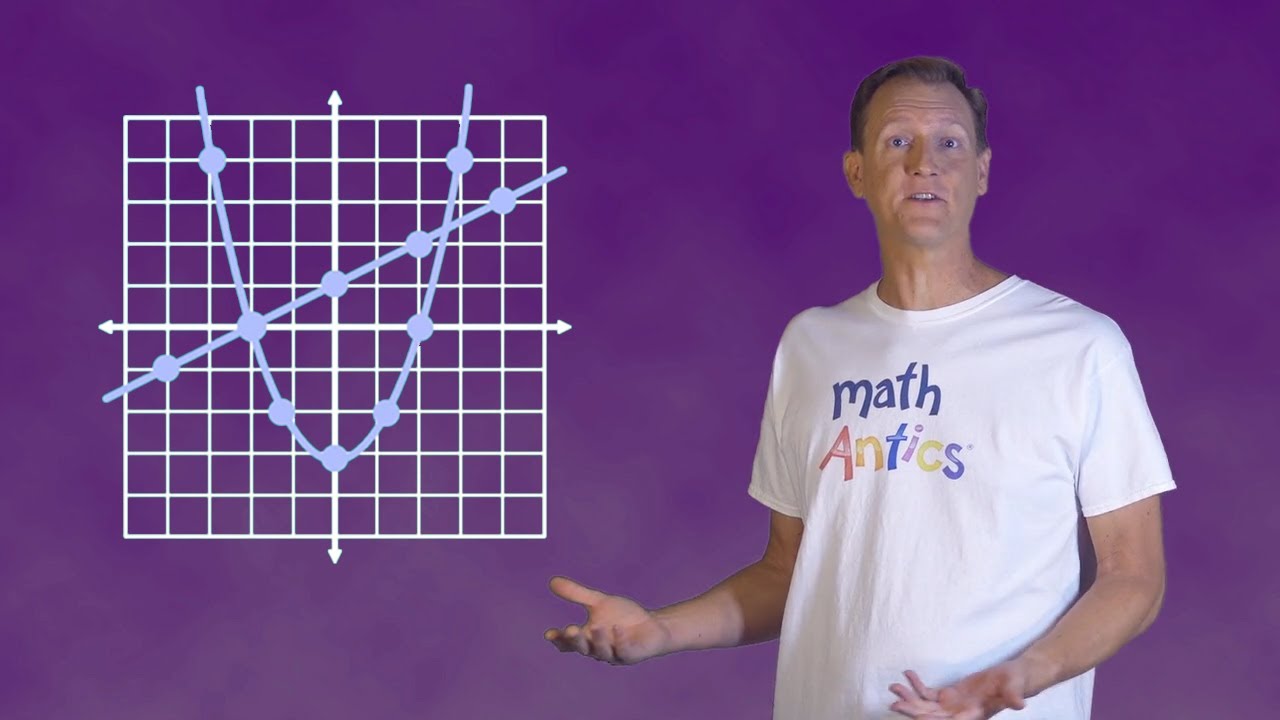


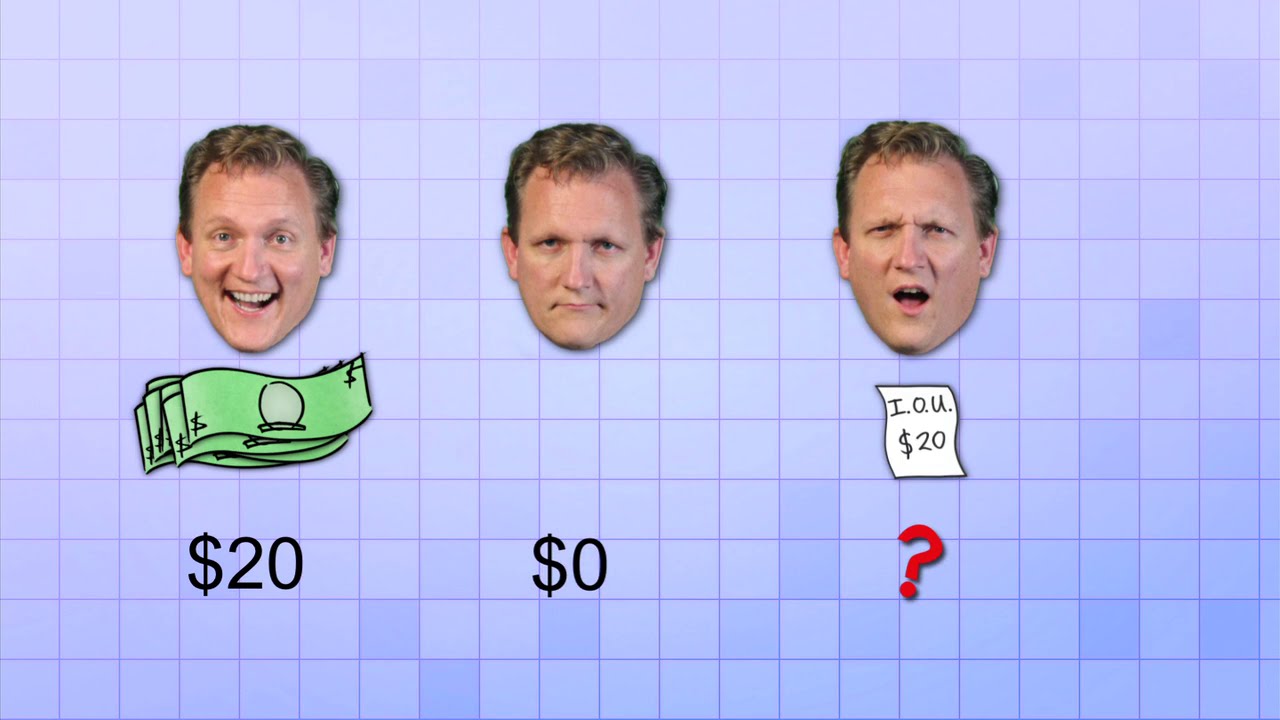


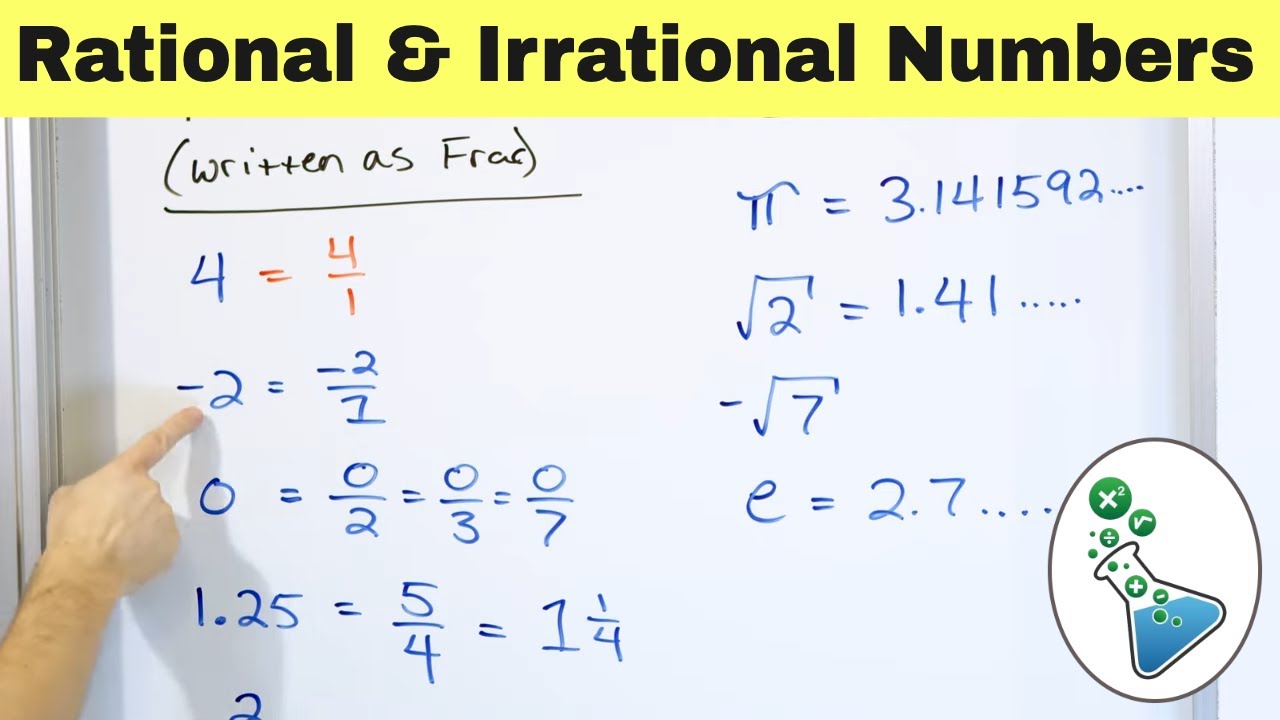


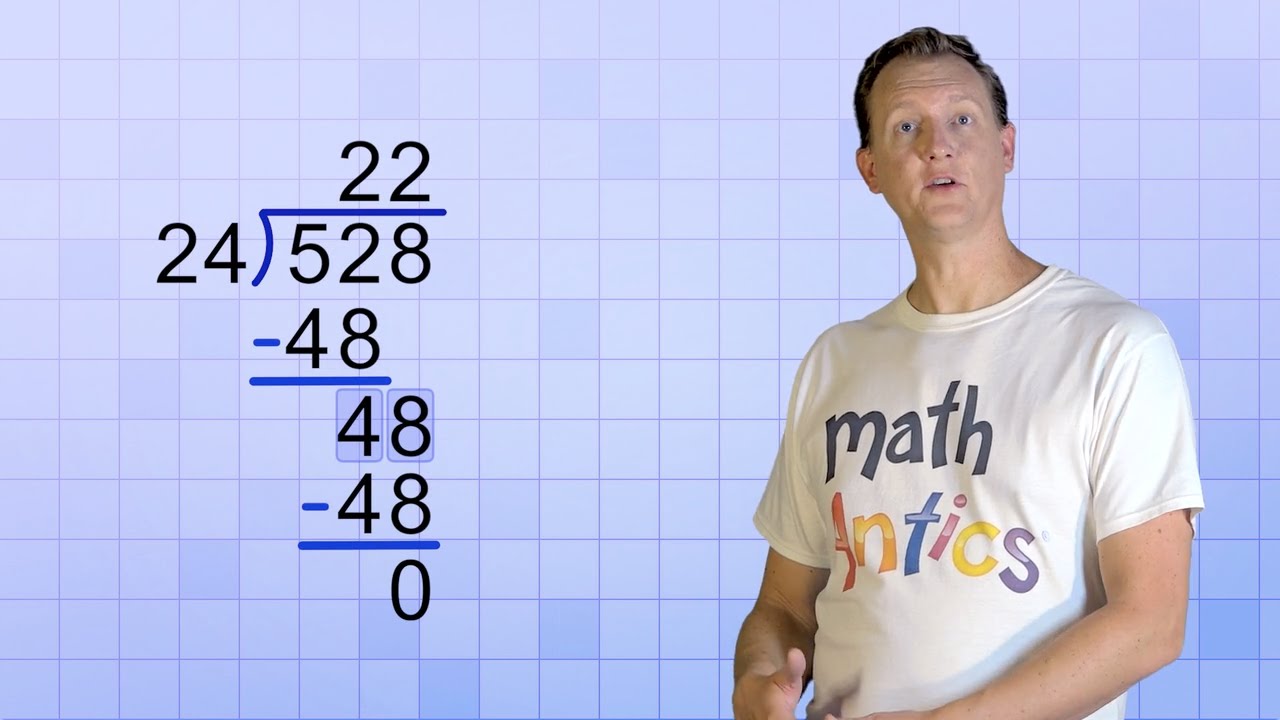










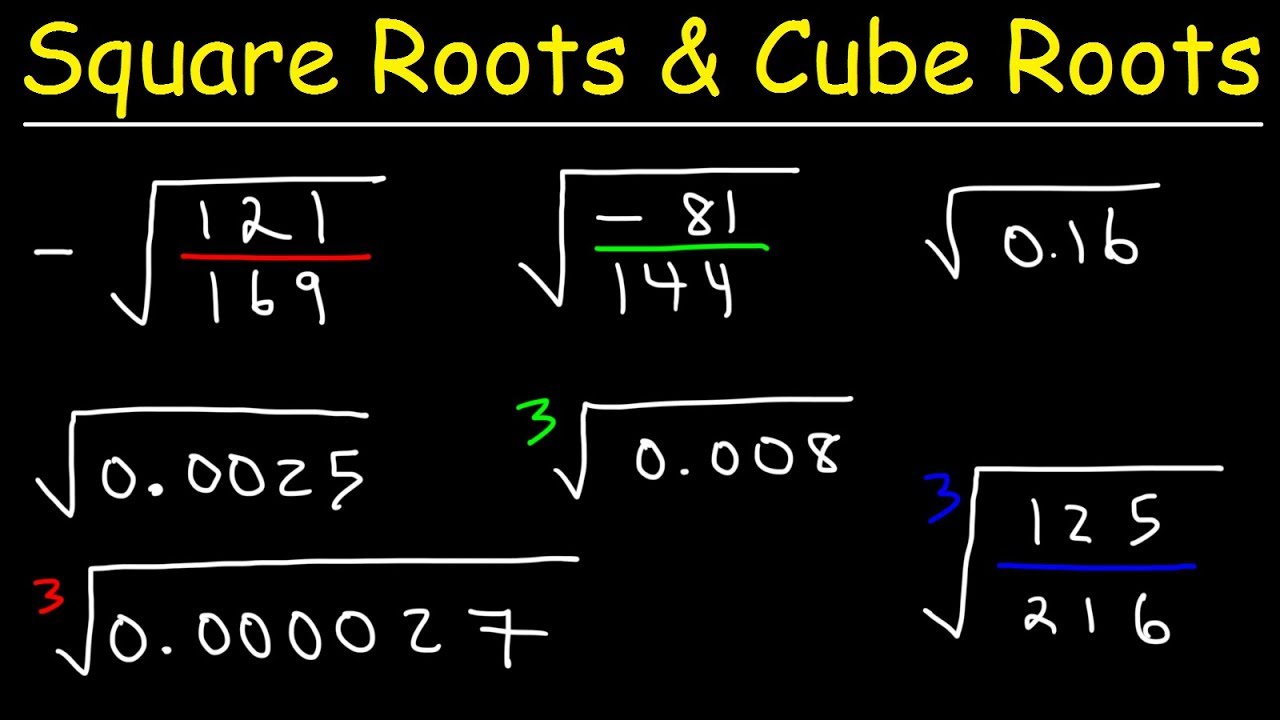





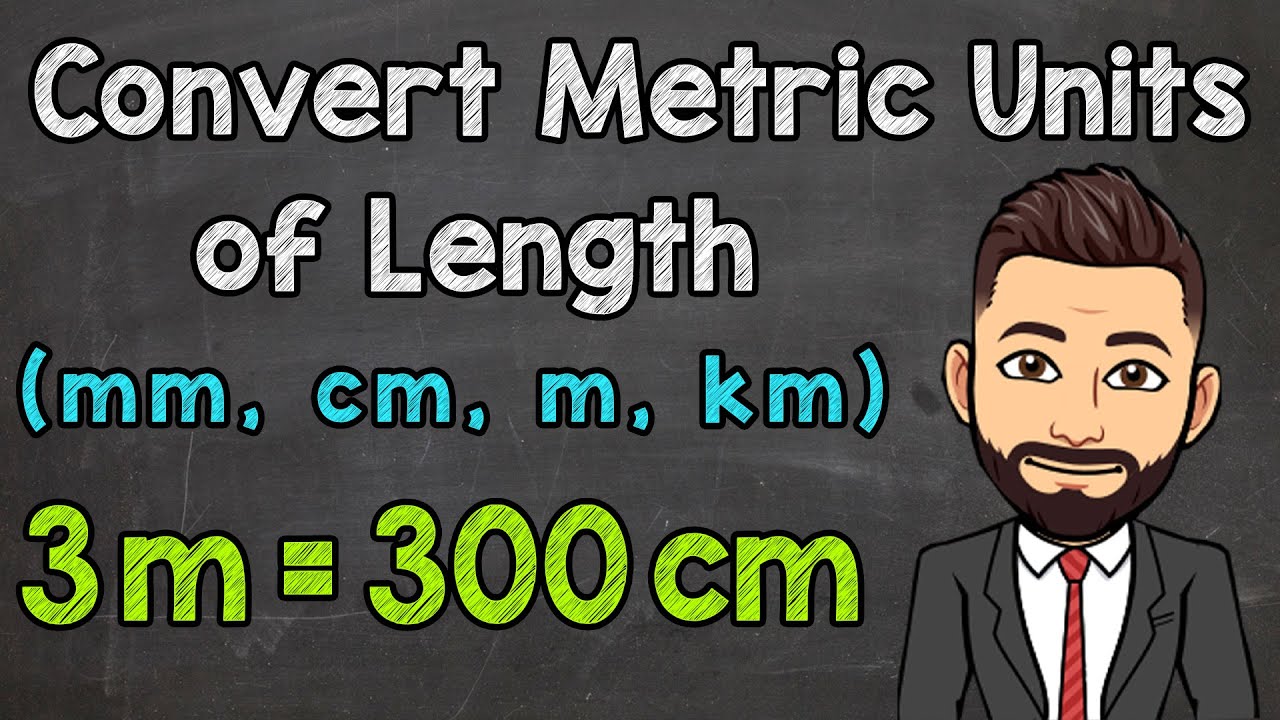



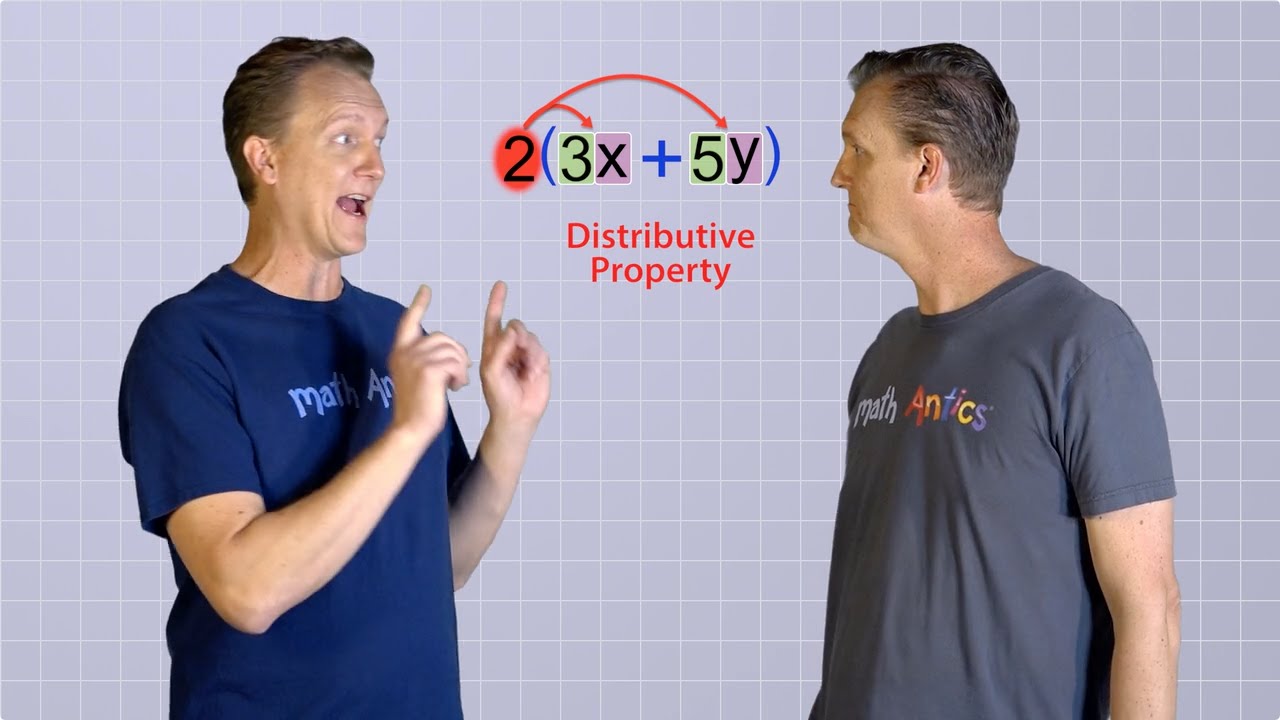














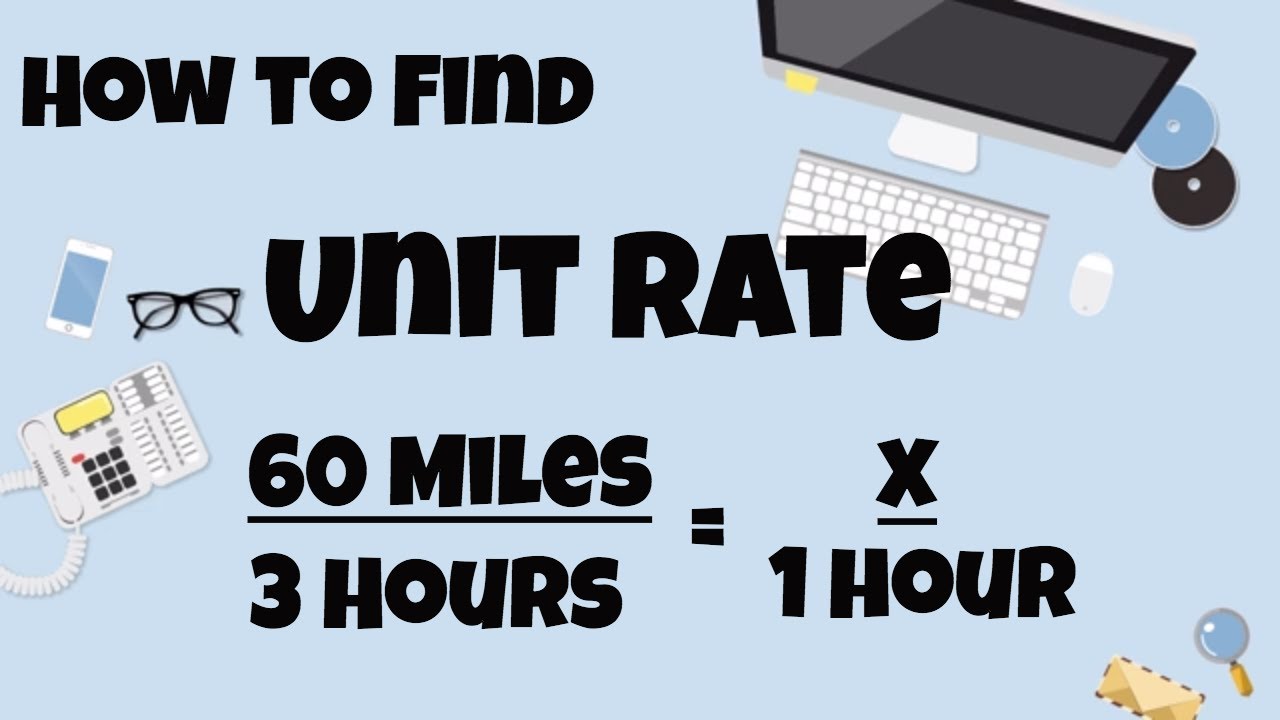


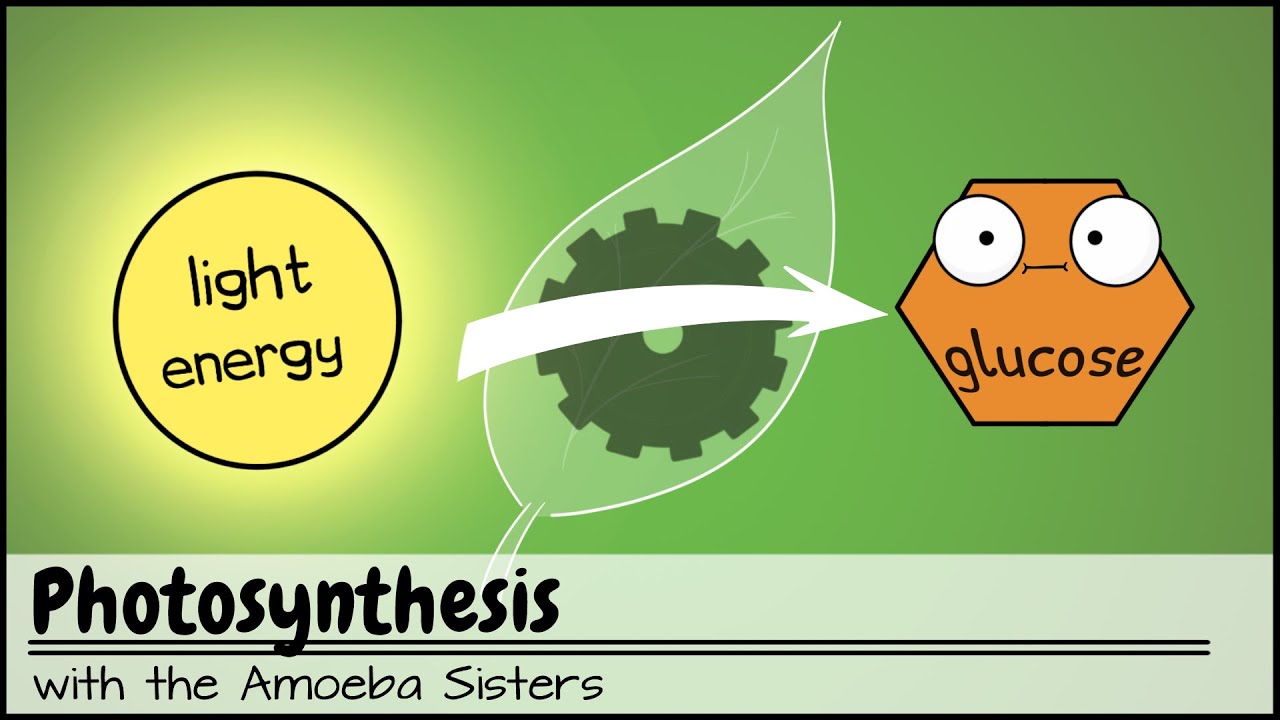

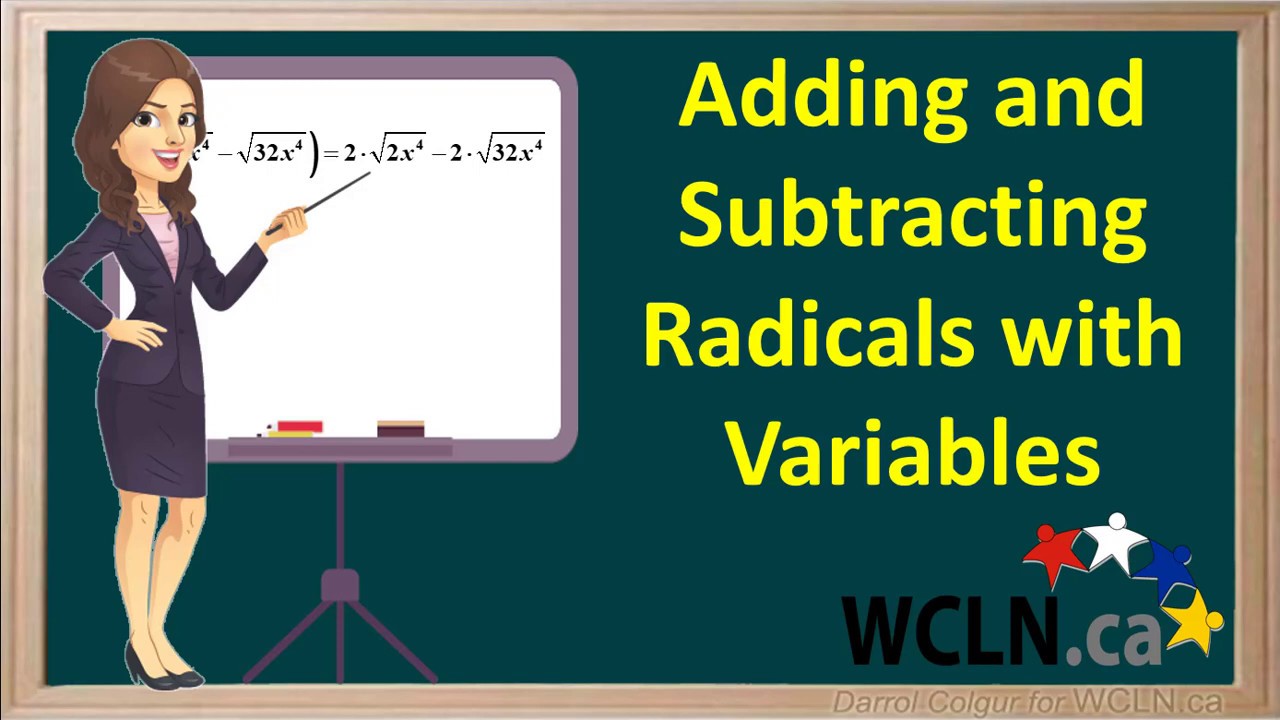
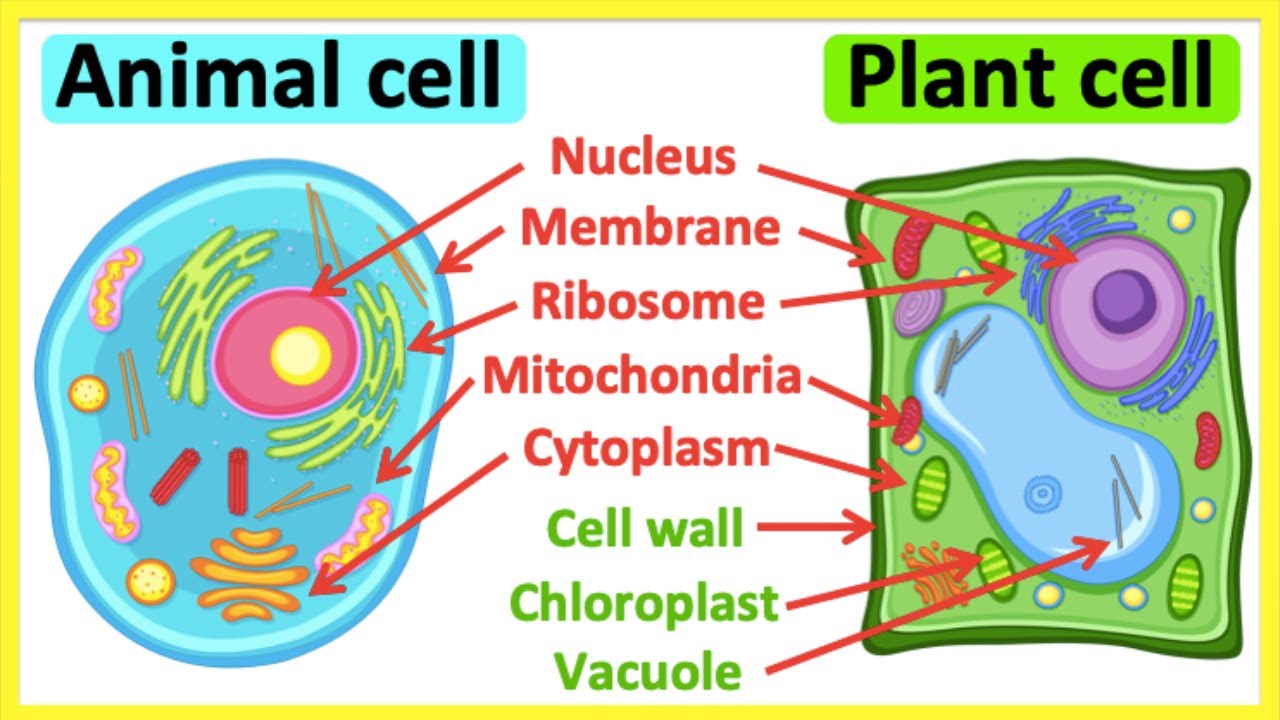

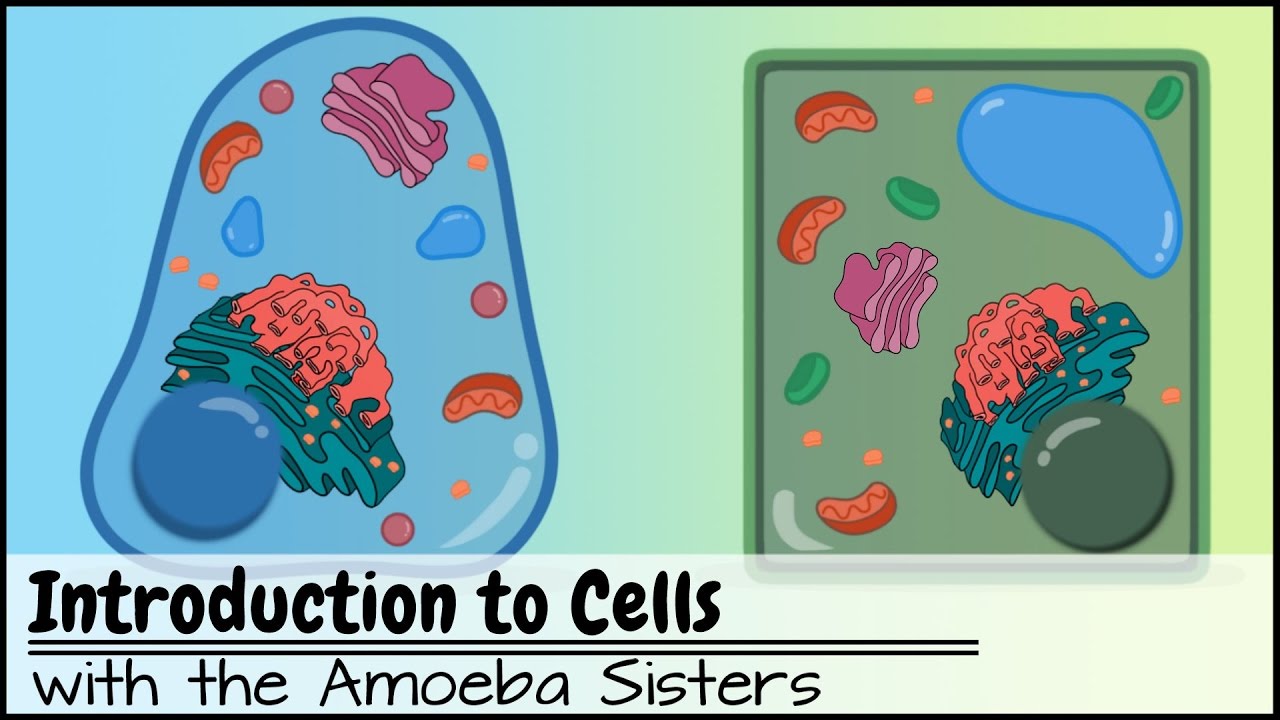


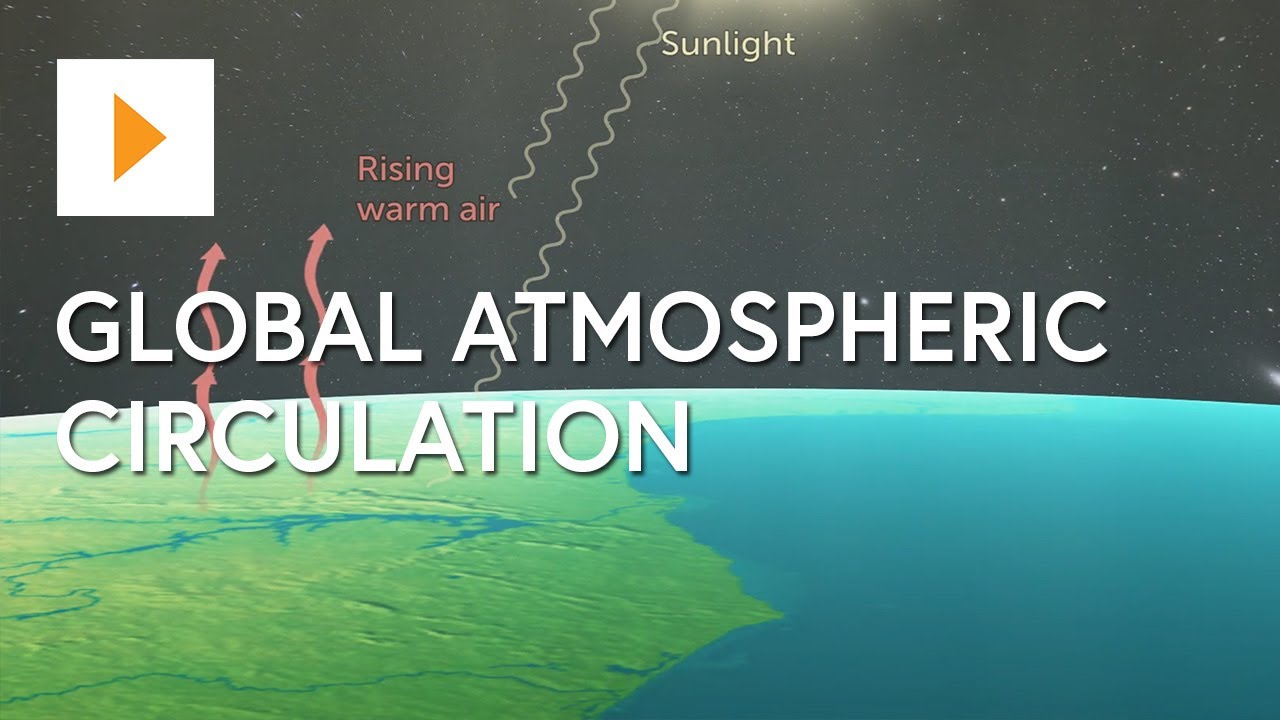


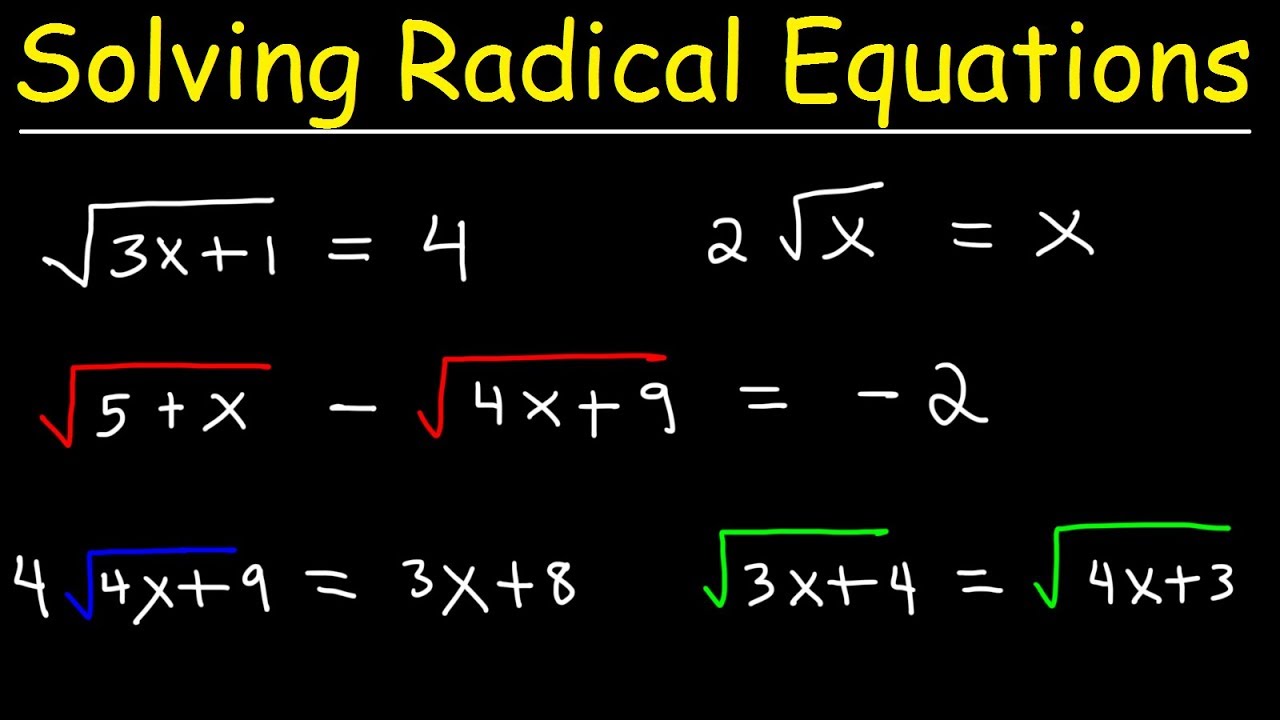


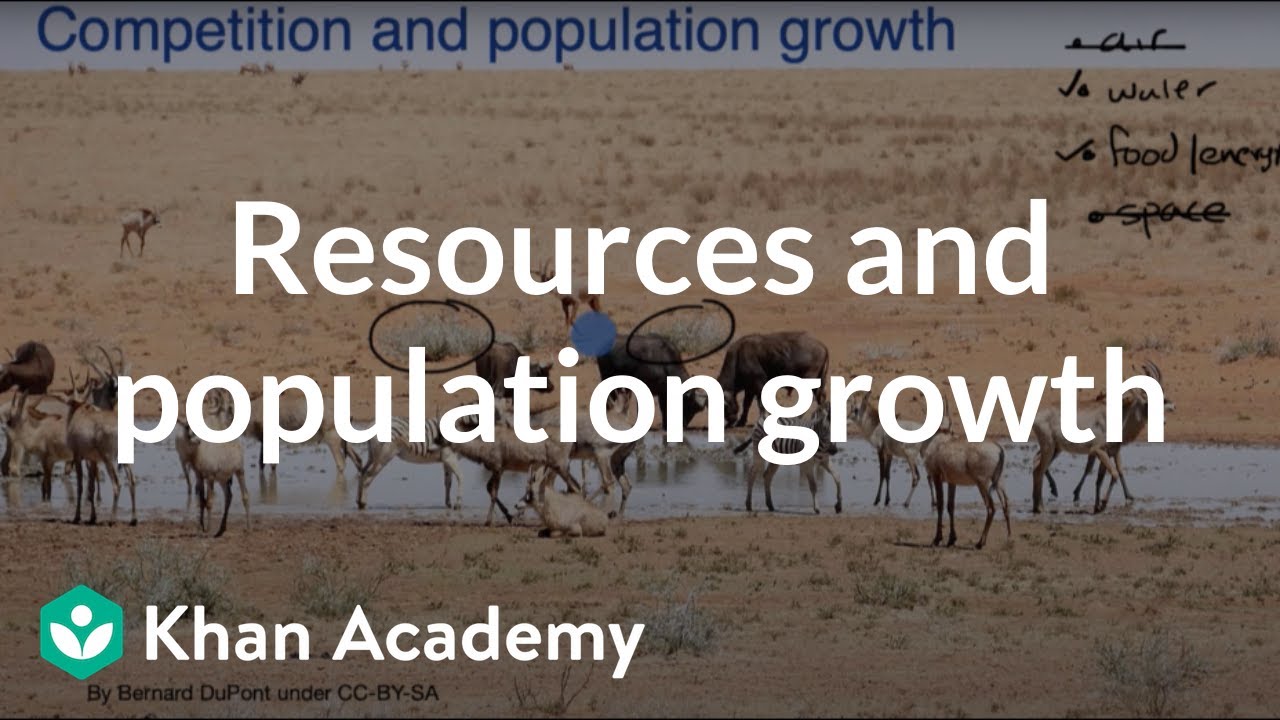


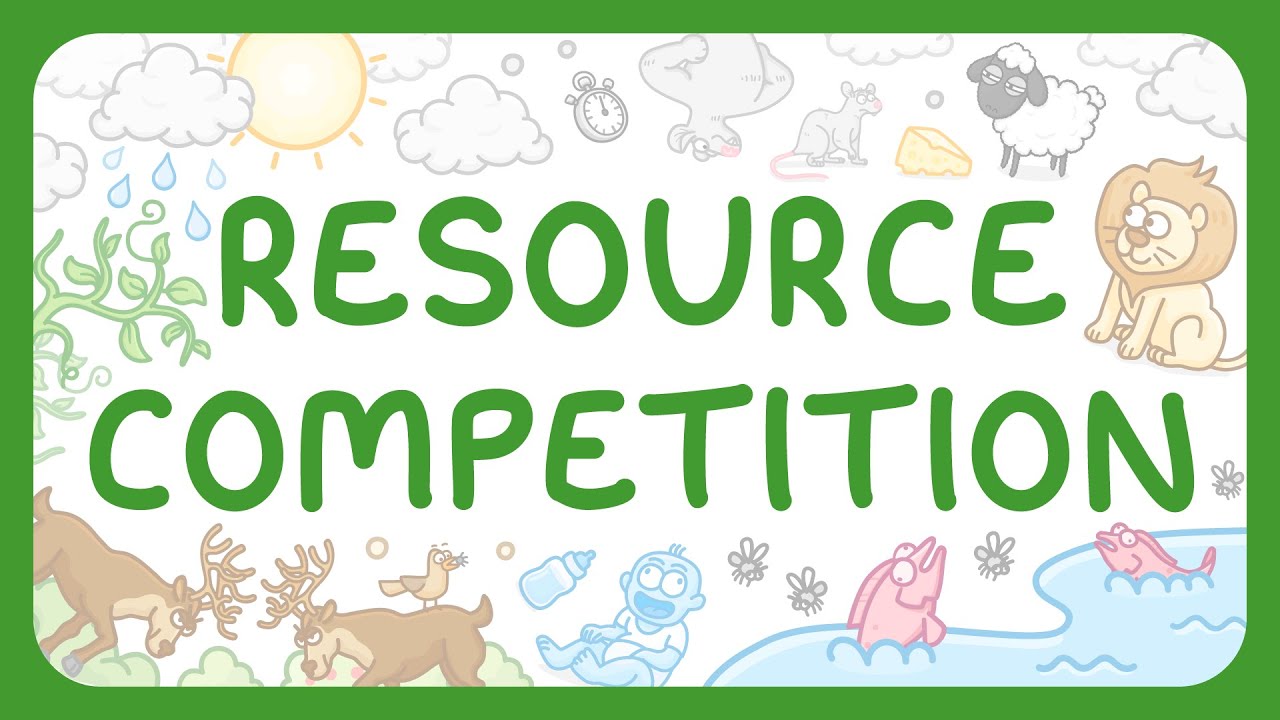








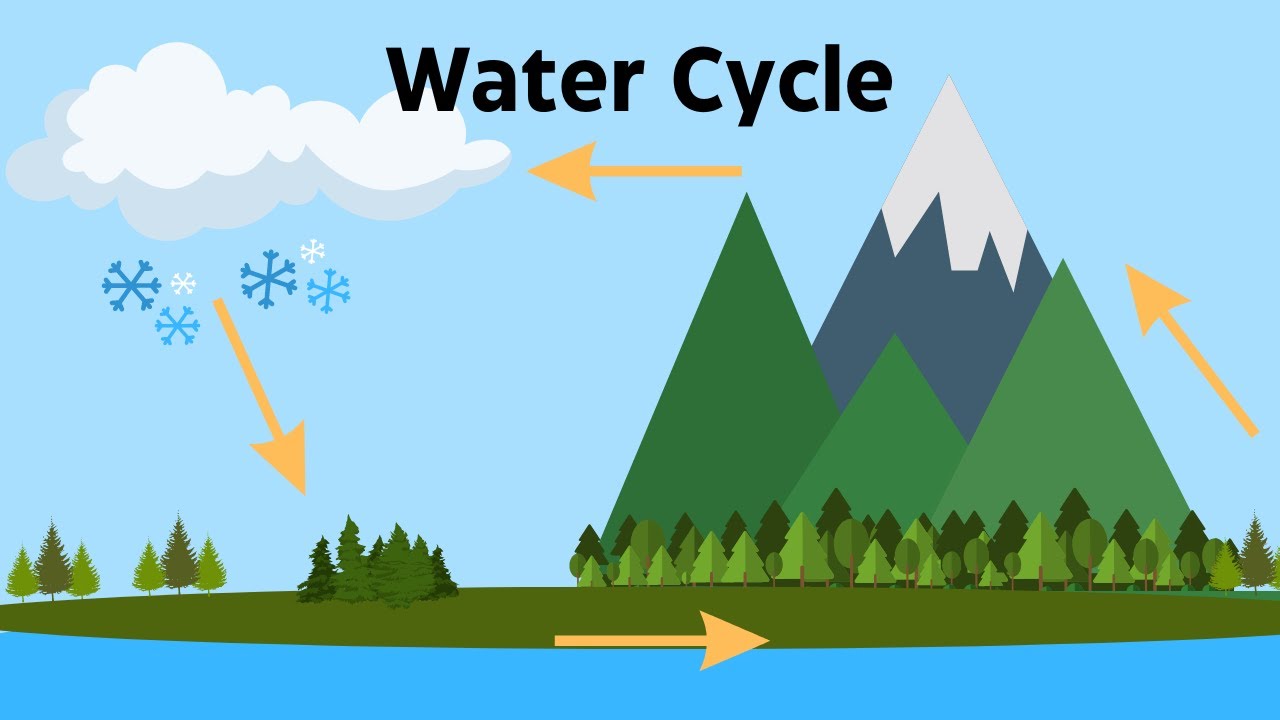


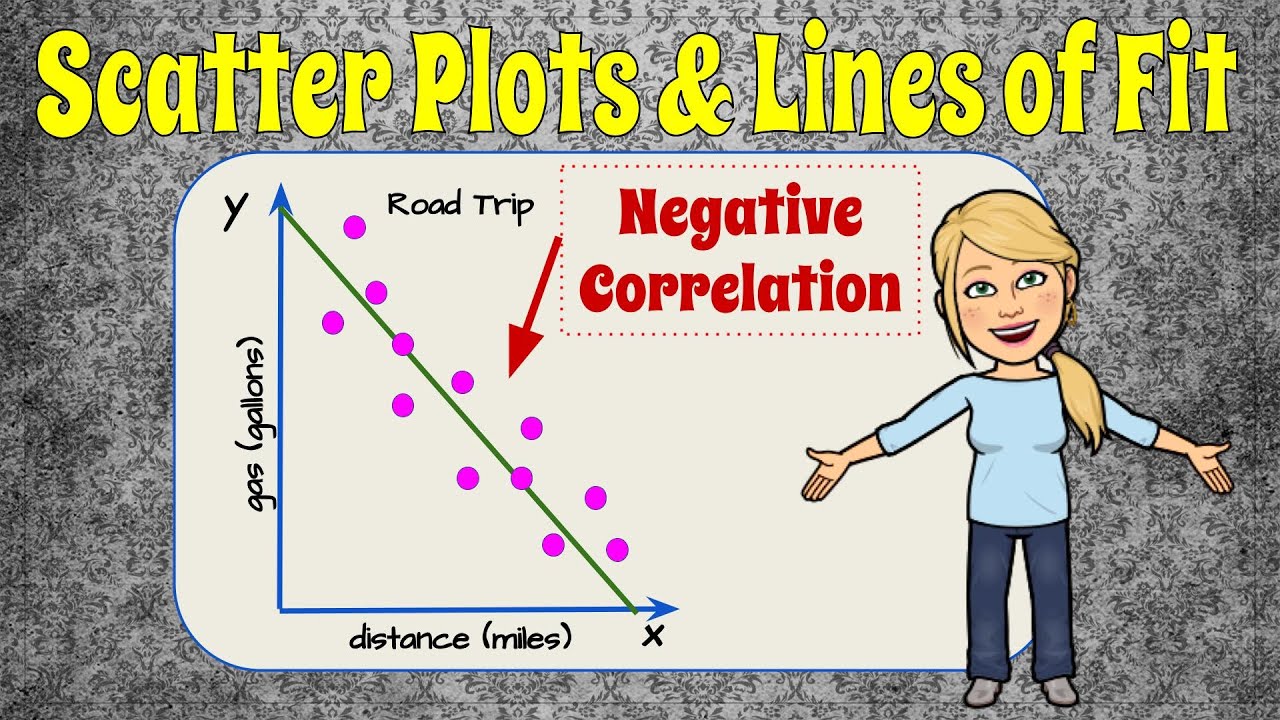

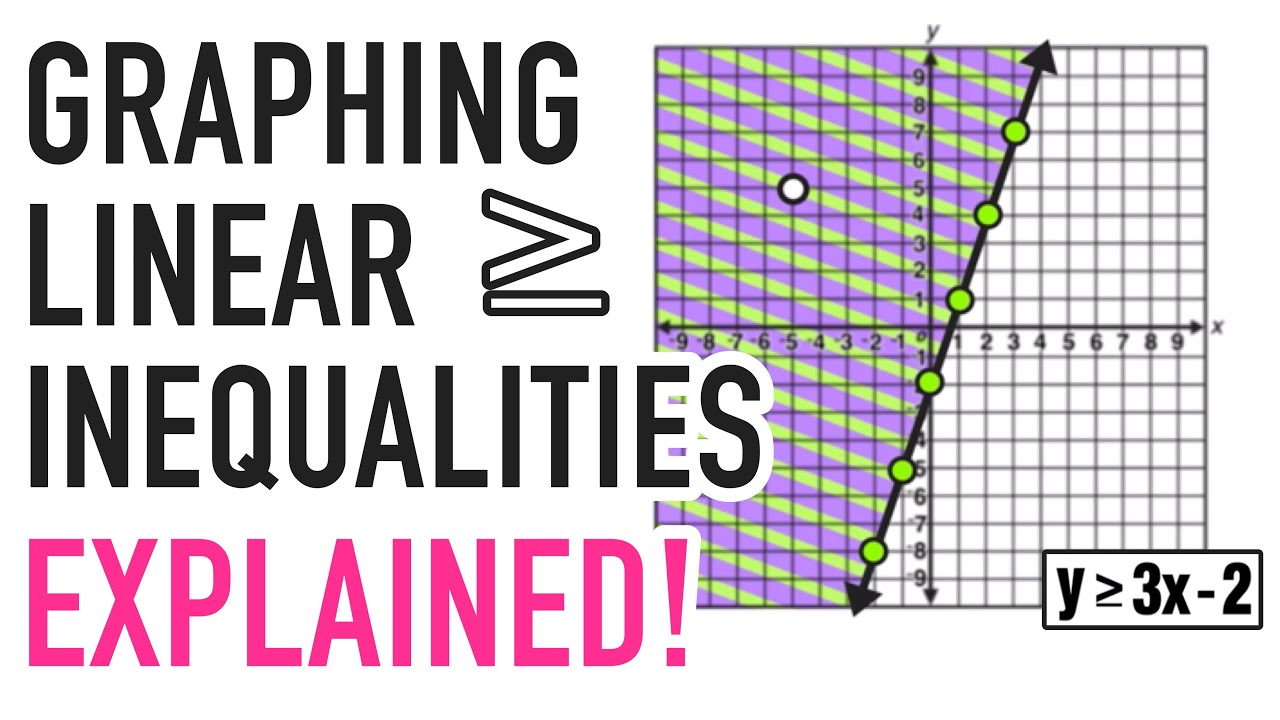


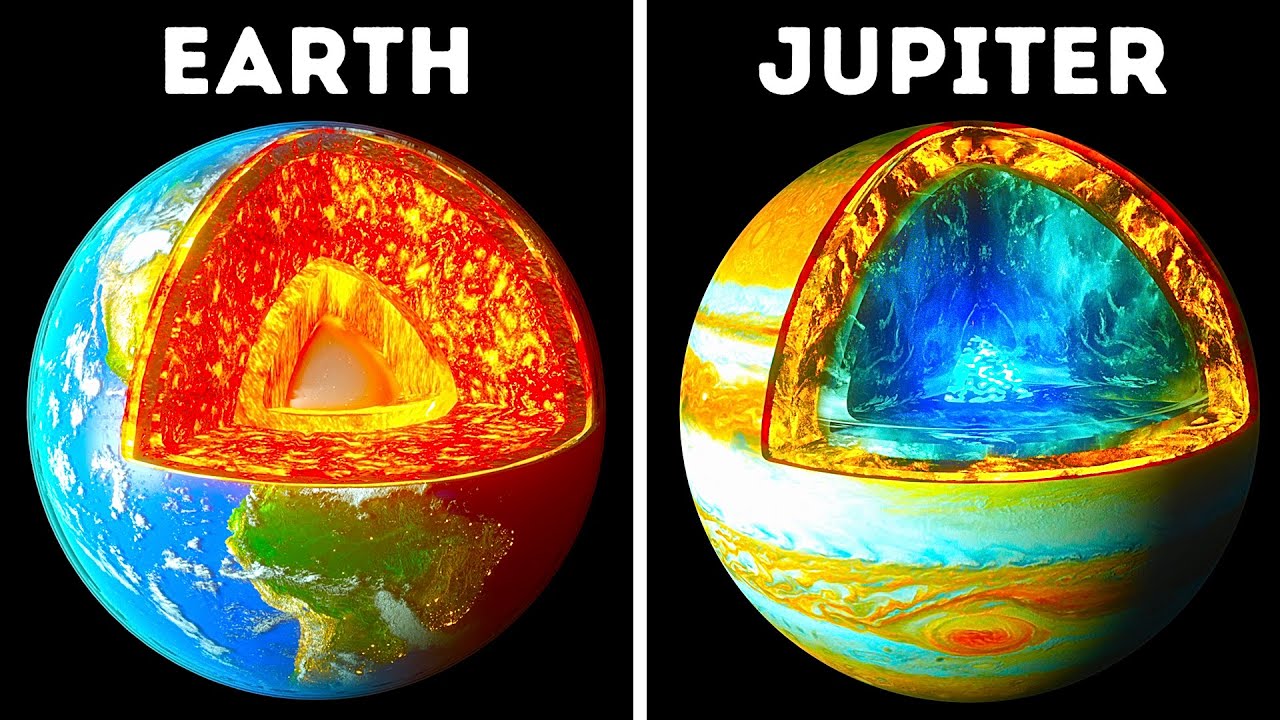

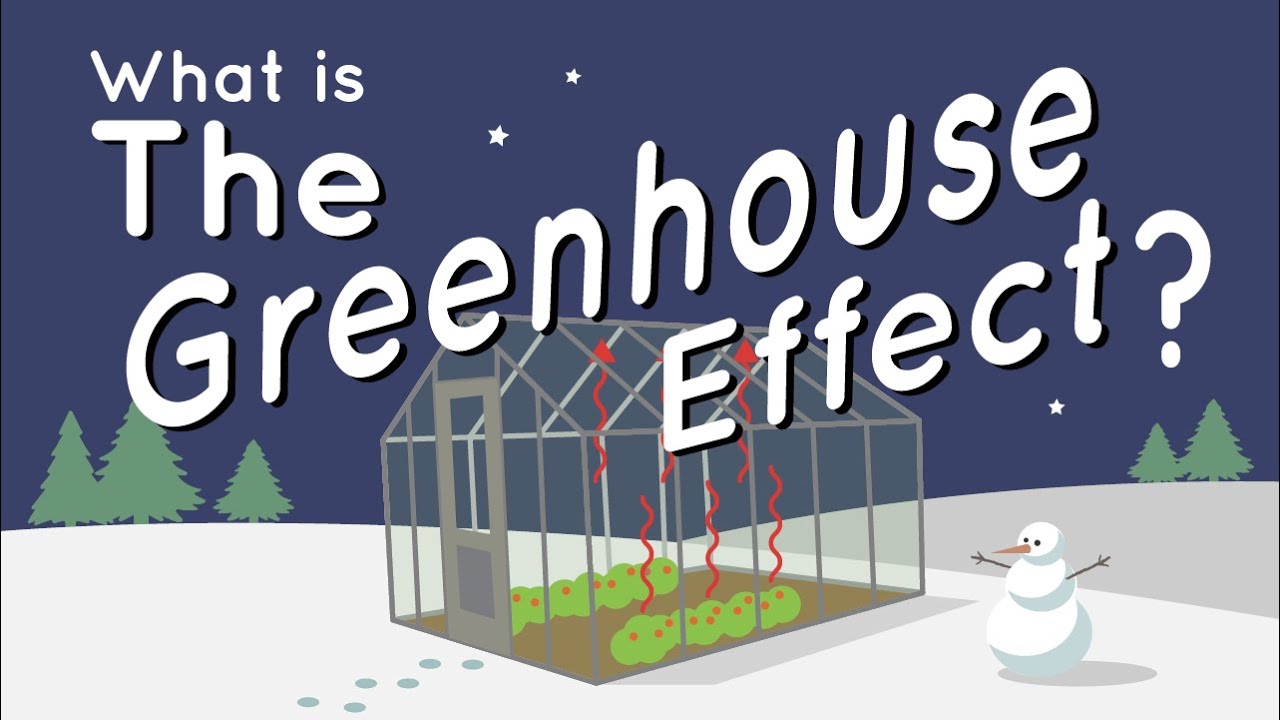


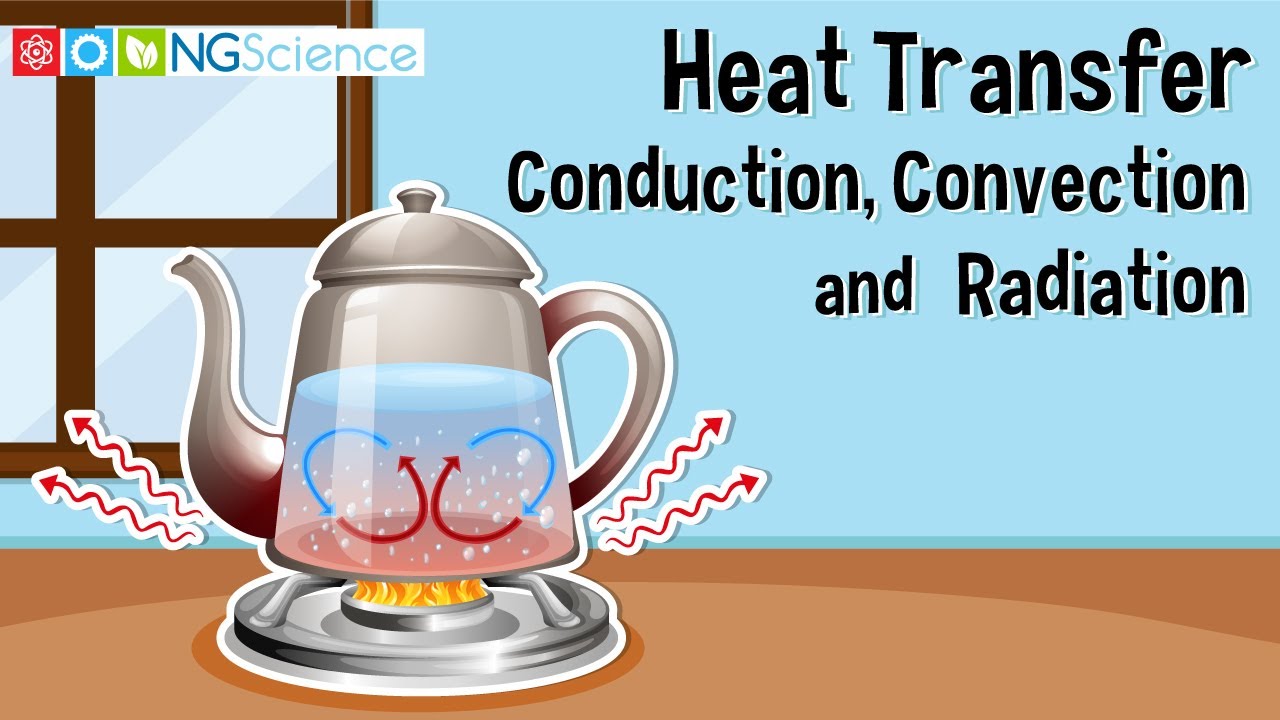










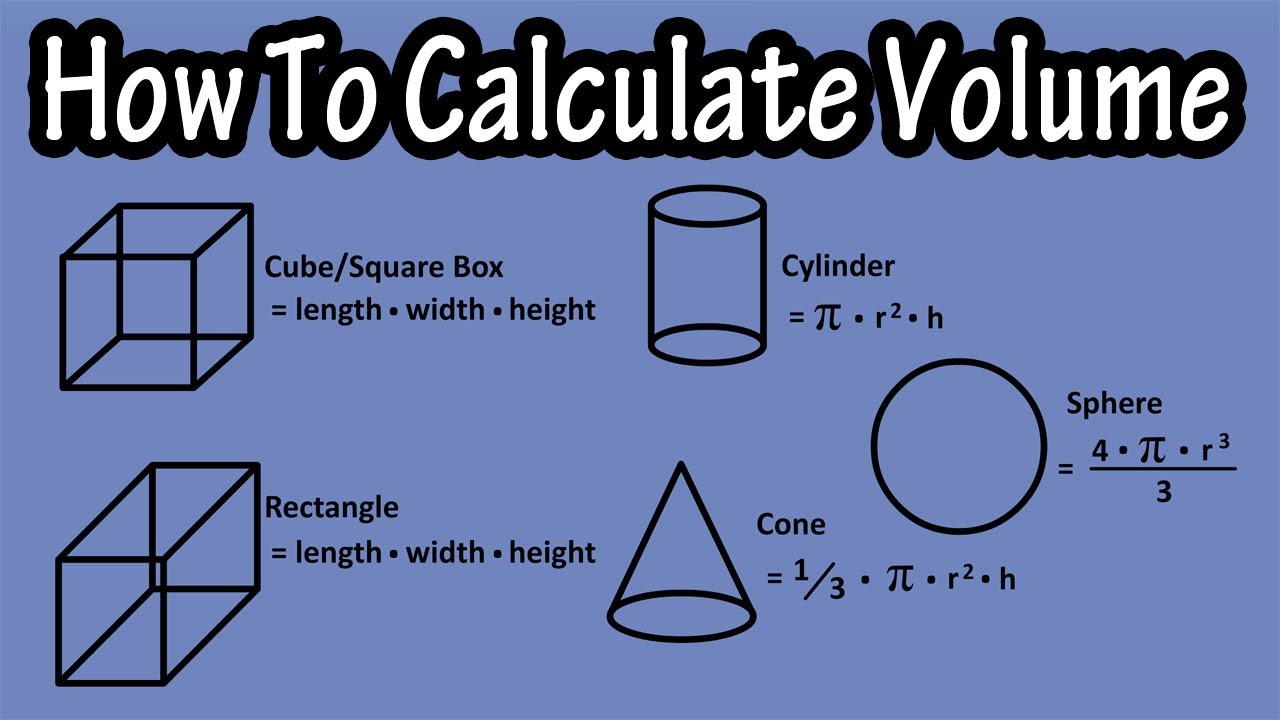
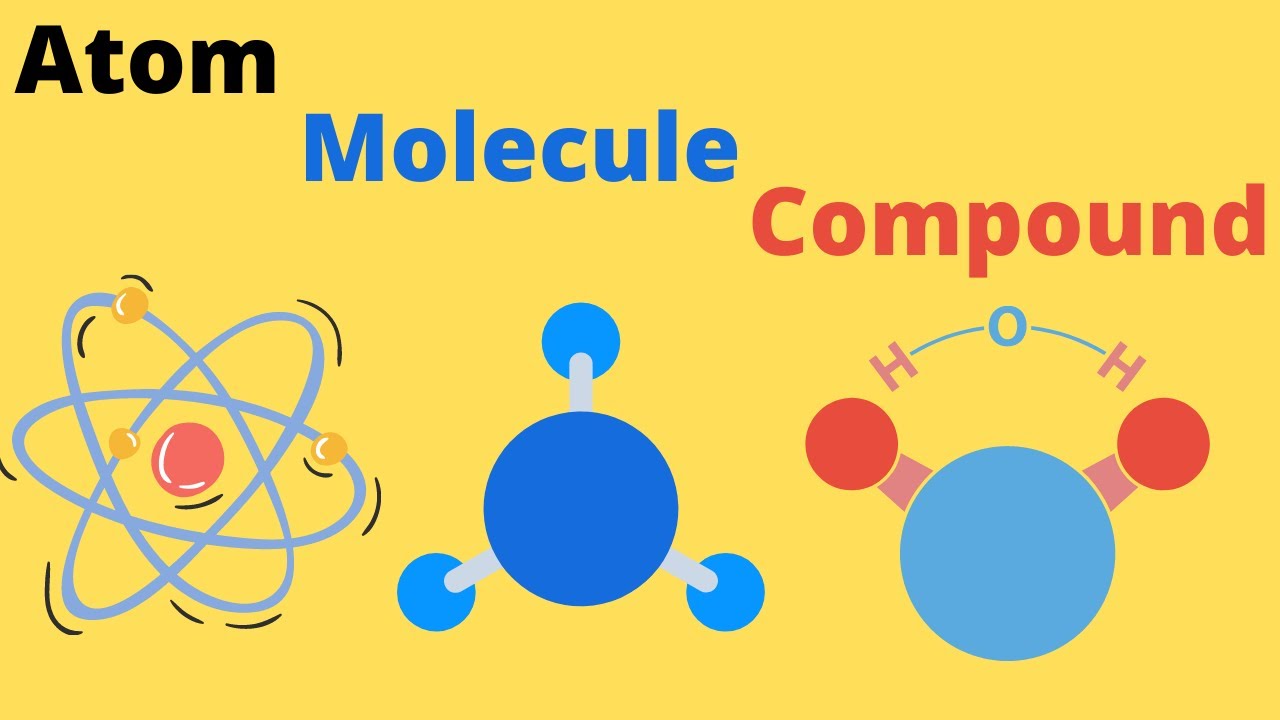




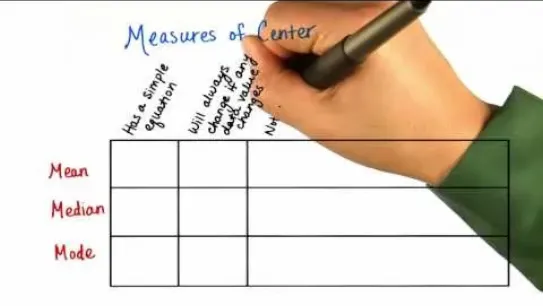
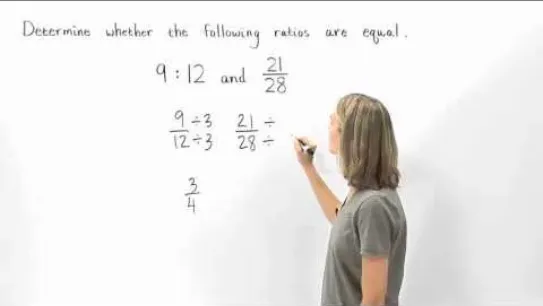
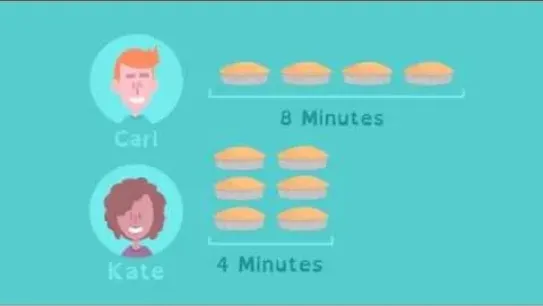
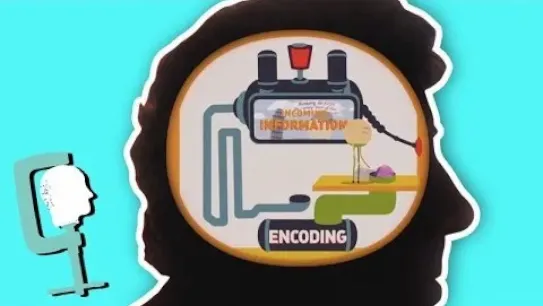

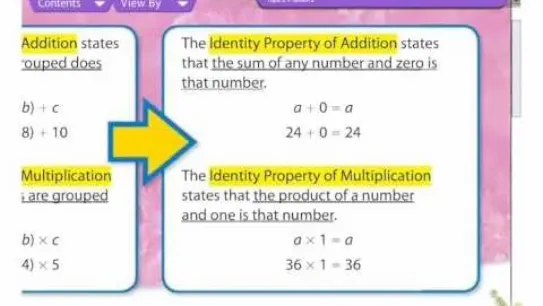
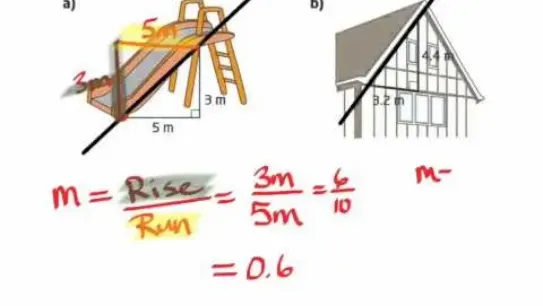



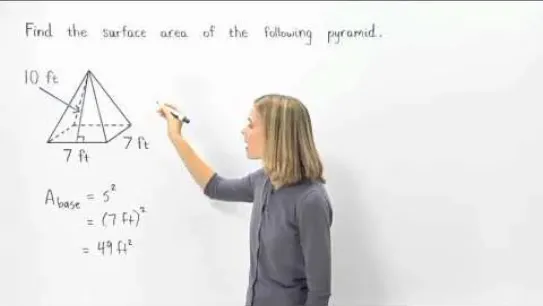
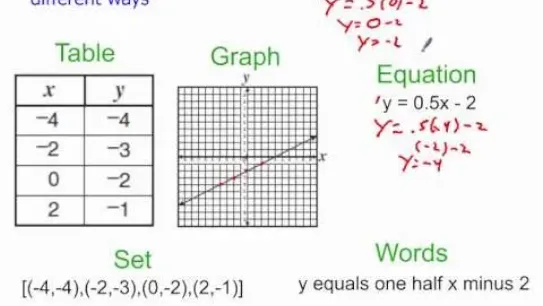


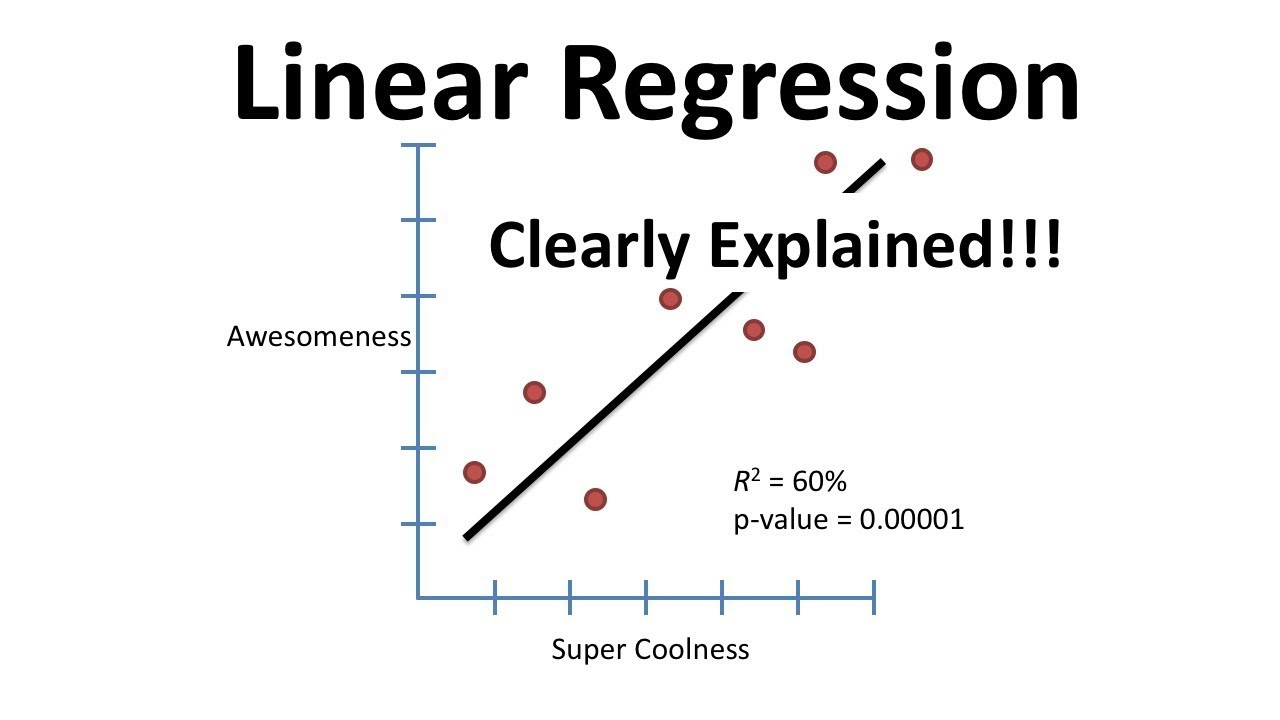
Conoce a nuestros principales creadores de contenido educativo
Class CrunchLabs, canal creado por Mark Rober, lleva nuevo contenido de CTIM a las aulas
Hemos colaborado con el ingeniero y creador Mark Rober para llevar sus característicos experimentos científicos prácticos directamente al aula. Class CrunchLabs es un plan de estudios de ciencias sin coste y adaptado a los estándares curriculares para estudiantes de entre 11 y 14 años, diseñado para despertar la curiosidad del alumnado, reforzar la confianza de los docentes y hacer que la ciencia parezca factible y divertida.
El plan de estudios completo, desarrollado en colaboración con la National Science Teaching Association (NSTA) y Google.org, incluye cientos de retos prácticos y más de 1000 vídeos increíbles. El contenido de vídeo estará disponible en 34 idiomas en el nuevo canal de YouTube Class CrunchLabs, listo para el curso escolar 2026-2027. Y todo esto, como parte de nuestro esfuerzo continuo por convertir YouTube en un recurso de referencia para acceder a contenidos académicos de alta calidad.
Vídeos educativos de YouTube atractivos y de alta calidad
Descubre una selección de vídeos que complementan el aprendizaje en enseñanza primaria y secundaria en varias materias. Descubre canales que los docentes utilizan en su actividad cotidiana y contenidos educativos de prestigio que se ha añadido recientemente a la plataforma YouTube.


-
Ciencia
Amoeba Sisters
-
Ciencia
Chem Teacher Phil
-
Ciencia
Nancy Bullard (Mrs. B TV)
-
Ciencia
The Penguin Prof
-
Ciencia
Khan Academy
-
Ciencia
Wayne Breslyn (Dr. B)
-
Ciencia
Flipping Physics
-
Ciencia
Teacher's Pet
-
Ciencia
MAD GARDEN Science
-
Ciencia
Miacademy & MiaPrep Learning Channel
-
Ciencia
Cognito USA
-
Ciencia
Cognito
-
Ciencia
TED-Ed
-
Ciencia
MooMooMath and Science
-
Ciencia
National Geographic
-
Ciencia
Science ABC
-
Ciencia
MinuteEarth
-
Ciencia
NASA Space Place
-
Ciencia
Science Trek
-
Ciencia
SquidBooks
-
Ciencia
Bozeman Science
-
Ciencia
Next Generation Science
-
Ciencia
MightyOwl
-
Ciencia
Smile and Learn - English
-
Ciencia
The Digital Classroom Experience
-
Ciencia
FuseSchool - Global Education
-
Ciencia
Mometrix Academy
-
Ciencia
Flocabulary
-
Ciencia
Breaking Printers
-
Ciencia
Bill Nye The Science Guy HD
-
Ciencia
Bill Nye
-
Ciencia
SciShow Kids
-
Ciencia
SciShow
-
Ciencia
CrashCourse
-
Ciencia
Crash Course Kids
-
Ciencia
PBS
-
Ciencia
ClickView
-
Ciencia
Mark Rober
-
Ciencia
Science Max
-
Ciencia
Homemade Science with Bruce Yeany
-
Ciencia
Mystery Doug
-
Ciencia
Be Smart
-
Ciencia
Steve Mould
-
Ciencia
Animal Wonders Montana
-
Ciencia
Deep Look
-
Ciencia
Kurzgesagt – In a Nutshell
-
Ciencia
GEO GIRL
-
Ciencia
Journey to the Microcosmos
-
Ciencia
Chorus Educational K-12 Content
-
Ciencia
McGraw Hill PreK-12
-
Ciencia
TheBazillions
-
Ciencia
Nat Geo Kids
-
Ciencia
NBC News Learn
-
Ciencia
TIME for Kids
-
Ciencia
Encyclopaedia Britannica
-
Ciencia
Professor Dave Explains
-
Ciencia
Learn Bright
-
Ciencia
Tyler DeWitt
-
Ciencia
MinutePhysics
-
Ciencia
The Science Classroom
-
Ciencia
Primal Space
-
Ciencia
Mustard
-
Ciencia
Edutopia


























-
Matemáticas
Brian McLogan
-
Matemáticas
Math with Mr J
-
Matemáticas
Khan Academy
-
Matemáticas
Miacademy & MiaPrep Learning Channel
-
Matemáticas
Cognito
-
Matemáticas
TED-Ed
-
Matemáticas
MooMooMath and Science
-
Matemáticas
MightyOwl
-
Matemáticas
Smile and Learn - English
-
Matemáticas
The Digital Classroom Experience
-
Matemáticas
FuseSchool - Global Education
-
Matemáticas
Mometrix Academy
-
Matemáticas
Flocabulary
-
Matemáticas
Breaking Printers
-
Matemáticas
CrashCourse
-
Matemáticas
ClickView
-
Matemáticas
Mark Rober
-
Matemáticas
Be Smart
-
Matemáticas
Steve Mould
-
Matemáticas
Numberphile
-
Matemáticas
Chorus Educational K-12 Content
-
Matemáticas
McGraw Hill PreK-12
-
Matemáticas
TheBazillions
-
Matemáticas
Professor Dave Explains
-
Matemáticas
Learn Bright
-
Matemáticas
Money & Macro
-
Matemáticas
Edutopia



-
Humanidades
PBS Origins
-
Humanidades
Heimler's History
-
Humanidades
Khan Academy
-
Humanidades
History with Cy
-
Humanidades
Mr. Beat
-
Humanidades
Seńor Jordan
-
Humanidades
William Spaniel
-
Humanidades
Miacademy & MiaPrep Learning Channel
-
Humanidades
TED-Ed
-
Humanidades
National Geographic
-
Humanidades
MightyOwl
-
Humanidades
Smile and Learn - English
-
Humanidades
The Digital Classroom Experience
-
Humanidades
Mometrix Academy
-
Humanidades
Mister Messinger
-
Humanidades
Flocabulary
-
Humanidades
Breaking Printers
-
Humanidades
The ELA Connection
-
Humanidades
Tolentino Teaching (recursos para docentes de inglés)
-
Humanidades
History Skills
-
Humanidades
HISTORIA
-
Humanidades
Museo Británico
-
Humanidades
Smithsonian Channel
-
Humanidades
CrashCourse
-
Humanidades
Crash Course Kids
-
Humanidades
ClickView
-
Humanidades
OverSimplified
-
Humanidades
Mr. Sinn
-
Humanidades
Al Jazeera English
-
Humanidades
Federal Reserve Bank of St. Louis (Banco de la Reserva Federal de San Luis)
-
Humanidades
Pursuit of History
-
Humanidades
Jacob Clifford
-
Humanidades
Mystery Doug
-
Humanidades
Be Smart
-
Humanidades
Kurzgesagt – In a Nutshell
-
Humanidades
John Spencer
-
Humanidades
Teaching Intentionally
-
Humanidades
Chorus Educational K-12 Content
-
Humanidades
McGraw Hill PreK-12
-
Humanidades
Kevin Spaans
-
Humanidades
TheBazillions
-
Humanidades
Bill of Rights Institute
-
Humanidades
Untold History
-
Humanidades
The Daily Bellringer
-
Humanidades
National Constitution Center
-
Humanidades
Nat Geo Kids
-
Humanidades
NBC News Learn
-
Humanidades
TIME
-
Humanidades
TIME for Kids
-
Humanidades
Colonial Williamsburg
-
Humanidades
Encyclopaedia Britannica
-
Humanidades
Merriam-Webster
-
Humanidades
Cambridge Dictionary
-
Humanidades
History Illustrated
-
Humanidades
Sprouts
-
Humanidades
Two Cents
-
Humanidades
Professor Dave Explains
-
Humanidades
Learn Bright
-
Humanidades
CGP Grey
-
Humanidades
Free School
-
Humanidades
Mustard
-
Humanidades
Money & Macro
-
Humanidades
Edutopia
-
Humanidades
PBS

























-
Habilidades sociales
Crash Course
-
Habilidades sociales
TED-Ed
-
Habilidades sociales
John Spencer
-
Habilidades sociales
Sprouts
-
Habilidades sociales
Muse Wellbeing
-
Habilidades sociales
AMAZE Org
-
Habilidades sociales
RocketKids
-
Habilidades sociales
Oasis Mental Health Applications
-
Habilidades sociales
The School of Life
-
Habilidades sociales
Common Sense Education
-
Habilidades sociales
watchwellcast
-
Habilidades sociales
Mental Health Center Kids

Otros recursos
Profundiza y descubre más con estos PDFs descargables
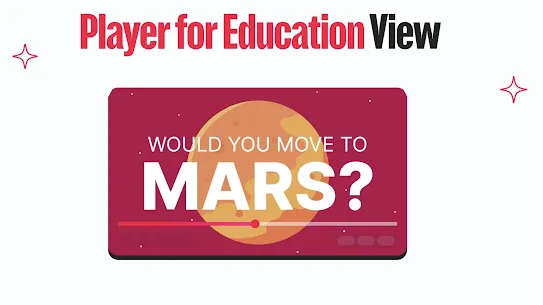
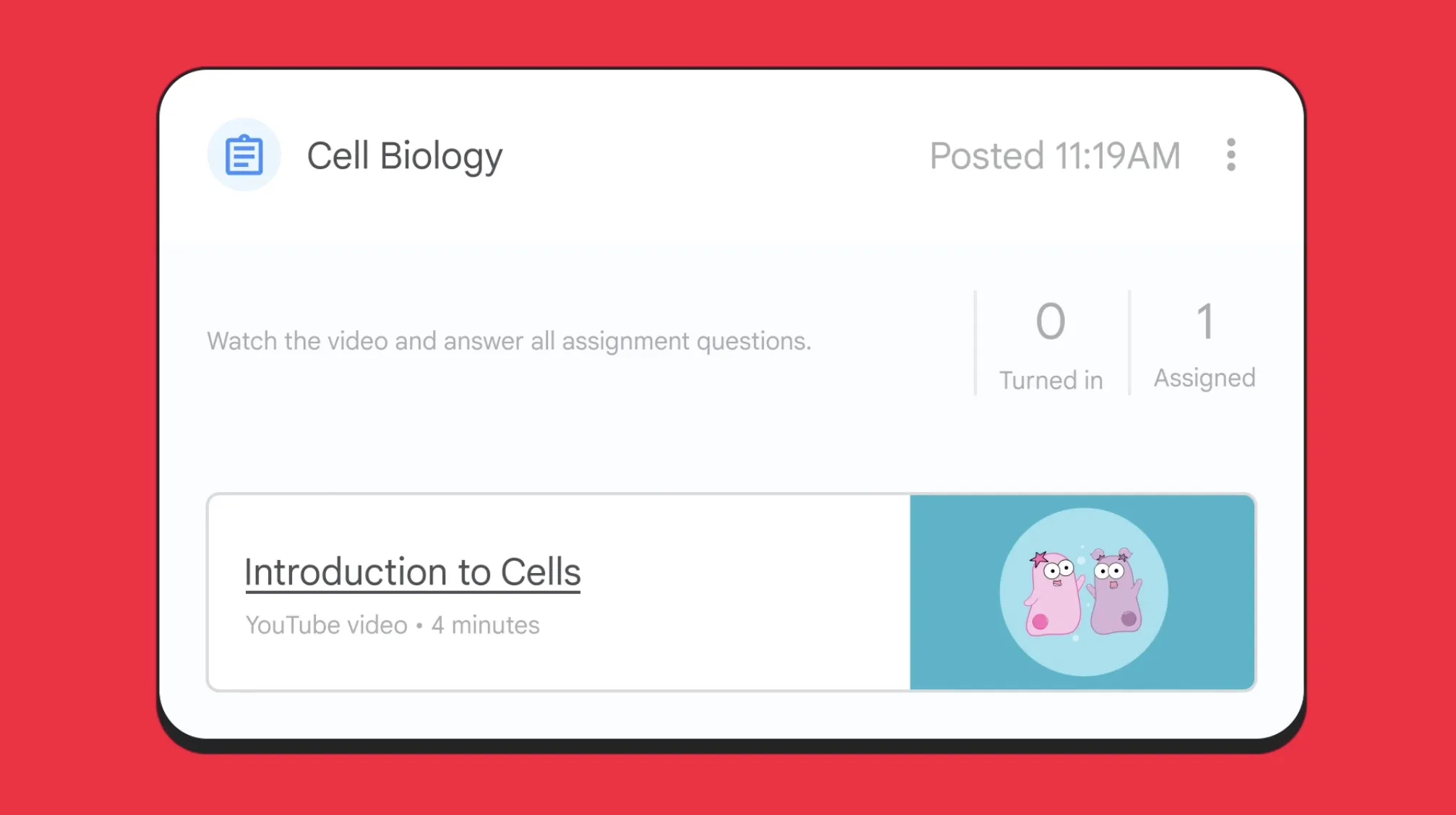
¿Tienes alguna pregunta? Nosotros tenemos las respuestas.
El reproductor de YouTube con fines educativos es la solución recomendada para docentes que quieren incluir vídeos de YouTube en sus unidades didácticas. Se trata de un reproductor de vídeo insertado que ofrece una experiencia de visualización simplificada y sin distracciones. Aunque YouTube esté inhabilitado para el alumnado o youtube.com esté bloqueado en la red del centro educativo, los docentes pueden insertar vídeos de manera que se abran utilizando el reproductor de YouTube con fines educativos. Si YouTube está inhabilitado o bloqueado para el alumnado, y los docentes solo insertan vídeos que se abren en el reproductor de YouTube con fines educativos, el alumnado solo verá los vídeos de YouTube que hayan preseleccionado sus profesores.
Consulta al administrador de TI de tu centro educativo para confirmar si las herramientas de tecnología educativa que se usan en tu centro se integran con el reproductor de YouTube con fines educativos y si YouTube está habilitado para docentes.
Para que la experiencia de visualización de YouTube esté totalmente libre de distracciones, añade los vídeos de YouTube mediante el reproductor de YouTube con fines educativos, que es el reproductor insertado predeterminado de algunas de las herramientas de tecnología educativa más populares.
Las herramientas de tecnología educativa que se integran con el reproductor con fines educativos de YouTube son:
- Canvas
- Classhook
- Edpuzzle
- Google Workspace for Education (incluido Google Classroom)
- Kahoot!
- Newsela
- Pear Deck
- Screencastify
- Seesaw
- Teachmint
- Wayground
- WeVideo
Nota: Esta lista puede cambiar con el tiempo. Consulta al administrador de TI de tu centro educativo para confirmar si las herramientas de tecnología educativa que se usan en tu centro se integran con el reproductor de YouTube con fines educativos.
El alumnado solo ve el vídeo de YouTube que ha preseleccionado su docente. La experiencia de visualización se ofrece simplificada y sin distracciones, lo que permite que el alumnado se centre en el contenido de la tarea.
Hemos creado una biblioteca de contenidos adaptados a los estándares curriculares para docentes de Estados Unidos. Es una colección que no para de crecer y en ella encontrarás cientos de vídeos educativos de alta calidad y adaptados a los estándares curriculares estatales y nacionales de Estados Unidos. Puedes usar las opciones de filtro que se proporcionan (materia, curso o tema) para encontrar los vídeos que mejor se adapten a tus necesidades.
Además, ofrecemos contenidos educativos atractivos y de alta calidad en este sitio web, que es una biblioteca de canales y vídeos seleccionados para ayudar al alumnado de primaria y secundaria en el aprendizaje de una amplia variedad de materias.
También puedes seguir estas prácticas recomendadas para buscar contenido:
- Busca en YouTube partners educativos conocidos, como Amoeba Sisters, Khan Academy, CrashCourse, Math with Mr. J, Black Girls Code, TED-Ed y Ken Burns.
- Busca canales que tengan la pestaña "Cursos". Los creadores que usan la función Cursos de YouTube han creado listas de reproducción estructuradas con objetivos de aprendizaje definidos, cuestionarios, barras de progreso y archivos adjuntos descargables, como unidades didácticas y hojas de trabajo.
Si se bloquean algunos vídeos cuando navegas por youtube.com, significa que el administrador de TI de tu centro educativo ha aplicado restricciones de contenido en la red del centro o en tu cuenta de Google Workspace for Education para enseñanza primaria y secundaria, o que estás intentando acceder a contenido no apto para menores.
Nota: Los usuarios menores de 18 años no pueden ver ni acceder a contenido no apto para menores en YouTube.
Si quieres inhabilitar las restricciones de contenido de youtube.com de un vídeo concreto y tu centro educativo proporciona cuentas de Google Workspace for Education a los docentes, primero debes comprobar si tu administrador les ha dado permiso a estos últimos para quitar las restricciones de vídeos concretos. Si tienes permiso para aprobar vídeos, en la parte inferior del vídeo bloqueado verás el mensaje "Este vídeo no está aprobado para verlo en ytedu-learning" y el botón "Aprobar" al lado. Cuando hagas clic en "Aprobar", se añadirá a la lista de vídeos permitidos.
Nota: Cuando añades un vídeo a la lista de permitidos, pasa a estar disponible para todos los usuarios de Google Workspace for Education de enseñanza primaria y secundaria que tengan YouTube habilitado.
Los usuarios valoran la transparencia en lo que respecta al contenido generado por IA. YouTube mostrará etiquetas en el contenido generado o alterado con IA. El contenido fotorrealista y el generado por IA o alterado de forma significativa con IA tiene una etiqueta visible en el reproductor de vídeo o debajo de él, mientras que al resto del contenido de IA se le añade una etiqueta en la descripción. Haz clic aquí para obtener más información sobre cómo está mejorando YouTube las etiquetas de IA para usuarios y creadores.
Aunque ambas herramientas se basan en estándares educativos, se utilizan en fases distintas del flujo de trabajo de enseñanza. En concreto, la diferencia radica en que una se usa para impartir clases y la otra para evaluar el aprendizaje. La biblioteca de vídeos de YouTube está adaptada a los estándares curriculares y puede ser tu recurso de referencia para planificar las clases y la enseñanza directa; en ella encontrarás vídeos de alta calidad y seleccionados con mimo para ayudarte a introducir o reforzar conceptos. Todos los vídeos responden a los objetivos de aprendizaje básicos de ciencias, lengua, matemáticas y habilidades para la vida. Los objetivos de aprendizaje de Google Classroom (así como funciones de etiquetado similares de otras herramientas) se han diseñado para evaluar, calificar y hacer un seguimiento del progreso, ya que te permiten adjuntar estándares educativos oficiales directamente a las tareas y las rúbricas. En última instancia, estos sistemas funcionan de forma conjunta: puedes buscar el mejor contenido para enseñar un tema concreto en la biblioteca de YouTube y usar los objetivos de aprendizaje de Google Classroom para evaluar y hacer un seguimiento del dominio que tienen tus alumnos sobre ese tema.
Ponte en contacto con el departamento de asistencia técnica o el administrador de TI de tu centro educativo.
YouTube for Education es un programa específico y una entidad de marca que centraliza los recursos, las herramientas, la selección de contenidos, las colaboraciones y las iniciativas educativas de YouTube para docentes y administradores. Incluye funciones como el reproductor de YouTube con fines educativos, un reproductor integrado que permite a los centros educativos emitir contenido de YouTube en herramientas de tecnología educativa aprobadas con mejores controles de privacidad y sin interrupciones comerciales.
YouTube for Education representa a YouTube (youtube.com), que funciona como una plataforma independiente con términos de servicio propios. A diferencia de los servicios principales de Google Workspace for Education (como Google Classroom o Documentos de Google), YouTube se considera un servicio adicional (no principal) para las cuentas de Workspace for Education. Esta distinción ayuda a los responsables de los centros educativos y a los docentes a entender claramente cómo se aplican los requisitos de gobernanza de la privacidad de los datos y los requisitos de consentimiento parental al utilizar recursos de YouTube en el aula. Consulta más información sobre las categorías de servicios disponibles para los usuarios de Google Workspace for Education.