

Guide de YouTube
pour les enseignants
YouTube peut être un outil pédagogique puissant.
Accédez à des ressources vidéo conformes au programme,
à des guides pratiques simples et à des FAQ conçues pour
aider les enseignants qui choisissent d'utiliser des vidéos
YouTube dans leurs cours.
Découvrez comment utiliser les outils YouTube spécialement conçus pour les enseignants
Privilégiez la concentration des élèves pendant l'enseignement en direct
Montrez des vidéos via Player for Education de YouTube
Pour montrer des vidéos YouTube en classe, nous vous recommandons d'utiliser Player for Education de YouTube, un lecteur vidéo directement intégré dans les outils de technologie éducationnelle les plus fréquemment utilisés.
Fournissez une expérience de visionnement sans distraction
Le lecteur Player for Education de YouTube offre une expérience de visionnement simplifiée fournissant également plus de mesures de protection de la confidentialité des élèves. Dans cette expérience, le lecteur n'affiche pas d'annonces ni de recommandations, et n'inclut pas de liens redirigeant vers YouTube.
Intégrez des vidéos dans Google Présentations
Le lecteur Player for Education de YouTube est intégré directement dans Google Présentations. Vous pouvez ainsi rechercher en toute fluidité les vidéos dont vous avez besoin, ajuster les estampilles temporelles de début et de fin, prévisualiser les vidéos et préparer une expérience pédagogique sans distraction pour vos élèves.

Link to Youtube Video (visible only when JS is disabled)
Maintenez la concentration des élèves sur leurs devoirs

Link to Youtube Video (visible only when JS is disabled)
Ajoutez des vidéos aux devoirs avec le lecteur Player for Education de YouTube
Lorsque vous créez des devoirs pour les élèves contenant des vidéos YouTube à lire, il est recommandé de les intégrer à l'aide du lecteur Player for Education de YouTube.
Focalisez l'attention des élèves sur du contenu présélectionné
Lorsque vos élèves regardent des vidéos intégrées avec le lecteur Player for Education de YouTube, l'expérience de visionnement simplifiée leur permet de voir uniquement la vidéo pédagogique attribuée, sans aucune annonce ni recommandation.
Une expérience facilement accessible dans les outils de technologie éducationnelle les plus fréquemment utilisés
Le lecteur Player for Education de YouTube est intégré à certains des outils de technologie éducationnelle les plus couramment utilisés. Si votre établissement scolaire utilise ces outils et que la plateforme YouTube est activée pour les enseignants, nous vous recommandons d'intégrer les vidéos YouTube à lire pour les devoirs des élèves à l'aide du lecteur Player for Education de YouTube. Cela garantira de diriger les élèves vers une expérience de visionnement ciblée uniquement sur le contenu que vous leur avez attribué.
Favorisez l'apprentissage indépendant avec des garde-fous
Comprenez les commandes des comptes YouTube des élèves
Si la plateforme YouTube est autorisée pour les élèves de votre établissement scolaire et qu'ils accèdent à YouTube par le biais de leur compte Google Workspace for Education, ils navigueront sur YouTube à partir d'un compte d'élève. Sur les comptes d'élèves, certaines fonctionnalités YouTube sont désactivées, et l'administrateur technique de votre établissement scolaire peut appliquer des paramètres de contenu définis par tranches d'âge.
Remarque: L'administrateur technique de votre établissement scolaire peut choisir de désactiver YouTube pour les élèves ou de bloquer youtube.com sur le réseau de votre établissement scolaire. Dans ce cas, les élèves ne pourront voir que les vidéos YouTube que les enseignants leur montreront et qu'ils leur attribueront en les intégrant à l'aide du lecteur Player for Education de YouTube.
Assurez-vous que les élèves voient du contenu approprié à leur âge
Que les élèves fassent des recherches pour un projet ou qu'ils approfondissent un sujet complexe, ils peuvent parcourir la vaste bibliothèque de ressources pédagogiques de YouTube sur la base des paramètres de contenu choisis par l'administrateur technique de votre établissement scolaire.
Maintenez la concentration des élèves sur leur tâche grâce à un accès limité aux fonctionnalités
Les comptes YouTube gérés par l'administrateur de votre établissement scolaire pour les élèves de moins de 18 ans maintiennent un environnement d'apprentissage protégé grâce à la désactivation de certaines fonctionnalités. Les élèves ne pourront pas voir les commentaires publiés par d'autres utilisateurs ni publier de commentaires eux-mêmes, et ils n'auront pas accès au clavardage en direct. Les expériences telles que la création et la publication de vidéos, l'organisation et le visionnement de diffusions en direct, les achats ainsi que l'accès aux applis autonomes, comme YouTube Music, Studio, TV et VR sont toutes désactivées.

Link to Youtube Video (visible only when JS is disabled)
Votre bibliothèque de contenu conforme aux normes pédagogiques
Nous avons établi des correspondances entre des centaines de vidéos YouTube pédagogiques et des normes pédagogiques des États ou du pays (États-Unis), ce qui vous permet d'accéder rapidement et facilement à du contenu adapté aux besoins de votre programme. Filtrez ces vidéos par matière, par niveau et par sujet pour trouver du contenu adapté à vos cours.
-

Math - Probability concepts
Theoretical vs Experimental Probability - Flipping Coin Results Revealed
-

ELA - Reading: Literature
How to find themes (A Wrinkle in Time): Crash Course Kids Literature #3
-

Math - Linear models with data
Linear Regression in 2 minutes
-
Math - Linear models with data
Simple Linear Regression: An Easy and Clear Beginner’s Guide
-

ELA - Reading: Literature
#9 Citing Textual Evidence During Reading (Reading Comprehension)
-

Math - Dependent and independent variables
Introduction to Algebra: Using Variables
-

Math - Probability concepts
What Is Comeback Probability In Soccer's Trailing State?
-

Math - Probability models
Theoretical Probability With Data - Interpreting Graphs for Probability
-

Math - Linear models with data
Linear models example 1 | Algebra I
-

Math - Probability models
Probability Introduction
-

Math - Comparing populations
Statistics Unit - Lesson 7: Comparing Populations
-

Math - Association vs. causation
Correlation vs Causation (Statistics)
-

Math - Probability concepts
Probability for Kids
-
Math - Comparing populations
Comparing Data Sets Using Mean & MAD
-

Science - Earth's Systems
The Rock Cycle Song
-

Math - Probability concepts
Probability! | Mini Math Movies
-

Math - Probability models
Do You REMEMBER How Probability WORKS?
-

Science - Energy
Law of Conservation of Matter: Why Mass Never Disappears | Middle School Science
-

ELA - Reading: Literature
Understanding theme | Reading | Khan Academy
-

Math - Scatter plots
Types of Relationships in Scatter Plots
-

Math - Probability concepts
Basic Probability
-

Math - Probability concepts
Basic Concepts, Types And Rules Of Probability In Statistics - Key Probability Terms
-
ELA - Language
DANGLING & MISPLACED MODIFIERS | English Lesson
-

Math - Probability models
PROBABILITY MODEL MATH ACTIVITY!
-

Math - Probability concepts
Theoretical & Experimental Probability -What's The Chance of that?
-

Math - Probability concepts
Probability Part 1: Rules and Patterns: Crash Course Statistics
-

ELA - Reading: Literature
Metaphor, Simile, Personification, Hyperbole | Figurative Language Lesson
-

Math - Linear models with data
Why Linear regression for Machine Learning?
-

ELA - Reading: Informational Text
Evaluating a source’s reasoning and evidence | Reading | Khan Academy
-

Math - Probability concepts
Probability: The Basics EXPLAINED with Examples
-

Math - Probability concepts
Experimental vs Theoretical Probability
-

Math - Association vs. causation
Causality (and the difference to correlation) simply explained
-

Math - Association vs. causation
Correlation Is Not Causation
-

ELA - Reading: Informational Text
Evaluating Arguments
-
ELA - Reading: Informational Text
Cause and Effect | Reading Strategies | EasyTeaching
-
7 Hidden Signs Someone Is Secretly Unhappy
-

Math - Two-way tables
Mastering Bivariate Data Interpretation with Two-Way Tables | Math Lesson with Examples
-

Math - Function representations
How to Graph Exponential Functions
-

ELA - Language
Vague Pronoun References Video
-
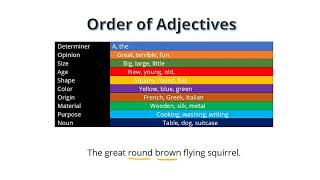
ELA - Language
Comma Series: Coordinate Adjectives
-

Why Taking Challenging Classes in High School Matters
-

Math - Comparing populations
Measures of Center & Variability
-
Math - Expressions and Equations
Factoring Expressions
-

CONFLICT RESOLUTION for Children Assertive Aggressive Passive Passive-Aggressive
-

ELA - Reading: Literature
Cite textual evidence to support explicitly as well as inferences drawn from the text
-

ELA - Writing
Sequence of Events in a Story
-

Math - Measures of center
Mean Median Mode
-

Math - Linear vs. nonlinear functions
How to Choose a Major | Crash Course | How to College
-
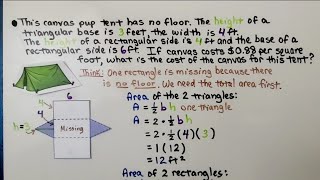
Math - Surface area, volume concepts
Surface Area of a Prism, Using Nets
-

Math - Linear vs. nonlinear functions
How to get the most out of high school summer (ALL grades)
-

Math - Functional relationships
Relations and functions | Functions and their graphs | Algebra II
-

How to overcome your mistakes
-

Math - Scatter plots
Scatter Graphs: Correlation
-

Want to make friends but you're shy?
-

ELA - Reading: Informational Text
Describe Connections Between Individuals, Events, Ideas, or Information
-

A Neuroscientist Explains How Breathing Impacts the Brain
-

Math - Two-way tables
Conditional Probability
-
Math - Scatter plots
Scatter Plots
-

Math - Population inferences
Understanding Statistical Inference - statistics help
-
Math - Comparing functions
Inverse functions!
-

ELA - Writing
7 RULES FOR FORMAL WRITING: Dos and Don'ts for Essay Writing
-
Social Emotional Learning For Kids: Benji, the Bad Day, and Me | Vooks Storytime
-

ELA - Language
Pronouns for Kids | Grammar for Elementary Students
-

Math - Compound events
Compound Events
-

Math - Expressions and Equations
SAT MATH: Equivalent Expressions • AceIt
-

How to Make a Decision
-

Math - Linear vs. nonlinear functions
5 Tips to Make Assertive Communication Easier and More Effective
-
Math - Linear vs. nonlinear functions
Linear and nonlinear functions (example 2)
-

Math - Linear vs. nonlinear functions
Job Interview Prep
-

Math - Linear vs. nonlinear functions
Advocating for Yourself & Likability #wellwithraele #communicationcoach
-

Wellbeing For Children: Identity And Values
-

Math - Linear vs. nonlinear functions
How To Find Your Passion - 11 Abilities (Which one is for you?)
-

Math - Scatter plots
How To Construct A Scatter Plot Graph - What Is A Scatter Plot Graph
-
ELA - Reading: Literature
How to find themes (A Wrinkle in Time): Crash Course Kids Literature #3
-

Math - Functional relationships
Is the Relation a Function
-

Math - Linear vs. nonlinear functions
Why Being Assertive & Advocating for Yourself Matters
-

Math - Probability models
Theoretical Probability
-

ELA - Language
How to Read a Dictionary Entry
-

Math - Congruence
Congruence and Transformations
-

ELA - Reading: Literature
Determining Central Ideas and Themes - Literary Analysis for Teens!
-

ELA - Reading: Informational Text
Point of View and Author's Purpose - Literary Analysis for Teens!
-

Math - Comparing functions
Comparing Properties of 2 Linear Functions
-

Math - Comparing functions
Transforming Algebraic Functions: Shifting, Stretching, and Reflecting
-
Math - Congruence
Congruence and Transformations
-

ELA - Reading: Literature
What is Theme?
-

How To Be A Better Friend To Others
-

Math - Comparing functions
Comparing Functions
-

Math - Linear vs. nonlinear functions
Linear vs. Non-Linear Functions
-

Math - Geometry: area of special quadrilaterals, area of triangles, similarity
Area of a Triangle
-
14 Effective Conflict Resolution Techniques
-

Math - Function representations
Representation of Functions
-
How to Enjoy High School
-

Math - Comparing functions
Comparing Functions: Linear, Exponential, Quadratic
-
ELA - Writing
How to write descriptively - Nalo Hopkinson
-

How miscommunication happens (and how to avoid it) - Katherine Hampsten
-

ELA - Writing
Interpreting Words and Phrases in Context - Literary Analysis
-

What is Self-Awareness + 5 reasons it's important
-

Math - Linear vs. nonlinear functions
How to Choose the Right Career Path in 7 Simple Steps
-

Math - Scatter plots
Scatter Plots
-

Math - Linear vs. nonlinear functions
Non-Linear Functions (1 of 2: Review of Parabola)
-

Math - Linear vs. nonlinear functions
Don’t go back to school before doing these 5 things.
-

Math - Functional relationships
Relations and Functions | Algebra
-

Math - Comparing functions
Comparing Functions
-

Tips to Overcome Public Speaking Anxiety and Nervousness in the Classroom
-
ELA - Reading: Informational Text
Describe Connections Between Individuals, Events, Ideas, or Information
-

Math - Linear vs. nonlinear functions
How to Choose A Career You Won’t Regret
-

ELA - Reading: Literature
Textual Evidence
-
Building Healthy Relationships (For Teens)
-

Teen Voices: Oversharing and Your Digital Footprint
-

Math - Scatter plots
What is the XY Scatter Plot
-

Math - Two-way tables
Learn to Construct and Interpret Two Way Tables
-

Math - Function representations
Graphing Algebraic Functions: Domain and Range, Maxima and Minima
-
How to Survive High School
-

Math - Linear vs. nonlinear functions
Linear & Nonlinear Functions
-
Anger Management Techniques For Kids - Strategies To Calm Down When Your Temper Rises
-
Math - Surface area, volume concepts
Will It Fit? Water Bottles and Volume of a Cylinder
-
What Teens Think About: Healthy Relationships
-

Math - Population inferences
Random Sampling and Population Inferences
-
Math - Congruence
Rigid Transformations and Congruence
-
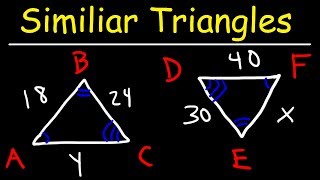
Math - Scale and similarity
Similar Triangles
-

Social Media, Social Life: Teens Reveal Their Experiences
-
Math - Linear vs. nonlinear functions
Self Advocacy
-

ELA - Writing
How To Format Dialogue in a Novel: 15 Must-See Tips (2024) 💬
-

HOW TO GET HOMEWORK DONE | Eight Tips to Procrastinate Less
-
Math - Expressions and Equations
Equivalent Expressions
-

Math - Linear vs. nonlinear functions
Middle School Career Exploration
-
Know Your Character Strengths
-

The Science of Emotion Regulation: How Our Brains Process Emotions
-
Math - Function representations
Functions Four Representations
-

Math - Linear vs. nonlinear functions
Linear vs. Nonlinear Functions
-
How To Know Yourself
-

Math - Linear vs. nonlinear functions
Navigating Teen Life | Top 5 Tips for Career Planning
-
ELA - Reading: Literature
Point of View and Author's Purpose - Literary Analysis for Teens!
-
Understanding Thoughts for Middle School Students | Child Mind Institute
-

Math - Functional relationships
Input and Output Tables (Function Tables) | Adding, Subtracting, Multiplying, and Dividing
-
Math - Linear vs. nonlinear functions
Self Advocacy - Social Emotional Lesson - Special Education Students
-

Math - Function representations
Connect Representations of Functions
-
Decision-Making Strategies
-

Math - Linear vs. nonlinear functions
Advocating for Yourself in School and Beyond (ft. Lucy della Penna)
-

Math - Expressions and Equations
Equivalent Expressions And Factoring
-

SOCIAL EMOTIONAL LEARNING VIDEO LESSON WEEK 9: SOCIAL AWARENESS!
-

ELA - Writing
How to Make Your Writing Sound Smarter (Informal vs. Formal Tone)
-

Math - Two-way tables
Conditional probability in one minute
-

Math - Linear vs. nonlinear functions
Linear or Nonlinear Functions (From a Table)
-

Math - Comparing functions
Compare Functions to Determine the Better Buy
-

Math - Scatter plots
Understanding Scatter Plots
-

Mindful Choices
-
Math - Scatter plots
Scatter Plots and Associations
-

Math - Functional relationships
Domain and Range Made Easy | Real-World Function Examples
-
Math - Geometry: area of special quadrilaterals, area of triangles, similarity
Area of a Triangle
-

Math - Measures of center
Measures of Center
-

Math - Comparing functions
Properties of Functions
-

Math - Functional relationships
Analyzing Functions
-

Math - Function representations
Pre-Algebra: Four Representations of Functions
-

ELA - Reading: Literature
Writing objective summaries
-

Math - Comparing functions
Comparing Functions
-

The 5-4-3-2-1 Method: A Grounding Exercise to Manage Anxiety
-

The Real Secret to Fighting Peer Pressure
-

Understanding Feelings for Middle School Students : Tips for Self-Awareness & Emotional Control
-

Don't Put People in Boxes
-

Math - Linear vs. nonlinear functions
5 Advice for Back to School Anxiety
-

ELA - Reading: Informational Text
Claims, Evidence, and Reasoning.
-

ELA - Reading: Literature
Looking back at the text for evidence | Reading | Khan Academy
-
Math - Functional relationships
Algebra 1 Writing Equations to Describe Functional Relationships
-

Math - Measures of center
Choosing Best Measure of Center
-

ELA - Reading: Literature
Explain how an author develops the point of view of the narrator or speaker in a text.
-

Math - Solving One Step Equations
How to Solve One Step Equations | Pre-Algebra Exercises
-

Math - Linear vs. nonlinear functions
How To Find Your Passion
-

ELA - Reading: Literature
Handout 3A: Plot and Character Development
-

The Importance of Empathy
-

50 things i wish i knew before starting high school | FRESHMAN ADVICE
-

Responsible Decision Making: Values
-

Math - Function representations
Investigating Non Linear Relations
-
Math - Similarity
Angle-Angle Similarity & Indirect Measurement
-

Math - Linear vs. nonlinear functions
Using Self-Evaluation to Choose a Career
-
ELA - Reading: Informational Text
Evaluating a source’s reasoning and evidence | Reading | Khan Academy
-

Math - Scatter plots
Scatter plots and lines of best fit!!
-

ELA - Reading: Literature
Plot - Understanding Story Structure
-

ELA - Writing
Claims and Counterclaims - Literary Analysis for Teens!
-
Math - Comparing functions
Compare Functions Video
-

ELA - Writing
Powerful Pacing - When and How To Change Your Story's Speed
-

ELA - Writing
Formal and Informal Writing - Understanding Writing Styles
-
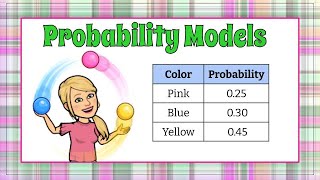
Math - Probability models
How to Create and Use Probability Models
-

ELA - Reading: Informational Text
5 Easy Ways to Spot Author's Purpose!
-

Science - From Molecules to Organisms
Interrelationships Between Human Body Systems | Science Lesson
-

ELA - Reading: Informational Text
Text Structure Techniques - Problem / Solution & Cause / Effect
-

ELA - Writing
Using Transitional Words — Everyday Writing with Coach Write
-

ELA - Reading: Informational Text
Making Connections in Reading
-

Science - Energy
Potential Energy vs Kinetic Energy
-

ELA - Reading: Literature
Settings - How They Influence Characters, Events, and Plot in a Story
-

ELA - Reading: Literature
Connotation and Denotation: How Do You Tell Them Apart?
-

ELA - Reading: Literature
Gr 7-12 | Readers Make Inferences - Lesson 1
-

ELA - Reading: Literature
The Importance of Setting in a Story | Educational Rap for Language Arts Class
-
ELA - Writing
Supporting an inference with logical reasoning and evidence | Reading | Khan Academy
-

Science - Motion and Stability: Forces and Interactions
How to think about gravity - Jon Bergmann
-

ELA - Reading: Literature
How to write comedy - Jodie Houlston-Lau
-

ELA - Reading: Literature
How to make your writing funnier - Cheri Steinkellner
-

ELA - Language
Two-Minute Lecture: What is a Dangling Modifier?
-

ELA - Language
How misused modifiers can hurt your writing - Emma Bryce
-
ELA - Writing
Introduction to Argument - Crafting an Argument with a Claim, Evidence, and Reasoning
-
ELA - Language
DANGLING & MISPLACED MODIFIERS | English Lesson
-

ELA - Writing
Expository Exploring: How To Write an Informative Essay
-

ELA - Writing
Argumentative Writing Unit - Lesson 4: Relevant Evidence
-

Science - Ecosystems: Interactions, Energy, and Dynamics
Food Chains Compilation: Crash Course Kids
-

Science - From Molecules to Organisms
Sensory Receptors
-

ELA - Reading: Literature
Point of View Fun
-

ELA - Writing
How to Transition Between Paragraphs and Sentences: Transition words with examples
-

Science - From Molecules to Organisms
Human Body Systems
-

ELA - Writing
Informative Essay | Purpose, Structure, and Examples
-

Science - Motion and Stability: Forces and Interactions
Weight, Force, Mass & Gravity | Forces & Motion | Physics | FuseSchool
-

ELA - Reading: Literature
Making inferences in literary texts | Reading | Khan Academy
-

ELA - Language
What is a misplaced modifier? - SAT Writing & ACT English Grammar Review
-

ELA - Language
Phrases and Clauses for Kids
-

Science - Motion and Stability: Forces and Interactions
Newton's Second Law Of Motion - How Force, Mass, And Acceleration Work Together
-

Science - Ecosystems: Interactions, Energy, and Dynamics
Food Chain for Kids – INTERACTIVE | Learn all about producers, consumers, and decomposers
-

ELA - Reading: Informational Text
Understanding the connection between people and events in texts
-

ELA - Reading: Informational Text
Author's Purpose - Understanding Why Texts Are Written
-

Science - From Molecules to Organisms
Biology - Cells /Tissues/Organs/Organ Systems - Specialization (Middle School Science)
-

ELA - Reading: Literature
Grade 4 English Q1 Ep9: Connotation and Denotation
-

Science - Motion and Stability: Forces and Interactions
Magnets | Magnetism | Physics | FuseSchool
-

Science - From Molecules to Organisms
11 Body Systems in 3 minutes
-

ELA - Language
Dangling modifiers | Syntax | Khan Academy
-
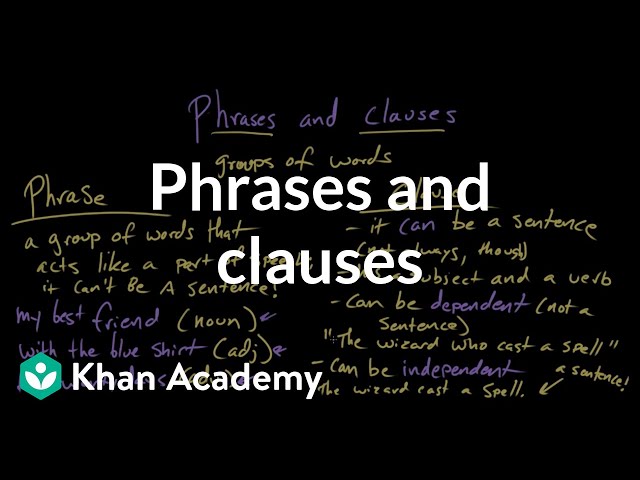
ELA - Language
Phrases and clauses | Syntax | Khan Academy
-

Science - Motion and Stability: Forces and Interactions
Newton's Second Law of Motion: F = ma
-

ELA - Reading: Informational Text
Author’s Purpose - Learn Why Authors Write
-

ELA - Writing
Make Your Writing Flow | Sentences: Transitions, Subordination, and Modification
-

Science - From Molecules to Organisms
Bioforge MS-LS1-3 Body Systems
-

Science - From Molecules to Organisms
Cells, Tissues, Organs, and Systems
-

Science - Ecosystems: Interactions, Energy, and Dynamics
Why is biodiversity so important? - Kim Preshoff
-

Science - Energy
Potential Energy Explained | Real-Life Examples and How to Calculate
-

ELA - Reading: Literature
Making inferences in informational texts | Reading | Khan Academy
-

ELA - Reading: Literature
Plot and Theme Development
-

Science - Motion and Stability: Forces and Interactions
Gravitational forces | Forces at a distance | Middle school physics | Khan Academy
-
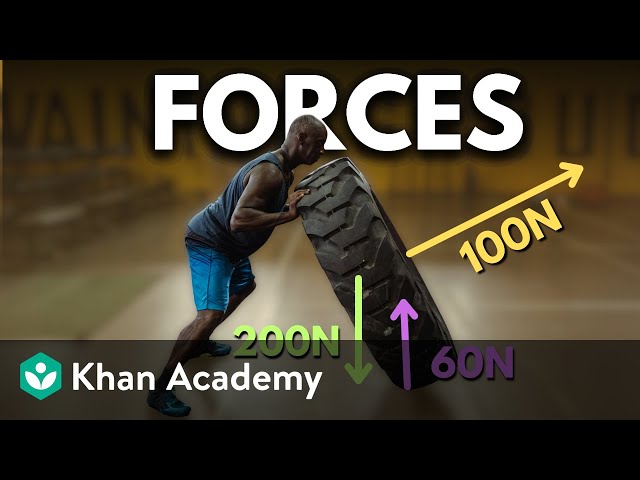
Science - Motion and Stability: Forces and Interactions
Forces | Middle school physics | Khan Academy
-

ELA - Reading: Literature
Finding Claims and Supporting Evidence in Informational Text
-
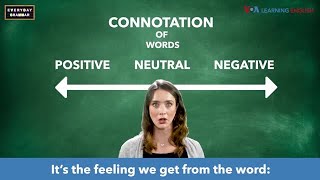
ELA - Reading: Literature
Everyday Grammar TV: Connotations
-

ELA - Reading: Literature
What's the Mood?
-
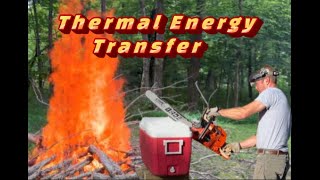
Science - Energy
Heat Transfer and How to Stop It
-

Science - Chemistry
5 Signs Of A Chemical Reaction - How To Identify Chemical Changes | Chemistry Study Guide
-

Math - Probability models
Theoretical vs Experimental Probability
-

Science - Chemistry
What Is An Atom And How Do We Know?
-

Science - Chemistry
What Is The Law of Conservation of Mass | Properties of Matter | Chemistry | FuseSchool
-

Science - Chemistry
Just How Small is an Atom?
-

Science - Motion and Stability: Forces and Interactions
Newton's Second Law | Forces & Motion | Physics | FuseSchool
-

Science - Chemistry
Solid, Liquid, Gas (States of Matter Song)
-
ELA - Reading: Literature
Everyday Grammar TV: Connotations
-

Science - Chemistry
GCSE Chemistry - States of Matter & Changing State
-

Science - Chemistry
Is this a CHEMICAL REACTION? | Chemistry | Chemical vs Physical changes
-

Science - Chemistry
States of Matter | Solid Liquid Gas
-
Science - Chemistry
Inside Atoms: Electron Shells and Valence Electron
-

Math - Linear equations in context
Slope intercept form explained
-
Science - Chemistry
Law of Conservation of Matter: Why Mass Never Disappears | Middle School Science
-

Math - Probability models
Experimental Probability
-
ELA - Reading: Literature
Everyday Grammar TV: Connotations
-

Science - Chemistry
Heat and Thermal Energy – Particle Movement
-
Science - Earth's Systems
Types Of Rocks | The Dr. Binocs Show | Learn Videos For Kids
-

Science - Chemistry
Protons, neutrons, and electrons in atoms | Chemistry | Khan Academy
-
ELA - Writing
Claims, Evidence, and Reasoning.
-
Science - Chemistry
Chemical Changes: Crash Course Kids #19.2
-
Science - Heredity: Inheritance and Variation of Traits
Mutations
-

ELA - Reading: Literature
Citing Textual Evidence - Literary Analysis for Teens
-

Science - Chemistry
What Is a Molecule?
-

Science - Waves and Their Applications
Analog vs. Digital As Fast As Possible
-

Science - Motion and Stability: Forces and Interactions
Force, Mass, and Acceleration: Newton's Second Law
-

ELA - Writing
What is Informational Text?
-

Science - Chemistry
Chemical reactions | Middle school chemistry | Khan Academy
-

Math - Surface area, volume concepts
Volumes of Cylinders and Prisms
-

Science - Earth's Systems
The Rock Cycle | Sedimentary, Metamorphic, Igneous | Learning Made Fun
-
ELA - Writing
Claims and Counterclaims - Literary Analysis for Teens!
-

ELA - Writing
Tone (Literary Device)
-

ELA - Writing
Claims, Evidence, Reasoning
-
Science - Ecosystems: Interactions, Energy, and Dynamics
DEMYSTIFIED - Producers, consumers, and decomposers | Discovery Education
-

Math - Surface area, volume concepts
How To Calculate Find The Volume of A Cube, Square Box, Rectangle, Cylinder, Cone, Sphere Or Ball
-

ELA - Reading: Literature
How to Create Suspense in Writing: Defining Plot!
-

Science - Chemistry
The Law of Conservation of Mass
-

Science - Chemistry
Difference between an Atom, a Molecule and a Compound
-
ELA - Reading: Literature
How to Write an INCITING INCIDENT
-

Science - Energy
Our World: Potential and Kinetic Energy by Adventure Academy
-

Science - Chemistry
What is a Molecule? | Science for Kids
-
ELA - Writing
Informative Essay | Purpose, Structure, and Examples
-

Science - Chemistry
Bill Nye The Science Guy on Chemical Reactions
-

ELA - Writing
How to Use Transition Words| Improve Your Writing Using Transitions
-

Science - Chemistry
7 Signs a Chemical Reaction is Taking Place
-

ELA - Reading: Literature
Dialogue Mistakes You Might Be Making (with Examples)
-

Science - Ecosystems: Interactions, Energy, and Dynamics
Ecological Relationships
-

ELA - Language
Glossary Skills for Kids | How to Use a Glossary | Twinkl USA
-

ELA - Language
How to Use a Dictionary
-

ELA - Language
Latin and Greek Root Words - Language Skills for Kids!
-

ELA - Writing
Story Sequencing For Kids!
-

ELA - Reading: Literature
Teaching Text Structures Easy | K-12
-

ELA - Reading: Literature
How to Write the Inciting Incident | Novel Writing Advice
-

ELA - Writing
Sequence of Events | English For Kids | Mind Blooming
-
ELA - Writing
Informative and Explanatory Writing
-

ELA - Language
Understand what you read: Emma’s pronoun trick!
-

Science - Ecosystems: Interactions, Energy, and Dynamics
Competition, predation, and mutualism | Middle school biology | Khan Academy
-

ELA - Reading: Literature
Figurative Language | Types of Figurative Language | What is Figurative Language?
-

ELA - Reading: Literature
Figurative Language: Hyperbole and Personification - Fun 6th-Grade Lesson on Descriptive Writing
-

ELA - Writing
7 Writing Exercises to Improve Your Dialogue
-

ELA - Reading: Literature
The structures of informational texts | Reading | Khan Academy
-

ELA - Language
Introduction to Greek and Latin Roots
-
ELA - Writing
How to Write a STRONG Thesis Statement | Scribbr
-

ELA - Writing
What is a main idea? | Reading | Khan Academy
-

Science - Earth and Human Activity
The infamous overpopulation bet: Simon vs. Ehrlich - Soraya Field Fiorio
-

ELA - Writing
How To Write An Essay: Thesis Statements
-
ELA - Reading: Literature
POEM vs PROSE! #PoetryDefined
-
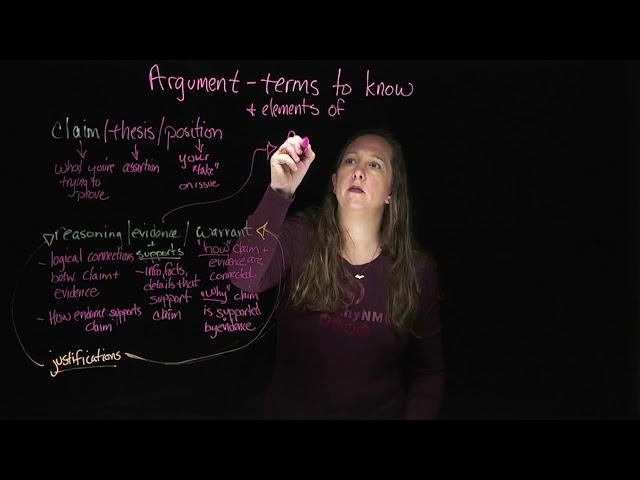
ELA - Writing
Argumentative Writing - Terms to Know
-

ELA - Language
Subject and Object Pronouns | Easy English Grammar Lesson | Simon Says Let's Learn English
-

ELA - Writing
Choosing a Topic - Planning Your Expository Essay
-

ELA - Language
“He and I” or “Him and me”? Learn the difference! (English Pronoun Rules)
-

ELA - Writing
Argumentative Writing
-
ELA - Language
Pronoun Reference | Sentence Structure | The Nature of Writing
-
ELA - Language
Grammatical person and pronouns | The parts of speech | Grammar | Khan Academy
-

Science - Ecosystems: Interactions, Energy, and Dynamics
Competition in an Ecosystem| Mutualism, Intraspecific, Interspecific, Relationships
-

ELA - Reading: Literature
Text Structure Explained Middle School ELA Nonfiction Lesson Identify Author’s Structure FAST
-

Science - Motion and Stability: Forces and Interactions
Accelerating Mass: F=ma
-

ELA - Writing
Introduction to Claim, Evidence, and Reasoning (CER)
-

ELA - Writing
How to Write a CLEAR THESIS Statement: Examples of a Thesis Statement
-
ELA - Writing
Finding Evidence to Support Opinions - Examples, Statistics, and Quotes
-

ELA - Reading: Literature
Compare and Contrast Text Structure - Comparing Ideas in Texts
-

ELA - Writing
Informative/Informational Writing For Kids! (Expository) Using Facts, Research, and Sources✏️📚💻
-

ELA - Language
Pronouns - Learn to Read for Kids!
-

ELA - Language
Identifying and correcting vague pronoun reference
-

ELA - Reading: Literature
Prose vs Poetry
-
ELA - Writing
Finding Claims and Supporting Evidence in Informational Text
-
Science - Earth and Human Activity
Human Population Growth and Consumption | Rap Video by SquidBooks
-

ELA - Writing
On Writing: How to Master Pacing!
-

ELA - Language
Latin and Greek roots and affixes | Reading | Khan Academy
-

ELA - Writing
A story's point of view | Reading | Khan Academy
-

ELA - Reading: Literature
Write better dialogue in 8 minutes
-

ELA - Reading: Literature
Story Structure Part 4: How to Write the Climax
-
ELA - Writing
First person vs. Second person vs. Third person - Rebekah Bergman
-

ELA - Reading: Literature
The Purpose of Dialogue in Literature
-

Science - Earth and Human Activity
Human impacts on the environment | Middle school Earth and space science | Khan Academy
-
Science - Earth's Systems
The Water Cycle - The Processes and Ecological Impacts of the Water Cycle
-

Science - Motion and Stability: Forces and Interactions
Potential Energy, Kinetic Energy and Collisions
-

Science - Energy
Heat Conductors and Insulators – A Demonstration
-

Science - Earth's Place in the Universe
To Scale: THE SOLAR SYSTEM
-
Science - Motion and Stability: Forces and Interactions
Forces and Motion – Collisions
-

Science - Waves and Their Applications
Light Absorption, Reflection, and Transmission
-

Science - Energy
GCSE Physics - Conduction, Convection & Radiation | How Heat Energy is Transferred (2026/27 exams)
-

Science - From Molecules to Organisms
Photosynthesis In The Ecosystem
-
Science - Waves and Their Applications
Behavior of Light | Reflection, Refraction, Absorption
-

Science - Chemistry
Natural and Synthetic Materials - How Humans Transform Nature’s Resources
-

Science - Energy
Potential and Kinetic Energy – Newton's Cradle
-
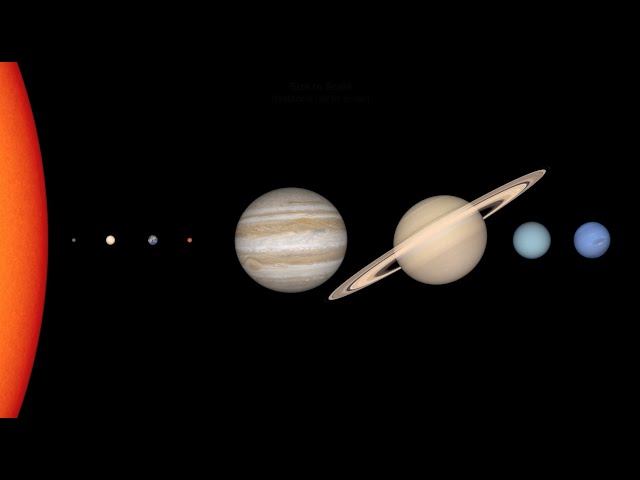
Science - Earth's Place in the Universe
Solar System Size and Distance
-

Science - Earth's Systems
Water Cycle | How the Hydrologic Cycle Works
-

Science - Earth and Human Activity
How Humans Change the Environment: Impact, Pollution, and Solutions
-
Science - Energy
The Difference Between Heat & Thermal Energy (Middle School Science)
-

Science - Energy
Thermal energy, temperature, and heat | Khan Academy
-

Science - Energy
Heat and Temperature
-
Science - Earth's Systems
Learning the Rock Cycle! | Acadia National Park
-

Science - Motion and Stability: Forces and Interactions
Newton's 3 Laws, with a bicycle - Joshua Manley
-
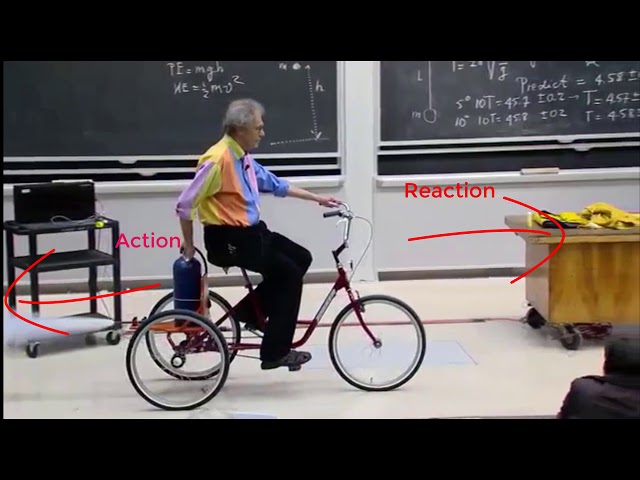
Science - Motion and Stability: Forces and Interactions
Newton's third law - Best Demonstration EVER !! - by Prof. Walter Lewin
-

Science - Energy
Thermal Energy
-

Science - Earth's Systems
Water Cycle Diagram- A Demonstration for Each Step of the Water Cycle
-
Science - Motion and Stability: Forces and Interactions
Newton's Third Law | Forces & Motion | Physics | FuseSchool
-

Science - Earth's Systems
Plate Tectonics Explained *SIMPLE and EASY*
-

Science - Energy
Thermos Project - Construct a device that minimizes thermal energy transfer
-

Science - Chemistry
The Chemistry of Clothes | California Academy of Sciences
-
Science - Earth and Human Activity
Human Impact on Resources - How We Affect and Protect Earth's Resources
-
Science - Earth's Systems
Tectonic Plates - What They Are & How They Work | Sea Floor Generation & Destruction (Middle School)
-

Science - Chemistry
What really happens to the plastic you throw away - Emma Bryce
-
Science - Chemistry
Natural and Synthetic Materials - How Humans Transform Nature’s Resources
-

Science - Chemistry
Diversity of Materials – Fabrics
-

Science - Energy
Collisions for Kids | Transfer of Energy | Science Lesson for Grades 3-5 | Mini-Clip
-

Science - Motion and Stability: Forces and Interactions
Collision is all around us! | MightyOwl Science | 4th Grade
-

Science - Earth's Place in the Universe
Planets in Our Solar System
-
Science - Energy
Temperature
-
Science - Earth's Place in the Universe
All the Planets from Inside in 3D
-

Science - Earth's Place in the Universe
How BIG Is Our Solar System? | Earth Science
-

Science - Earth and Human Activity
GCSE Biology - Maintaining Biodiversity | Reducing Environment Impact (2026/27 exams)
-

Science - Chemistry
Are Synthetic Fabrics *actually* the Worst? Unraveling History
-

Science - From Molecules to Organisms
Photosynthesis (UPDATED)
-

Science - Earth's Place in the Universe
How To Build A Solar System (To Scale) | Get On It | BBC Earth Kids
-

Science - From Molecules to Organisms
Animal cells vs plant cells | What's the difference? | Anatomy & function
-

Science - From Molecules to Organisms
Introduction to Cells: The Grand Cell Tour
-
Science - Energy
Heat Transfer | Conduction, Convection & Radiation
-
Science - From Molecules to Organisms
Photosynthesis and Cellular Respiration - Energy Cycle of Life
-

Science - From Molecules to Organisms
Parts of a Cell | Learn about the parts of plant and animals cells
-

Science - Energy
Heat Transfer – Conduction, Convection and Radiation
-

Science - Energy
Science Minute: Learn about thermal energy with a candle and balloon
-

Science - Waves and Their Applications
Reflection, Absorption, and Transmission of Waves
-

Science - Energy
Kinetics and Energy Transfer
-

ELA - Reading: Literature
DENOTATIONS & CONNOTATIONS | English Lesson
-

ELA - Reading: Literature
Story Structure 101: Elements of Strong Story Structure
-

ELA - Reading: Informational Text
Unit 2: The Central Idea of Informational Texts - How to Write a Thesis Statement
-

ELA - Reading: Informational Text
Finding connections between ideas within a passage | Reading | Khan Academy
-

ELA - Reading: Literature
Character change | Reading | Khan Academy
-

ELA - Reading: Literature
The elements of a story | Reading | Khan Academy
-

ELA - Writing
How to write better dialogue - School of English
-

ELA - Reading: Informational Text
Creating objective summaries | Reading | Khan Academy
-
ELA - Reading: Informational Text
Identifying Important Information in a Story | Reading Comprehension | Khan Academy Kids
-
ELA - Reading: Literature
Character change | Reading | Khan Academy
-

ELA - Reading: Informational Text
Main Idea | English For Kids | Mind Blooming
-

ELA - Reading: Literature
The ONLY Way to Plot a Novel (It's Easier Than You Think!) - VGFh_VckLFE
-

ELA - Writing
Everything's an Argument - Understanding Claims and Argumentative Writing
-
ELA - Reading: Informational Text
5 Easy Ways to Spot Author's Purpose!
-

ELA - Reading: Informational Text
How to Determine the Central Idea of Informational Text
-

ELA - Reading: Informational Text
Author's Purpose | English For Kids | Mind Blooming
-

ELA - Reading: Informational Text
Literary Analysis - Claims, Evidence, Reasoning
-
ELA - Reading: Informational Text
Finding connections between ideas within a passage | Reading | Khan Academy
-

ELA - Writing
How to Format Dialogue
-

ELA - Reading: Literature
How to make your writing suspenseful - Victoria Smith
-

ELA - Reading: Informational Text
Objective Summary Mini Lesson: Notes and Vocabulary
-

ELA - Reading: Literature
Connotation | Reading | Khan Academy
-

ELA - Reading: Literature
Character Perspectives
-

ELA - Reading: Informational Text
RI 8.6- Annotating a text to determine author's purpose and point of view
-

ELA - Reading: Literature
Idioms for Kids | Figurative Language Lesson
-
ELA - Reading: Informational Text
Finding Claims and Supporting Evidence in Informational Text
-
ELA - Reading: Informational Text
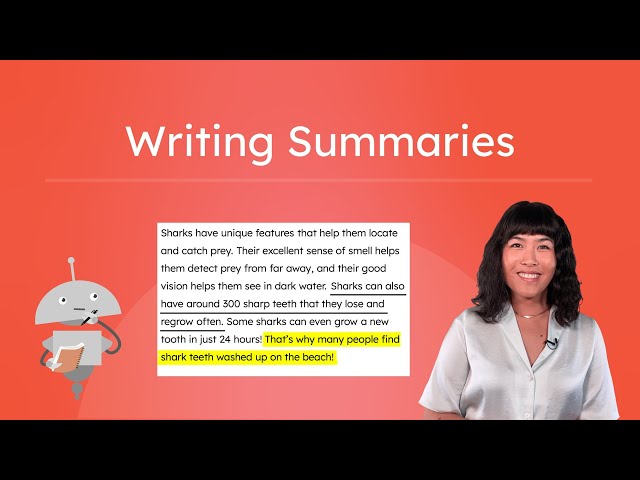
Writing Summaries - How To Write a Nonfiction Summary
-

ELA - Reading: Informational Text
Explaining ideas in informational texts | Reading | Khan Academy
-
ELA - Reading: Informational Text
How to write descriptively - Nalo Hopkinson
-

ELA - Reading: Literature
Analyzing Character Development for 6th Grade Middle School & Homeschool ELA Reading Comprehension
-

ELA - Reading: Literature
Analyzing Word Choice - Literary Analysis for Teens!
-
ELA - Reading: Literature
How to Write an Effective Summary Paragraph
-

ELA - Reading: Literature
Summarizing Informational Texts - Strategies for Summarizing
-
ELA - Reading: Informational Text
What is a main idea? | Reading | Khan Academy
-

ELA - Reading: Informational Text
Connecting the Dots: How Authors Develop Ideas, Events, and Individuals in a Text
-

ELA - Reading: Informational Text
Analyzing an author's purpose | Reading | Khan Academy
-

ELA - Writing
How to Write an Informative Text Body Paragraph | EasyTeaching
-

ELA - Reading: Literature
Analyze how a particular sentence, chapter, scene, or stanza fits into the overall structure
-

ELA - Reading: Literature
Analyzing tone through word choice | Reading | Khan Academy
-

ELA - Reading: Informational Text
Evaluate Arguments Like a Pro: Master Claims, Reasons & Evidence for Stronger Essays!
-
ELA - Reading: Informational Text
Introduction to Claim, Evidence, and Reasoning (CER)
-

ELA - Reading: Literature
Character Development in Writing | Creative Writing Lessons
-

ELA - Reading: Informational Text
Show, Don't Tell Writing Technique | EasyTeaching
-

ELA - Reading: Informational Text
What's the Author's Purpose - Student-Friendly Video Explains!
-
ELA - Reading: Literature
A story's point of view | Reading | Khan Academy
-
ELA - Reading: Informational Text
Analyze how a particular sentence, chapter, scene, or stanza fits into the overall structure
-

ELA - Reading: Informational Text
Finding the Main Idea: Reading Comprehension Lesson for Students
-
ELA - Writing
Expository Exploring: How To Write an Informative Essay
-

ELA - Reading: Informational Text
Arguments and Claims Terms & Definitions
-

ELA - Reading: Literature
How to Determine a Writer's Tone
-

Science - Earth and Human Activity
Natural hazards | Earth and society | Middle school Earth and space science | Khan Academy
-
Science - Waves and Their Applications
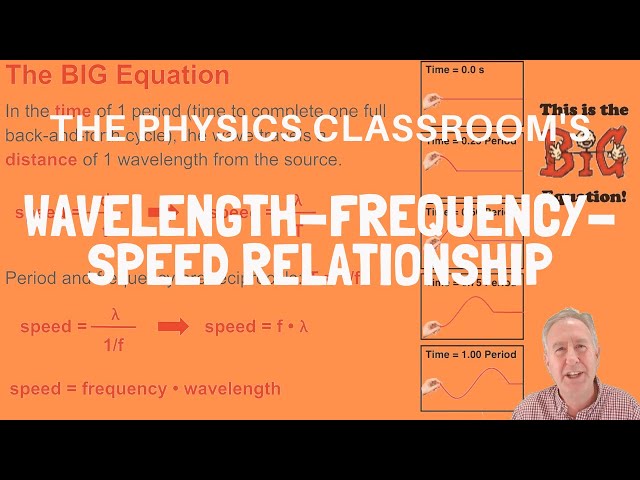
Wavelength-Frequency-Speed Relationship
-

Science - Earth and Human Activity
What Exactly is a Natural Hazard?
-

Science - From Molecules to Organisms
Cellular Metabolism - Photosynthesis and Cellular Respiration Explained
-

Science - Earth and Human Activity
Preparation for Natural Hazards Explained | Earthquakes, Volcanoes & Tropical Storms| GCSE Geography
-

Math - Radicals
What are Square Roots?
-

Math - Dependent and independent variables
Relationships & the Coordinate Plane | 6.EE.C.9 | Grade 6 Math 💜💙
-

Science - Earth's Place in the Universe
One big reason that life on Earth exists - Elise Cutts
-

Science - Earth's Place in the Universe
How Day & Night Work | How the Seasons Work (Middle School Science)
-

Science - Earth's Place in the Universe
Moon Phases | Why Does The Moon Change Shape?
-

Science - Energy
How To Calculate Kinetic Energy: Simple Formula & Easy Examples | Tadashi Science
-

Math - Radicals
Beginner Guide To Simplifying Radicals
-

Math - Radicals
Variables, Expressions, and Equations
-

Science - Earth's Place in the Universe
Earth's Rotation & Revolution: Crash Course Kids 8.1
-

Math - Dependent and independent variables
Learn Functions, Independent & Dependent Variables -[6-6-23]
-

Science - From Molecules to Organisms
Cellular respiration | Food and energy in organisms | Middle school biology | Khan Academy
-
Math - Inequalities
Algebra Basics: Inequalities In Algebra - Math Antics
-

Math - Dependent and independent variables
Identifying Variables and Graphing
-
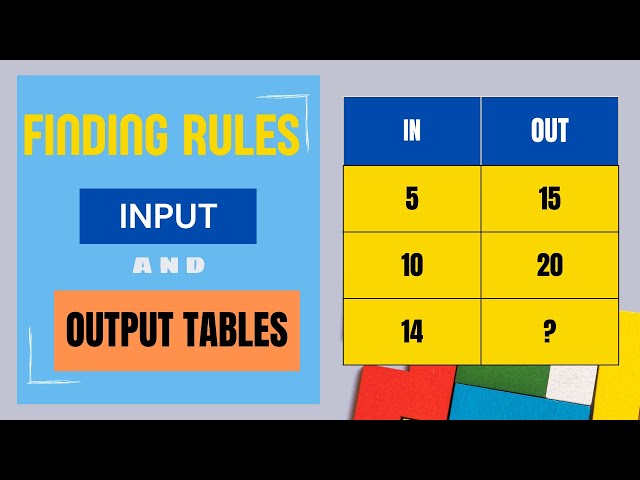
Math - Dependent and independent variables
Input & Output Tables | Part 1 Rules & Missing Values (Multiplication & Addition)
-

Science - Waves and Their Applications
Wave Equation | Waves | Physics | FuseSchool
-

Science - Earth's Place in the Universe
Moon Phases: Crash Course Astronomy #4
-

Advisory - Self Awareness: Growth mindset
LearnStorm Growth Mindset: The Truth About Your Brain
-

Math - Unit rate
Unit Rates | Solving Unit Rate Problems
-

Advisory - Organization skills and time management
Planning & Organization: Crash Course Study Skills #4
-

Math - Linear models
Scatter Plots & Lines of Fit
-
ELA - Writing
How to make your writing suspenseful - Victoria Smith
-

ELA - Reading: Literature
Making Inferences for Kids | What is an Inference? | How to Teach Inferencing in Literacy #literacy
-
Math - Dependent and independent variables
Independent, Dependent and Controlled Variables
-

ELA - Reading: Literature
Twists and Turns: Narrative Structure - Elements of Plot
-

Math - Inequalities
GCSE Maths - Solving Inequalities by Plotting them on a Graph (Inequalities Part 4)
-

ELA - Writing
The Secret to Strong PACING (it's actually really simple)
-

Science - Earth and Human Activity
Earthquakes & Volcanoes - the Story of Earth as a Violent Place | Down to Earth
-

ELA - Reading: Literature
Inference
-

ELA - Reading: Literature
Plot Structure: The Building Blocks to Every Story
-
Math - Inequalities
Graphing Systems of Linear Inequalities
-

Advisory - Being in tune with your own emotions
Claim Your Emotions: How to Identify and Name What You're Feeling
-

Math - Inequalities
LINEAR INEQUALITIES GRAPHING EXPLAINED!
-

Advisory - Self Awareness: Growth mindset
How A Growth Mindset Will Change Your Life | Mindset by Carol Dweck
-

Math - Inequalities
How to Solve One-Step Inequalities | Math with Mr. J
-

ELA - Reading: Literature
In on a secret? That's dramatic irony - Christopher Warner
-
ELA - Reading: Literature
Supporting an inference with logical reasoning and evidence | Reading | Khan Academy
-

Math - Radicals
How to Simplify Radicals With Variables, Exponents, & Cube Roots
-

ELA - Reading: Literature
What Is Theme? | 5-Minute ELA Mini Lesson for Middle & High School Students
-

Math - Unit rate
Find Unit Rate
-

ELA - Reading: Literature
The EASY Way to Identify THEME!
-

Math - Unit rate
Solve Unit Rate Problems
-
ELA - Reading: Literature
Using The 5 Ws and the Bonus H to make summaries | Reading | Khan Academy
-
Science - Earth and Human Activity
Natural Hazards (Middle School Science)
-
ELA - Reading: Literature
Making inferences in literary texts | Reading | Khan Academy
-
Advisory - Being in tune with your own emotions
Why do we feel emotions?
-

Science - Earth's Systems
The Rock Cycle - How Rocks Change Over Time
-

ELA - Reading: Literature
What is Irony? Exploring Situational, Dramatic, and Verbal Irony
-

Math - Inequalities
Solving a system of inequalities by graphing and shading
-

Advisory - Self Awareness: Growth mindset
The Neuroscience of Learning
-

Math - Radicals
Simplifying Square Roots
-
ELA - Writing
How to Make Your Writing Sound Smarter (Informal vs. Formal Tone)
-

Science - Earth and Human Activity
Forecasting Natural Hazards | Rap Video by SquidBooks
-

Advisory - Self Awareness: Growth mindset
Growth Mindset (Part 1 of 3) | In Control Middle School SEL
-

How i study SMART, not HARD (high school students must watch)
-

Math - Radicals
Adding and Subtracting Radicals with Variables
-
ELA - Reading: Literature
The EASY Way to Identify THEME!
-

Math - Systems of equations
Systems of Linear Equations (Word Problems)
-
Advisory - Being in tune with your own emotions
How Healthy People Regulate Their Emotions
-

Math - Systems of equations
Solve Linear Systems with Graphing
-
ELA - Reading: Literature
Understanding theme | Reading | Khan Academy
-
Math - Systems of equations
Solving Systems of Linear and Quadratic Equations
-

Advisory - Self Awareness: Growth mindset
Developing a Growth Mindset
-

Advisory - Self Awareness: Growth mindset
Growth Mindset
-

Science - Earth and Human Activity
Climate: Climate Change and Greenhouse Gases | Science Trek
-
ELA - Reading: Literature
#9 Citing Textual Evidence During Reading (Reading Comprehension)
-

Math - Radicals
Simplifying Complex Radical Expressions
-

ELA - Reading: Literature
Inferring | Reading Strategies | EasyTeaching
-

Math - Systems of equations
Solving Systems of Equations Elimination Method
-

ELA - Writing
Formal Tone in Writing
-

Math - Generating equivalent expressions
Equivalent Expressions | The Math Review
-

Math - Inequalities
01 - Graphing Inequalities in Two Variables, Part 1 (Solve, Graph & Shade Inequalities)
-
ELA - Writing
Powerful Pacing - When and How To Change Your Story's Speed
-

Math - Radicals
Solving Radical Equations
-

Advisory - Self Awareness: Growth mindset
This Is The Growth Mindset
-

Science - Waves and Their Applications
Wave properties | Middle school physics | Khan Academy
-
ELA - Reading: Literature
Understanding theme | Reading | Khan Academy
-

How to be Organized for School, College or Life [The 6 Habits of Highly Organized People]
-
Science - Earth's Place in the Universe
Moon Phases Explained (Animations and Timelapse)
-

Advisory - Self Awareness: Growth mindset
Growth Mindset vs. Fixed Mindset
-
Math - Dependent and independent variables
Input and Output Tables (Function Tables) | Adding, Subtracting, Multiplying, and Dividing - z2IBSAuImyk
-

Math - Generating equivalent expressions
What are Equivalent Expressions?
-

Math - Systems of equations
Solving Systems of Equations Step-by-step!
-

ELA - Writing
Write Interesting Dialogue | How Dialogue Really Works
-

Advisory - Being in tune with your own emotions
Circle Of Control Activity For Kids - Good Mental Health And Stress Management
-

ELA - Reading: Literature
Observations and Inferences
-

ELA - Reading: Literature
Making objective summaries of literary texts | Reading | Khan Academy
-
ELA - Reading: Literature
Determining the central idea of a text
-

ELA - Reading: Literature
What are the 3 types of dramatic irony?
-

ELA - Reading: Literature
Inferences and Textual Evidence
-
ELA - Writing
How to Transition Between Paragraphs and Sentences: Transition words with examples
-

Advisory - Being in tune with your own emotions
Everyday mindfulness | AboutKidsHealth at The Hospital for Sick Children
-

ELA - Writing
Bridging the Gap: How To Use Transition Words in Writing
-

Advisory - Being in tune with your own emotions
Automatic Negative Thoughts - Meet the ANT Buddies!
-
Planning & Organization: Crash Course Study Skills #4
-

ELA - Reading: Literature
Similes & Metaphors: Making Your Writing Pop! | Ms. Meg | Read, Write, ROAR!
-

Math - Converting measurements
Metric Units of Length | Convert mm, cm, m and km
-
Science - Ecosystems: Interactions, Energy, and Dynamics
Resource Competition (Middle School Science)
-

Science - Earth and Human Activity
Grade 7 Human and Natural Impacts on an Ecosystem
-

Science - Earth's Place in the Universe
Difference between a Solar and Lunar Eclipse
-

Science - Earth's Place in the Universe
Solar eclipses | The Earth-sun-moon system | Middle school Earth and space science | Khan Academy
-

Math - Generating equivalent expressions
Algebra Basics: The Distributive Property - Math Antics
-

Science - Ecosystems: Interactions, Energy, and Dynamics
Producers, Consumers, and Decomposers | Ecosystems
-

Science - From Molecules to Organisms
Photosynthesis (Middle School Science)
-

Science - Earth's Systems
What is global circulation? | Part One | Differential heating
-

Math - Ratio concepts
RATIO & PROPORTION
-

Science - Earth's Systems
What’s With Weather Fronts?
-

Science - Earth's Systems
Tectonic Plates: The Skin of Our Planet | Down to Earth | Da Vinci
-

Science - Earth's Systems
Plate Tectonics Explained
-

Math - Equivalent ratios
Equivalent Ratios
-

Science - Energy
STEMonstrations: Kinetic and Potential Energy
-

Math - Equivalent ratios
Equivalent Ratios
-

Science - Earth and Human Activity
Climate Change and Global Warming: Explained in Simple Words for Beginners
-

ELA - Writing
Argumentative Writing Unit - Lesson 3: Introduction Paragraphs
-

Science - Earth and Human Activity
Climate Change 101 with Bill Nye | National Geographic
-

Math - Linear equations in context
GCSE Maths - What on Earth is y = mx + c
-

Science - Earth and Human Activity
Climate change (according to a kid)
-

Math - Linear equations in context
How to Write and Solve Multi-Step equations from Word Problems | Math with TallTal
-

Math - Ratio concepts
Ratios Song
-

How to STUDY so FAST that it feels ILLEGAL
-

Math - Generating equivalent expressions
Simplifying Equations using Distributive Property | Expressions & Equations | Grade 6
-

Math - Writing equations from word problems
Unit 4, Lesson 9 Practice Problems (7th Grade Illustrative Math) IM 7.4.9
-

Science - Earth and Human Activity
Natural Vs Human Environments
-

Math - Writing expressions
Algebra Basics: What Is Algebra?
-

Math - Ratio concepts
Ratio to Fraction
-
ELA - Writing
Argumentative Writing
-
Science - Ecosystems: Interactions, Energy, and Dynamics
Carrying Capacity | Population Ecology
-

ELA - Writing
How to End and Transition a Paragraph with Closing & Concluding Sentences
-

Science - From Molecules to Organisms
The simple story of photosynthesis and food - Amanda Ooten
-

Math - Multi-step equations
Algebra – Solving Equations (word problem)
-
Science - Ecosystems: Interactions, Energy, and Dynamics
The carbon cycle | Middle school Earth and space science | Khan Academy
-

ELA - Writing
Discover How to Write a Counterclaim Paragraph & Defend with Rebuttal
-

Science - Earth's Systems
Plate Tectonics Explained | Plate Boundaries | Convection Currents
-

4 Ways To Get Organized
-

Math - Generating equivalent expressions
An Intro to the Distributive Property
-

4 Things We Learn From TeamWork
-

Science - Earth and Human Activity
How Do Greenhouse Gases Actually Work?
-
ELA - Reading: Literature
Dialogue - How Characters' Traits Are Revealed Through Dialogue
-
Science - Earth's Systems
Earthquakes & Volcanoes - the Story of Earth as a Violent Place | Down to Earth
-

Math - Writing equations from word problems
Solving Multi-Step Equations | Math with Mr. J
-
Science - Earth and Human Activity
What Is the Greenhouse Effect?
-

ELA - Writing
Argumentative Writing: Master Claim, Counterclaim, and Rebuttal for Essays and Debates
-

Science - From Molecules to Organisms
Cellular Respiration Explained | How Plants and Animals Get Energy!
-

The 7 Keys to Creative Collaboration
-

Math - Equivalent ratios
Using Ratio Tables To Find Equivalent Ratios/Rates
-

ELA - Writing
What is Sensory Language?
-

Science - Earth's Systems
Air Masses and Fronts - How They Affect Weather Patterns
-

Teen Voices: Friendships and Boundaries
-

Science - From Molecules to Organisms
Photosynthesis Equation
-

Teens Talk Relationships: Friendship Edition
-
Math - Converting measurements
Use Metric Conversions to Solve a Real World Problem
-

Math - Linear equations in context
Slope-Intercept Form y=mx+b
-

Science - Ecosystems: Interactions, Energy, and Dynamics
Energy Transfer in a Food Chain & The Cycling of Matter in Ecosystems
-
ELA - Reading: Literature
Analyzing tone through word choice | Reading | Khan Academy
-

Science - From Molecules to Organisms
The Photosynthesis Song
-

ELA - Reading: Literature
FIGURATIVE SPEECH for KIDS Similes, Metaphors and Hyperboles Literature for Kids Episode 1
-

Science - From Molecules to Organisms
The wacky history of cell theory - Lauren Royal-Woods
-

ELA - Writing
Conclusion Paragraphs - Wrapping Up Your Essay
-

Science - Earth and Human Activity
Photosynthesis & Respiration | Reactions | Chemistry | FuseSchool
-

The Three Requirements of a Good Relationship
-

Math - Equivalent ratios
Equivalent Ratio Word Problems
-

Backpack Organization Tips + Advice | How To Stay Organized Throughout the School Year
-

Science - Earth's Systems
Understanding Global Atmospheric Circulation
-

Watch this if you're avoiding homework
-

Science - Earth's Systems
The Sun's energy and Earth's weather | Middle school Earth and space science | Khan Academy
-

Advisory - Organization skills and time management
Top 3 Best Organization Tips For Students
-
Science - Earth's Place in the Universe
Solar Eclipse 101 | National Geographic
-
3 tips on how to study effectively
-

Math - Generating equivalent expressions
An Introduction to Combining Like Terms for Kids!
-

Cooperation vs Collaboration: When To Use Each Approach
-

Science - Earth's Systems
Radiation and heat transfer in the atmosphere
-

ELA - Writing
How to Write a Strong Essay Conclusion | Scribbr
-

Science - From Molecules to Organisms
Cell Theory - What Is the Cell Theory and Who Discovered Cells?
-

ELA - Reading: Literature
Character actions in stories | Reading | Khan Academy
-

Science - Ecosystems: Interactions, Energy, and Dynamics
Resources and population growth | Interactions in ecosystems | Middle school biology | Khan Academy
-

How to Talk to Girls, Boys and Everyone in Between
-

Science - Earth's Systems
Atmospheric Circulation - Heat Transfer, Wind Patterns, and the Coriolis Effect
-

What Makes A Relationship Healthy?
-
Math - Ratio concepts
3 ways to simplify ratios
-

7 Habits of Healthy Relationships
-
ELA - Reading: Literature
Analyzing Word Choice - Literary Analysis for Teens!
-

Math - Multi-step equations
Writing Equations from Word Problems
-

Math - Writing expressions
Translating Algebraic Expressions Part 1 - Algebra for Teens!
-

Math - Linear equations in context
Art of Problem Solving: Point-Slope Form
-

Math - Writing expressions
Write a Mathematical Expression from a Verbal Description
-

Math - Writing expressions
What is an Expressions in Math - Algebra 1
-

Advisory - Organization skills and time management
HOW TO STAY ORGANIZED IN SCHOOL | Back To Benjy Season 2: episode 1 | King Benjy
-

Math - Writing equations from word problems
Solving Multi-Step Equations the Easy Way | 8.EE.C.7 💗
-

Math - Writing equations from word problems
Multi-Step Equations - How to Solve
-
ELA - Writing
Show, Don't Tell Writing Technique | EasyTeaching
-

How to Have Healthy Relationships
-

Math - Writing expressions
TRANSLATING WORDS INTO ALGEBRAIC EXPRESSIONS
-

ELA - Writing
Descriptive Writing - Techniques for Creating Vivid Writing
-
ELA - Reading: Literature
Characters' thoughts and feelings | Reading | Khan Academy
-
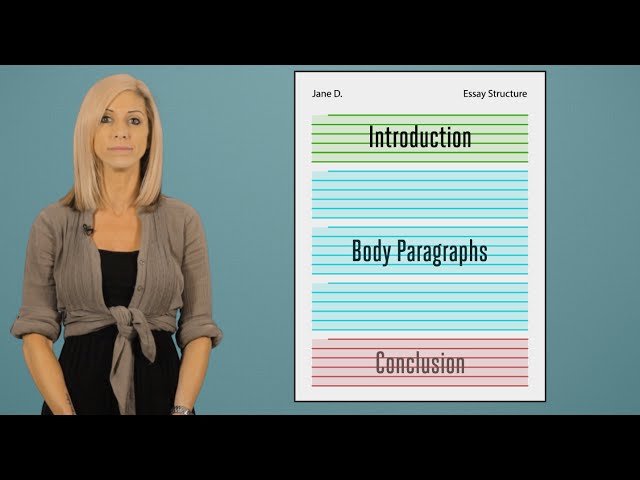
ELA - Writing
Argumentative Essays, Part 3: Structuring your Essay
-

Math - Writing expressions
Writing Algebraic Expressions
-

Math - Absolute value
Using Inequality Statements to Compare Values
-

Math - Distinguishing relationships
Tables & Graphs - Is There a Proportional Relationship?
-

Math - Scale drawings
GCSE Maths - Using Scales on Maps and Scale Diagrams
-

Math - Percent problems and complex percent problems
How to work out percentages INSTANTLY
-

Math - Scale drawings
How to Make a Scale Drawing
-

Science - Energy
GCSE Physics - Gravitational Potential Energy & Gravity | How to Calculate Weight (2026/27 exams)
-

Math - Absolute value
What is Absolute Value in Math? - Everything You Need to Know
-

Math - Absolute value
Absolute Value
-

Math - Absolute value
Introduction to Absolute Value
-
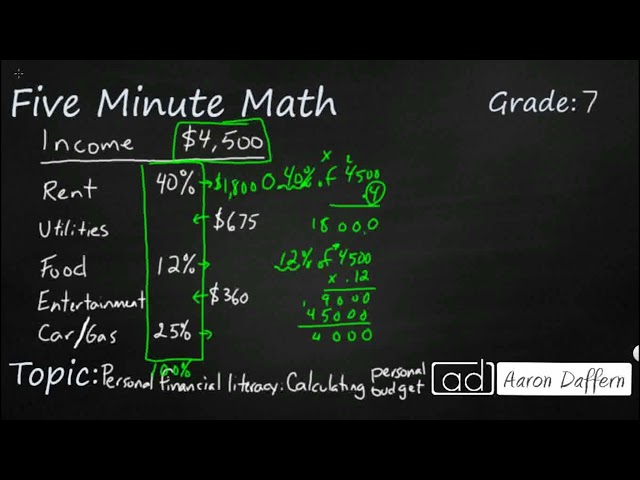
Math - Percent problems and complex percent problems
7th Grade Math Personal Financial Literacy: Calculating Personal Budget
-

Math - Percent problems and complex percent problems
6th Grade Accelerated Math | Percent Word Problems
-

Science - Earth's Place in the Universe
Lunar Eclipse | Why does the moon appear red?
-

Math - Absolute value
Absolute Value
-
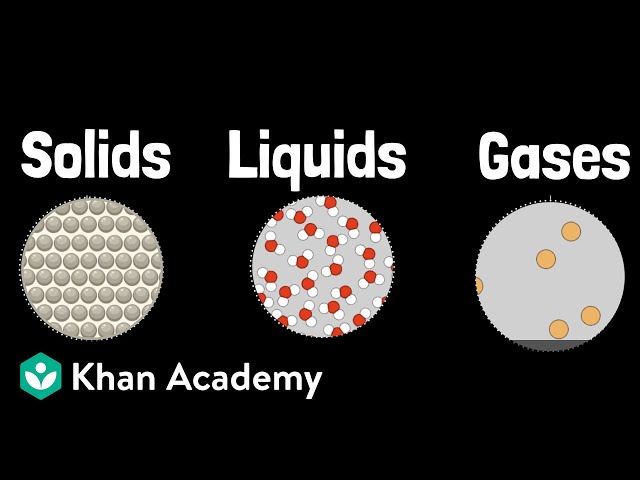
Science - Chemistry
States of matter | Middle school chemistry | Khan Academy
-
Math - Slope as unit rate
Find Unit Rate from a Graph
-
Math - Converting measurements
Intro to the Metric System
-

Math - Distinguishing relationships
Proportional and Non-proportional Graphs
-

Science - Chemistry
Heat capacity | Middle school chemistry | Khan Academy
-

Math - Converting measurements
Anywhere Math
-
Math - Distinguishing relationships
Proportional & Non-proportional Relationships
-
Science - Chemistry
States of matter | Middle school chemistry | Khan Academy
-

Science - Chemistry
Particle Motion in Matter
-

Science - Earth's Place in the Universe
Lunar Eclipses
-
Science - Earth's Place in the Universe
Lunar Eclipse 101 | National Geographic
-

Math - Slope as unit rate
Slope As Unit Rate
-

Math - Slope as unit rate
Rate of Change & Slope
-
Math - Percent problems and complex percent problems
Percent word problem example 1 | Ratios, rates, and percentages | 6th grade | Khan Academy
-

Math - Percent problems and complex percent problems
Percent of a Number using Proportional Relationships - Math with TallTal
-

Math - Percent problems and complex percent problems
GCSE Maths - Percentage Increase and Decrease (Multiplier Method)
-

Math - Percent problems and complex percent problems
6th Grade Math What is Percentage
-

Math - Scale drawings
Scale Drawings
-

Math - Scale drawings
Understanding Proportional Reasoning and Scale Drawings
-

Math - Scale drawings
Scale Drawings and Models
-

Math - Scale drawings
Solving Scale Drawings
-

Math - Slope as unit rate
Unit Rate as Slope
-

Science - From Molecules to Organisms
Relationship between Photosynthesis and Cellular Respiration
-

Math - Scale drawings
How to Find the Actual Size of a Scale Diagram
-

Math - Scientific notation and Integer exponents
Law of Exponents Song | Exponent Rules of Algebra Basics
-

Math - Absolute value
Absolute Value for 6th Grade | Learn how to solve absolute value equations
-

Math - Converting measurements
Measurement Conversions
-

Math - Absolute value
How to Find the Distance Between Two Numbers | Measuring Distance, Absolute Value
-

Math - Scale drawings
Scale Drawings
-

Math - Distinguishing relationships
Determining if Two Ratios are Proportional (3 Ways)
-

Math - Converting measurements
Metric System Conversions Song | Measurement Song for Kids
-

Math - Scientific notation and Integer exponents
Integer Exponents | 9 Properties of Exponents | Laws of Exponents [Animated]
-

Math - Percent problems and complex percent problems
How to Calculate a Discount and Sale Price | Math with Mr. J
-

How to Friend Fight - How to Middle School Ep. 4 | Shelf Stuff
-

Math - Percent problems and complex percent problems
Finding a Percentage of an Amount | GCSE Maths 2025 | 38/400
-
ELA - Reading: Literature
Making Inferences for Kids | What is an Inference? | How to Teach Inferencing in Literacy #literacy
-
Science - From Molecules to Organisms
The simple story of photosynthesis and food - Amanda Ooten
-
ELA - Reading: Literature
Differences between Main Idea - Topic - and Theme
-

Math - Scientific notation and Integer exponents
Scientific / Standard Notation "Decode It" Music Video
-

ELA - Writing
Building Tension in Narrative Writing | EasyTeaching
-

Math - Scientific notation and Integer exponents
Scientific Notation Explained
-
ELA - Writing
How to Write a STRONG Thesis Statement | Scribbr
-

ELA - Writing
What is Point of View?
-

Your identity is your superpower | America Ferrera
-
ELA - Reading: Literature
Analyzing Character Development for 6th Grade Middle School & Homeschool ELA Reading Comprehension
-

ELA - Reading: Literature
Allusions
-

Gender Roles and Stereotypes
-

Math - Solving One Step Equations
A visual approach to solving one-step equations
-
ELA - Writing
Quoting and Paraphrasing
-
ELA - Reading: Literature
Character change | Reading | Khan Academy
-
ELA - Reading: Literature
DENOTATIONS & CONNOTATIONS | English Lesson
-

ELA - Writing
How to Explain and Elaborate on a Claim and Evidence in a Paragraph
-

ELA - Reading: Informational Text
What Is a Sound Argument? | Valid vs. Sound Arguments
-

ELA - Writing
Spotting Author's Claims: A Detective's Guide!
-

Exploring Perceptions About Identity Through Self-Portraits
-

Math - Solving One Step Equations
One Step Equations
-

Math - Solving One Step Equations
Solving One-Step Equations Song
-

ELA - Reading: Literature
What is an Allusion? Lesson and Activity
-

Identity: More than our labels
-

Being a Teen with Social Anxiety - Jessie Paege and Kati Morton | Kati Morton
-

Math - Writing expressions
Algebraic Word Problems
-

Math - Evaluating expressions
Learn How To Evaluate Expressions with One Variable
-

Healthy Friendships and Relationships [Student Wellbeing]
-
ELA - Writing
Informative/Informational Writing For Kids! (Expository) Using Facts, Research, and Sources✏️📚💻
-

Math - Evaluating expressions
Algebra Video for Kids: Solve Equations with Variables
-

ELA - Writing
How to Integrate Quotations like a Pro (with Practice)
-

ELA - Reading: Literature
Connotative vs Denotative
-

Rearview Mirror Part 1 (Self Reflection) | In Control Middle School SEL
-

ELA - Reading: Literature
What is an inference? (Charlotte’s Web): Crash Course Kids Literature #1
-
ELA - Reading: Literature
Analyzing an author's purpose | Reading | Khan Academy
-

Fighting Fair: How Do You Resolve Conflict?
-

How to Set Healthy Personal Boundaries
-

ELA - Writing
How to paraphrase to avoid plagiarism I paraphrasing techniques
-

ELA - Reading: Literature
Making Inferences - Middle School Reading Skills
-

ELA - Writing
How to Write a Thesis Statement | Argumentative Essay
-
ELA - Writing
How To Format Dialogue in a Novel: 15 Must-See Tips (2024)
-
ELA - Writing
The ONLY Way to Plot a Novel (It's Easier Than You Think!)
-
ELA - Writing
Plot Structure: The Building Blocks to Every Story
-

ELA - Reading: Literature
What is an Allusion? (Figurative Language Tutorial)
-

Math - Evaluating expressions
Evaluate Expressions for Algebra
-

ELA - Writing
Argumentative Writing Unit - Lesson 2: Thesis Statements
-

How some friendships last — and others don’t - Iseult Gillespie
-

ELA - Writing
The author's point of view in writing (2/3) | Interpreting Series
-
ELA - Writing
Informative and Explanatory Writing
-

Math - Evaluating expressions
Intro to Evaluating Algebraic Expressions
-

ELA - Reading: Literature
What's the Difference Between Main Idea and Theme?
-

Math - Evaluating expressions
How to Evaluate Variable Expressions
-

Math - Negative numbers
Comparing and Ordering Rational Numbers Using a Number Line
-

Math - Dividing fractions
5 Steps to DIVIDE Fractions | Grade 6 Math 6 | 6.NS.A.1 💜💙
-

Math - Negative numbers
Negative Numbers in Real Life Part 1 - Temperature and Elevation
-
Math - Multi-digit computation
Dividing 3-Digit Numbers by 1-Digit Numbers
-
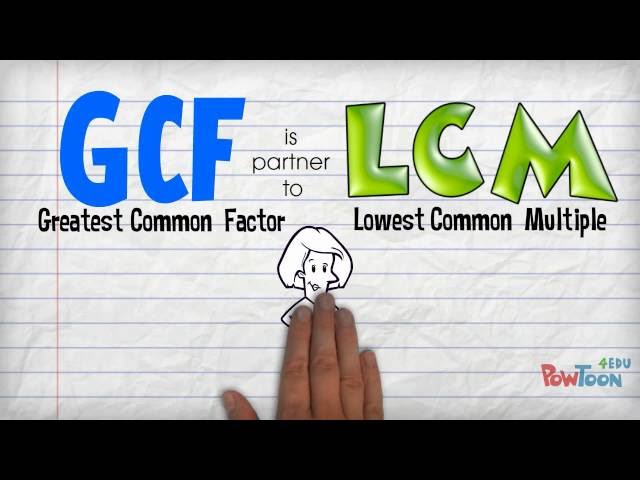
Math - Multi-digit computation
Learn to use prime factorization to help find the greatest common factor (GCF)
-

Science - From Molecules to Organisms
Eukaryotic Cells: Plants - How Do a Plant Cell's Unique Organelles Keep It Alive?
-
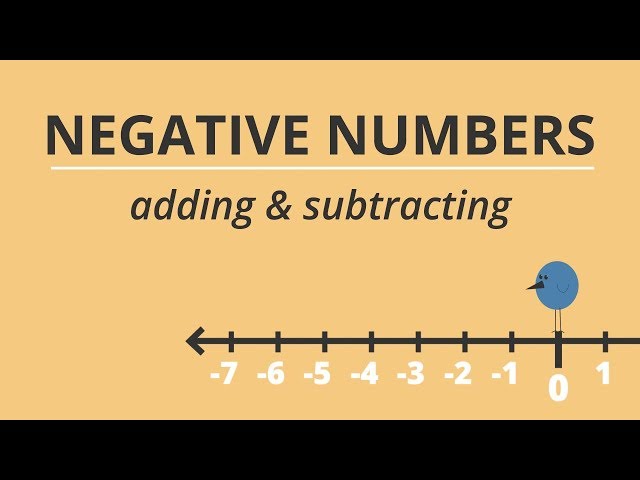
Math - Negative numbers
A Trick for Adding and Subtracting Negative Numbers
-

Math - Dividing fractions
Dividing Fractions in 3 Easy Steps
-

Math - Multi-digit computation
GCF: Greatest Common Factor
-

Math - Coordinate plane
Graphing in All Four Quadrants
-

Math - Negative numbers
Positive and Negative Numbers for Kids
-

Math - Coordinate plane
Coordinate Plane Song
-

Math - Dividing fractions
DIVISION OF FRACTIONS | GRADE 6
-

Science - Ecosystems: Interactions, Energy, and Dynamics
Energy Flow & Matter Cycling in Ecosystems
-

Math - Converting decimals to fractions
Converting Between Fractions, Decimals, and Percentages
-

Science - Earth's Place in the Universe
Structure of the Universe - How Gravity Forms Clusters
-

Math - Multi-digit computation
MULTIPLICATION OF DECIMALS
-

Math - Coordinate plane
Plotting Points on a Coordinate Plane | All 4 Quadrants
-

Math - Dividing fractions
Math Antics - Dividing Fractions
-

Math - Properties of operations
The Distributive Property
-

Math - Converting decimals to fractions
How to Convert Decimals to Fractions Easily
-

Science - Ecosystems: Interactions, Energy, and Dynamics
Food Webs and Energy Pyramids: Bedrocks of Biodiversity
-

Math - Negative numbers
The Number Line Explained: Negative Numbers
-

Math - Converting fractions to decimals
How to Convert a Fraction to a Decimal
-

Math - Dividing fractions
Dividing Fractions with KEEP, CHANGE, FLIP | Fractions Rap Song
-

Math - Converting fractions to decimals
Math Antics - Convert any Fraction to a Decimal
-
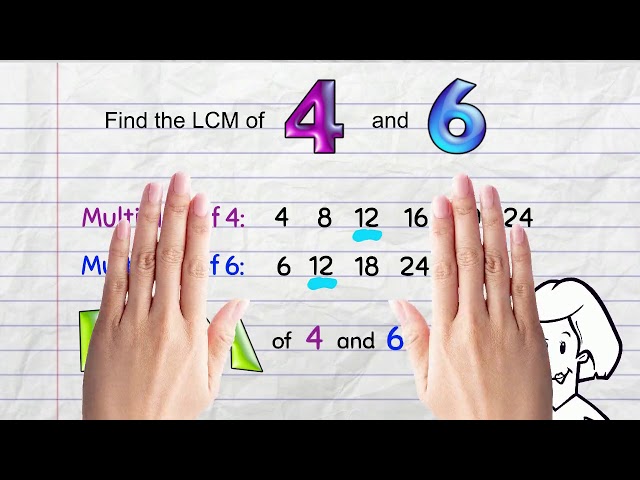
Math - Multi-digit computation
LCM for beginners
-
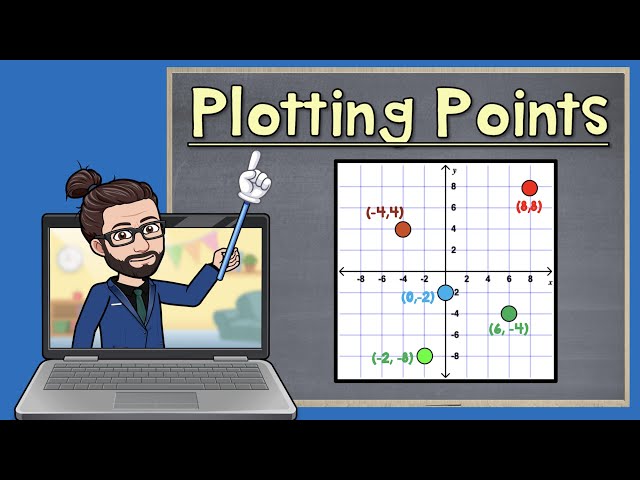
Math - Coordinate plane
How to Plot Points on All Quadrants
-
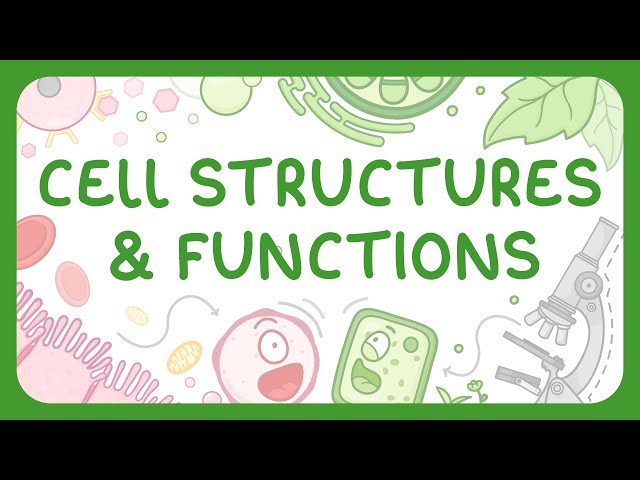
Science - From Molecules to Organisms
Cell Structures & Functions | Animal Cells vs Plant Cells (Middle School Science)
-

Science - Energy
PS3.2 Potential and Kinetic Energy Transformations
-

Math - Converting decimals to fractions
The Maths Prof: Changing Recurring Decimals into Fractions
-

Math - Dividing fractions
How to Divide Fractions – 6th Grade Math
-

Math - Coordinate plane
Algebra Basics: Graphing On The Coordinate Plane
-
Science - Ecosystems: Interactions, Energy, and Dynamics
Energy Flow & Matter Cycling in Ecosystems
-

Math - Negative numbers
Comparing and Ordering Integers
-

Math - Dividing fractions
Understanding Fractions as Division | Word Problems Included
-
Science - Ecosystems: Interactions, Energy, and Dynamics
Food Webs and Energy Pyramids: Bedrocks of Biodiversity
-

Math - Negative numbers
Negative Numbers
-
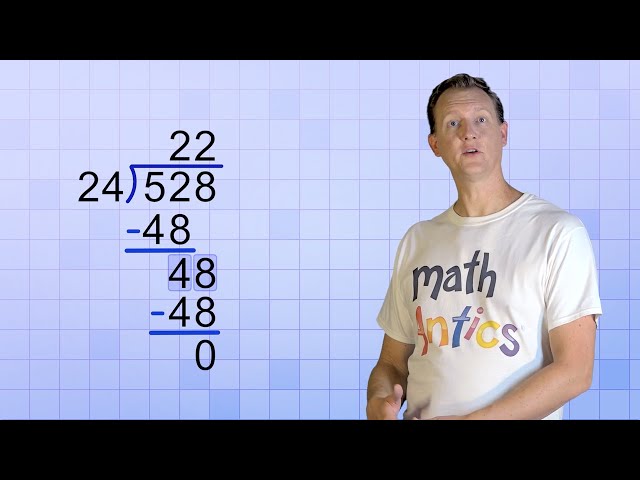
Math - Multi-digit computation
Long Division with 2-Digit Divisors
-

Math - Negative numbers
Negative Numbers: An Overview
-
Science - Ecosystems: Interactions, Energy, and Dynamics
Energy Flow in Ecosystems - Food Chains and Food Webs
-

Math - Coordinate plane
Plotting Coordinates on Four Quadrants Made Simple
-

Science - Earth's Place in the Universe
Gravity: Architect of Galaxies and Cosmic Collisions | Wonders of Universe | BBC Earth Science
-
Math - Multi-digit computation
Least Common Multiples vs. Greatest Common Factors (LCM vs. GCF)
-
Math - Negative numbers
Introduction to Integers
-

Math - Converting fractions to decimals
Converting Fractions to Decimals Song
-

Math - Negative numbers
Comparing Negative and Positive Numbers - Using Inequalities To Compare Values
-

Math - Coordinate plane
CS in Algebra: Coordinate Plane
-
Math - Converting decimals to fractions
Converting decimals to fractions example 1 | Decimals | Pre-Algebra | Khan Academy
-

Math - Dividing fractions
Dividing Fractions Word Problems | Fraction Word Problems
-

Math - Square and cube roots
Grade 8 | Maths | Cube and Cube Root | Free Tutorial | CBSE | ICSE | State Board
-

Math - Area of special quadrilaterals
Finding The Area Of A Trapezoid
-
Math - Geometry: area of special quadrilaterals, area of triangles, similarity
Surface Area of Prisms and Pyramids
-

Math - Square and cube roots
Find the Cube root 8 and 27 without a calculator
-

Science - Energy
Kinetic Energy Explained | Real-Life Examples and How to Calculate
-

Math - Area of special quadrilaterals
Area of a Rectangle
-

Math - Polygons in coordinate plane
Polygons in the Coordinate Plane
-

Math - Surface area, volume concepts
How to find the Surface Area and Volume of Prisms
-

Math - Area of special quadrilaterals
Areas of Parallelograms
-
Math - Irrational numbers
Understand & Identify Rational and Irrational Numbers
-

Math - Polygons in coordinate plane
How Do You Draw a Polygon Given Its Vertices in the Coordinate Plane?
-

Math - Geometry: area of special quadrilaterals, area of triangles, similarity
SURFACE AREA OF SOLID FIGURES
-

Math - Surface area, volume concepts
Surface Area of a Cylinder
-

Math - Polygons in coordinate plane
Polygons in the Coordinate Plane
-

Math - Area of special quadrilaterals
Proving the area of a trapezium
-

Math - Square and cube roots
Why is it called a SQUARE root?
-

Science - Motion and Stability: Forces and Interactions
Electric Charge and Electric Fields
-

Science - Earth's Place in the Universe
How Inertia and Gravity work TOGETHER
-

Math - Polygons in coordinate plane
Finding the Area of a Polygon on a Coordinate Plane
-

Math - Geometry: area of special quadrilaterals, area of triangles, similarity
Area of Triangle 1
-

Math - Surface area, volume concepts
Volume For Kids | Introduction to Volume | Measuring Volume using Unit Cubes |Applications of Volume
-

Math - Geometry: area of special quadrilaterals, area of triangles, similarity
Formula for Area of a Triangle - Why?
-

Math - Irrational numbers
Making sense of irrational numbers - Ganesh Pai
-

Math - Surface area, volume concepts
Surface Area Song for Kids | Cube and Rectangular Prism Geometry
-

Math - Irrational numbers
Irrational Numbers on a Number Line
-

Math - Area of special quadrilaterals
Area of a Trapezoid (Trapezium)
-

Math - Irrational numbers
Rational Vs. Irrational Numbers
-
Science - Energy
Kinetic energy | Energy | Middle school physics | Khan Academy
-

Math - Surface area, volume concepts
Volume
-

Math - Surface area, volume concepts
Volume of a Cone
-

Math - Surface area, volume concepts
How to Find the Surface Area of a Rectangular Prism
-

Math - Irrational numbers
Rational and irrational numbers Review
-

Math - Polygons in coordinate plane
Polygons
-

Science - Energy
Kinetic energy | Middle school physics | Khan Academy
-

Math - Irrational numbers
Rational, Irrational and Real Numbers
-
Science - Motion and Stability: Forces and Interactions
Electric Fields: Crash Course Physics #26
-

Science - From Molecules to Organisms
All About Animal Cells for Kids | Middle School Science | Twinkl USA
-
Science - Motion and Stability: Forces and Interactions
Electric Forces (Middle School Science)
-

Science - From Molecules to Organisms
PLANT VS ANIMAL CELLS
-
Math - Geometry: area of special quadrilaterals, area of triangles, similarity
Areas of Triangles
-

Math - Surface area, volume concepts
Volume of Prisms - Calculate 3D Space in Geometry
-

Math - Square and cube roots
Square Roots and Cube Roots
-

Math - Surface area, volume concepts
Surface area word problem: Cover a box with wrapping paper
-

Math - Area of special quadrilaterals
The Area of the Square
-

Math - Converting decimals to fractions
Converting Decimals, Improper Fractions, and Mixed Numbers
-

Math - Geometry: area of special quadrilaterals, area of triangles, similarity
How to Find the Area of a Triangle
-
Math - Converting decimals to fractions
Convert Decimals to Fractions | Eat Pi
-

Math - Area of special quadrilaterals
Area of a Parallelogram | Formula and Examples
-

Science - From Molecules to Organisms
Learn all about animal cells in 3 MINUTES | Easy science video
-
Math - Surface area, volume concepts
Surface Area and Volume of Pyramids
-

Math - Math - Transformations
Maths Made Easy! Transformations #1: Translation [O&U Learn]
-

Math - Data displays
How to spot a misleading graph
-
Math - Similarity
Mastering Indirect Measurement: A Math Lesson for Pre-Algebra Students with Similar Triangles
-

Math - Congruence
How to Identify CONGRUENT FIGURES
-
Math - Volume of 3D shapes
What is Volume in Math? Calculate Volume of Rectangular Prisms & Cubes w/ Units
-
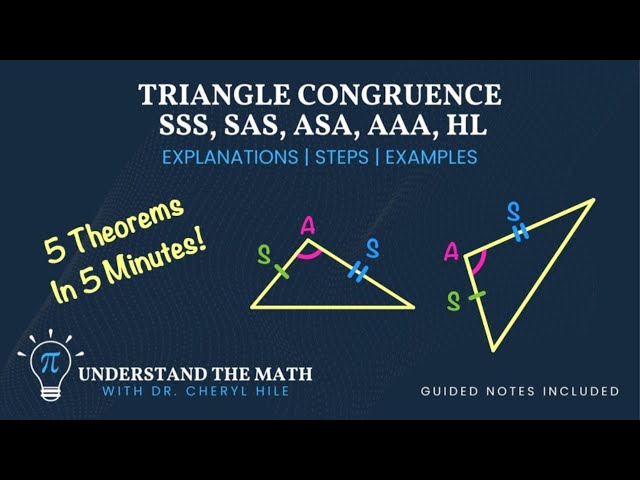
Math - Congruence
Master Triangle Congruence Theorems: SSS, SAS, ASA, AAS, HL Explained
-

Math - Similarity
Indirect Measurement Using Similar Triangles
-

Math - Angle relationships
Review of basic angle relationships
-
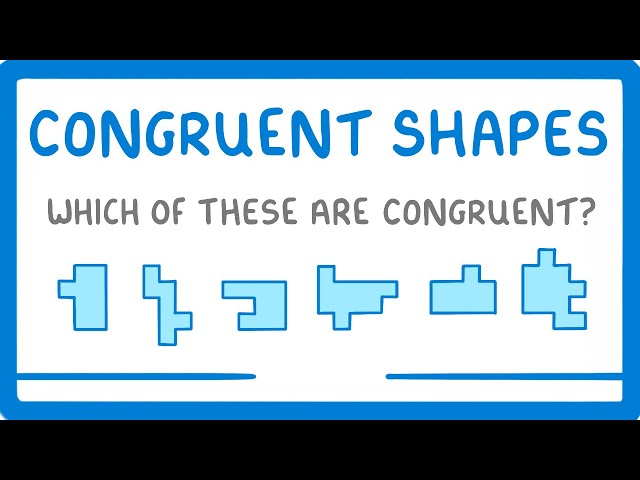
Math - Congruence
Congruent Shapes
-

Math - Angle relationships
Angle Pair Relationships: Adjacent, Vertical, Complementary, Supplementary
-

Math - Similarity
Testing similarity through transformations | Similarity | Geometry
-

Math - Math - Transformations
Introduction to transformations | Transformations | Geometry
-

Math - Similarity
Introducing similarity
-
Math - Circle measurements
How to Find the Area of a Circle | Math with Mr. J
-

Math - Angle relationships
Complementary and Supplementary Angles
-
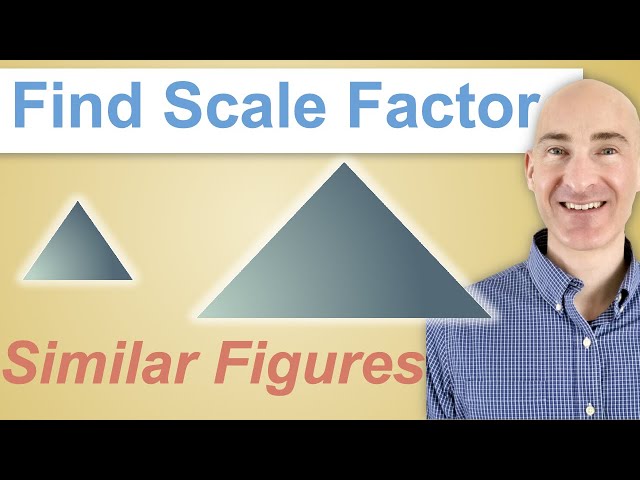
Math - Scale and similarity
How to Find Scale Factor with Similar Figures
-

Math - Volume of 3D shapes
Volume of 3D Shapes
-

Math - Congruence
Congruent Triangles! (SSS, SAS, AAS, and ASA Congruency)
-

Math - Volume of 3D shapes
The Eight 3D Shapes You Need to Know - Vertices, Edges and Faces
-

Math - Circle measurements
Unveiling The Remarkable Discovery Of Pi By A Genius - Prepare To Be Amazed!
-
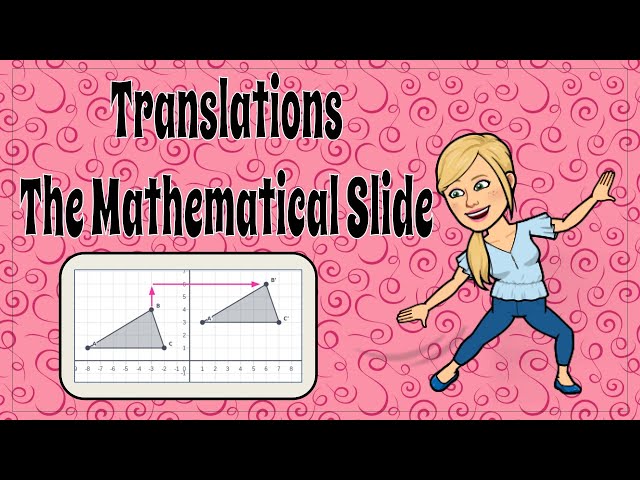
Math - Math - Transformations
How to Perform Translations: The Mathematical Slide
-

Math - Volume of 3D shapes
Geometry - Volume of 3D Shapes
-
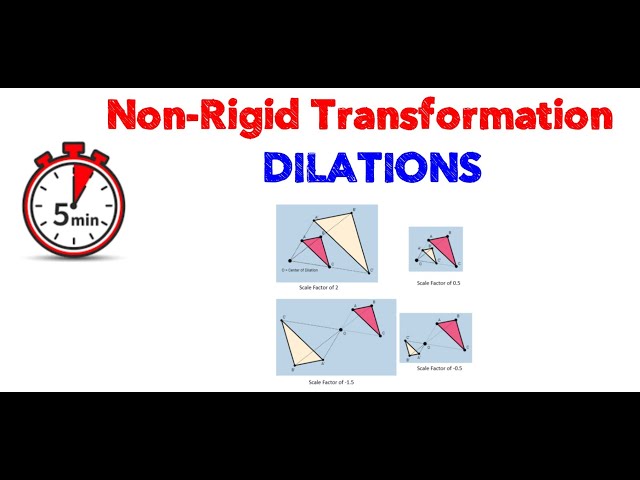
Math - Math - Transformations
Dilations - Non-Rigid Transformation
-

Math - Surface area, volume concepts
How to Find the Volume of a Cylinder
-

Math - Math - Transformations
Rigid Transformations
-

Math - Cross sections
Cross Sections
-
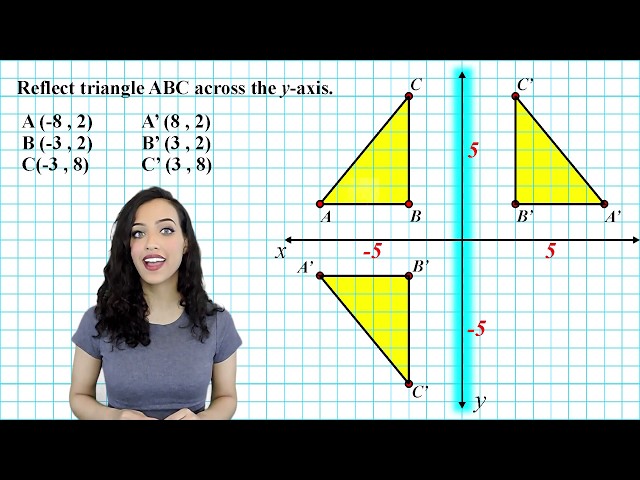
Math - Transformations
Reflection Across the X and Y Axis
-

Math - Similarity
Similar Shapes
-

Math - Angle relationships
Angle Basics
-

Math - Cross sections
Cross Sections of Solids
-

Math - Volume of 3D shapes
How to Calculate the Volume of 3D Objects
-

Math - Math - Transformations
The Four Transformations In Maths
-

Math - Scale and similarity
DIFFERENCE BETWEEN SIMILAR & CONGRUENT FIGURES?
-

Math - Data displays
Data Visualization in 2024
-

Math - Cross sections
Cross Sections
-

Math - Volume of 3D shapes
Three-Dimensional Shapes Part 2: Calculating Volume
-

Math - Math - Transformations
Transformations: Translations, Reflections, and Rotations
-
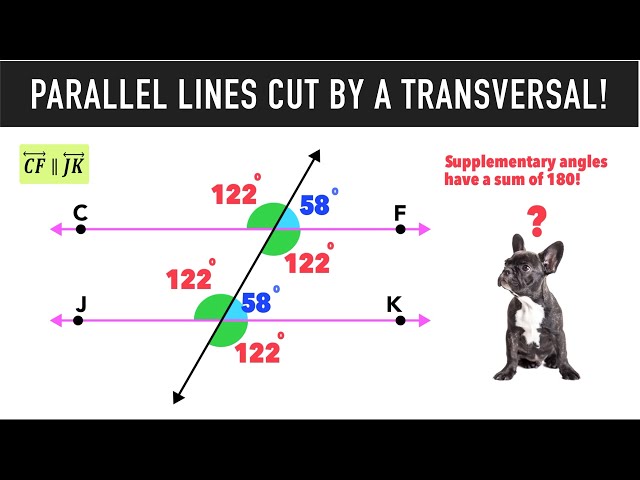
Math - Angle relationships
Parallel Lines Cut by a Transversal & Angle Relationships
-

Math - Surface area, volume concepts
Volume of Rectangular Prisms
-

Math - Circle measurements
How to Calculate the Length of the Circumference - Calculating Skills for Kids
-
Math - Data displays
How To Choose The Right Graph (Types of Graphs and When To Use Them)
-

Math - Angle relationships
PARALLEL LINES AND TRANSVERSALS | Find the Angle Measure
-

Math - Congruence
Triangle Congruence Theorems Explained: ASA, AAS, HL
-

Math - Similarity
Proving Similar Triangles
-

Math - Angle relationships
COMPLEMENTARY & SUPPLEMENTARY ANGLES
-

Math - Scale and similarity
Similar Triangles & Scale Drawings in Geometry
-

Math - Angle relationships
Determine how to use angle relationships to solve for the missing angle
-

Math - Congruence
What are Congruent Figures? | An Intro to Congruent Figures
-

Math - Circle measurements
How to Calculate the Circumference of a Circle
-

Math - Scale and similarity
Similar triangles | Similarity | Geometry
-

Math - Compound events
Probability of Compound Events
-

Math - Random sampling
Simple Random Sampling
-

Math - Population inferences
Making Predictions about Populations using random samples
-
Math - Population inferences
7th Grade STAAR Practice Inferences About Populations
-

Math - Probability concepts
Experimental Probability - Using Data to Predict Outcomes
-

Math - Random sampling
What Are The Types Of Sampling Techniques In Statistics - Random, Stratified, Cluster, Systematic
-

Math - Describing distributions
Shape of Distributions and How It Affects Center and Spread
-

Math - Random sampling
Comparing Random Samples
-

Math - Statistical questions
How to Identify a Statistical Question?
-
Math - Probability concepts
Experimental Probability
-
Math - Data displays
Interpreting Bar Graphs
-
Math - Statistical questions
Statistics - Introduction to Statistics
-

Math - Measures of variation
Interquartile Range (IQR)
-

Math - Data displays
Comparing Data Displays – Analyze Data With the Best Visual
-

Math - Random sampling
Methods 101: Random Sampling
-

Math - Data displays
Histograms and Frequency Tables Guided Notes Lesson
-

Math - Population inferences
Population vs Sample
-

Math - Statistical questions
What Is Statistics: Crash Course Statistics
-

Math - Population inferences
How to Make an Inference from Data
-

Math - Population inferences
7th Grade Math Inferences About Populations
-
Math - Data displays
Probability of Compound Events the EASY WAY!
-

Math - Compound events
Probability of Compound Events
-

Math - Statistical questions
Intro to Statistical Questions and Dot Plots
-

Math - Measures of variation
Measures of Variations
-

Math - Population inferences
What is inferential statistics? Explained in 6 simple Steps.
-

Math - Measures of center
Measures of Spread Guided Notes Lesson
-

Math - Measures of variation
MEASURES OF VARIATION | FINDING QUARTILES
-

Math - Statistical questions
Introduction to Statistics
-

Math - Measures of center
Statistics - Measures of Center
-

Math - Statistical questions
What is a Statistical Question?
-

Math - Random sampling
Stratified random sample | Sampling | Statistics
-

Math - Measures of variation
Understanding Normal Distribution and Standard Deviation
-

Math - Random sampling
Simple Random Sampling In 3 Mins: Easy Explanation for Data Scientists
-

Math - Describing distributions
The 6 MUST-KNOW Statistical Distributions MADE EASY
-

Math - Data displays
Stem and Leaf Plots Guided Notes Lesson
-

Math - Measures of center
Measures of Center & Variability Homework Review: Mastering Data Analysis!
-
Math - Probability concepts
Experimental Probability
-

Math - Population inferences
From Sample to Population: Statistical Inference Explained
-

Math - Measures of variation
Measures of Variation (range and interquartile range)
-

Math - Measures of center
Mean, Median, Mode, Range - Central Tendency Measurements
-

Math - Describing distributions
Describing Distributions: Center, Spread & Shape | Statistics Tutorial
-
Math - Measures of variation
Variance (Simply explained)
-

Math - Measures of center
Mean, Median and Mode
-

Math - Statistical questions
Statistical Questions - Types of Data and Questions Explained
-

Math - Measures of center
Mean, Median, Mode, and Range
-

Math - Describing distributions
The Shape of Data: Distributions: Crash Course Statistics
-

Math - Describing distributions
Frequency Tables and Dot Plots - How To Organize and Analyze Data
-
Math - Statistical questions
Statistical Questions
-

Math - Measures of variation
Measures of Spread: Crash Course Statistics
-

Math - Data displays
Interpreting Dot Plots
-

Science - Earth and Human Activity
Renewable and Nonrenewable Resources | Rap Video by SquidBooks
-
Science - Waves and Their Applications
Sound: Wavelength, Frequency and Amplitude
-

Science - Waves and Their Applications
Wave Motion | Waves | Physics | FuseSchool
-

ELA - Language
Simple, Compound, Complex - Sentence Types
-
Math - Probability concepts
What is Experimental Probability?
-

Science - Biological Evolution: Unity and Diversity
Evolution | Middle school biology | Khan Academy
-

ELA - Reading: Informational Text
How to Write an Objective Summary |Mr. Grammar
-

ELA - Reading: Literature
How to Write an Objective Summary of Informational Text
-
Science - Biological Evolution: Unity and Diversity
Natural Selection I Survival of the Fittest?
-

Science - Earth and Human Activity
Fossil Fuels 101
-
ELA - Reading: Informational Text
Creating objective summaries | Reading | Khan Academy
-
ELA - Reading: Literature
Figurative Language Practice - Simile, Metaphor, Personification, and Hyperbole
-

Science - Earth and Human Activity
Renewable, Non-Renewable, and Flow Resources
-

Math - Linear vs. nonlinear functions
Linear Functions
-

Science - Heredity: Inheritance and Variation of Traits
Variation | Genetics | Biology | FuseSchool
-

ELA - Reading: Informational Text
Arguments and Claims Mini Lesson
-

Science - Biological Evolution: Unity and Diversity
Evidence of evolution: anatomy | Evolution | Middle school biology | Khan Academy
-

Science - Energy
Kinetic Energy (Middle School Science)
-

Science - Waves and Their Applications
Sound Properties (Amplitude, Period, Frequency, Wavelength) | Physics | Khan Academy
-
Science - Earth's Systems
Weather: Air Masses & Fronts
-
ELA - Reading: Literature
Figurative Language
-

Science - Biological Evolution: Unity and Diversity
How Natural Selection Works
-

Science - Biological Evolution: Unity and Diversity
Fossils & Evidence For Evolution | Evolution | Biology | FuseSchool
-

ELA - Reading: Informational Text
Author's Purpose and Point of View Mini lesson for Nonfiction Text
-

Science - Biological Evolution: Unity and Diversity
The Fossil Record (MS-LS4-1, English)
-
Science - Biological Evolution: Unity and Diversity
Survival of the Fittest
-

Science - Biological Evolution: Unity and Diversity
All About Carnivorous Plants! - Adaptations & Evolution of Plants - MS-LS4-6
-
Science - Biological Evolution: Unity and Diversity
Myths and misconceptions about evolution - Alex Gendler
-

Science - Heredity: Inheritance and Variation of Traits
Myth 3 - All Mutations Are Harmful
-

ELA - Language
Sentence Structure Explained – Simple, Compound, & Complex Sentences!
-
Science - Biological Evolution: Unity and Diversity
Natural Selection / Adaptation / Survival of the Fittest
-
Science - Motion and Stability: Forces and Interactions
Intro to Balanced and Unbalanced Forces for Middle School or Older Students. NGSS: 3-PS2-2, MS-PS2-1
-
ELA - Reading: Informational Text
How to Write an Objective Summary of Informational Text
-

Science - Earth's Systems
Cold Warm Occluded Stationary-Types of Weather Fronts
-

Science - Earth's Systems
Regional climates | Weather and climate | Middle school Earth and space science | Khan Academy
-

Science - Biological Evolution: Unity and Diversity
How Plants Adapt and React to Their Environment | Science Lesson
-

Science - Heredity: Inheritance and Variation of Traits
The effects of mutations | Biomolecules | MCAT | Khan Academy - JxC2phkdY8Y
-
ELA - Reading: Informational Text
Literary Analysis - Claims, Evidence, Reasoning
-
ELA - Reading: Literature
Creating objective summaries | Reading | Khan Academy
-
Science - Earth's Systems
Weather Patterns | Factors Affecting Weather | Valleys & Mountains (Middle School Science)
-

Science - Energy
Kinetic Energy: Mass and Speed
-

Science - Heredity: Inheritance and Variation of Traits
Sexual reproduction and genetic variation | Middle school biology | Khan Academy
-

Science - Biological Evolution: Unity and Diversity
What is Natural Selection?
-

Science - Waves and Their Applications
Waves for Kids | Wavelength & Amplitude | Science Lesson for Grades 3-5 | Mini-Clip
-

Science - Motion and Stability: Forces and Interactions
Ep. 1 Newton's First Law - Science Talks With Alex Knox NGSS MS-PS2-2
-
ELA - Reading: Literature
Analyzing an Author’s Point of View and Purpose
-

Science - Biological Evolution: Unity and Diversity
What is natural selection? | Natural History Museum
-

ELA - Reading: Literature
Author's Perspective - How Perspective Shows up in Writing
-

Science - Biological Evolution: Unity and Diversity
Fossils: Rocking the Earth
-

ELA - Language
Simple and compound sentences | Syntax | Khan Academy
-

Science - From Molecules to Organisms
Plant Reproduction (Middle School Science)
-

ELA - Reading: Literature
Elements of Literary Fiction: Characters, Setting, Plot, Theme, and Point of View
-

ELA - Reading: Literature
STORIES for Kids 🐉 Characteristics and Elements 📚 Language Arts for Children
-
ELA - Reading: Literature
The EASY Way to Identify THEME!
-
Science - Earth's Systems
The Rock Cycle Song
-

ELA - Reading: Literature
Citing Evidence - Supporting Your Ideas in Writing
-

Science - Waves and Their Applications
Why are Digital Signals Better Than Analog Signals
-
ELA - Reading: Literature
Understanding theme | Reading | Khan Academy
-

ELA - Language
Adjectives and commas | Adjectives | Khan Academy
-

ELA - Reading: Literature
Developing themes | Reading | Khan Academy
-
ELA - Reading: Literature
#9 Citing Textual Evidence During Reading (Reading Comprehension)
-
Science - From Molecules to Organisms
Nature vs Nurture | Genetics | Biology | FuseSchool
-

Science - Heredity: Inheritance and Variation of Traits
How Organisms Reproduce | Sexual & Asexual Reproduction
-

Science - Waves and Their Applications
Waves as Digital Signals (Middle School Science)
-
ELA - Reading: Literature
Top 10 SOUND DEVICES in Poetry and How to Identify Them: A Quick Lesson
-

Science - From Molecules to Organisms
Pollinators | Plant & Pollinator Adaptation
-
ELA - Reading: Literature
Understanding theme | Reading | Khan Academy
-

Science - Waves and Their Applications
Difference between Analog and Digital Signals | AddOhms #6
-

Science - From Molecules to Organisms
Environmental and Genetic Growth Factors: What Controls How You Grow? | Middle School Science
-

Science - From Molecules to Organisms
A Level Biology Revision "Genetic and Environmental Causes of Variation"
-

Science - From Molecules to Organisms
How Your Senses Work? | The Five Senses | The Dr Binocs Show | Peekaboo Kidz
-
Science - Waves and Their Applications
YouTube Couldn't Exist Without Communications & Signal Processing: Crash Course Engineering #42
-

Science - From Molecules to Organisms
Where Are Memories Stored?
-

Science - From Molecules to Organisms
Sensory processing and the brain | Cells and organisms | Middle school biology | Khan Academy
-
Science - Motion and Stability: Forces and Interactions
Accelerating Mass: F=ma
-

Science - Motion and Stability: Forces and Interactions
Magnets and Magnetic Fields
-

Science - Waves and Their Applications
Need of Digital Signals
-

Science - From Molecules to Organisms
Animal Reproductive Behaviours (Middle School Science)
-

ELA - Reading: Literature
Rhyming Words | Monsters Learn English | Scratch Garden
-
ELA - Reading: Literature
The elements of a story | Reading | Khan Academy
-

Science - Heredity: Inheritance and Variation of Traits
Inheritance Explained || How do we inherit features from our parents?
-
ELA - Reading: Literature
GCSE English Language: Explicit and Implicit Meanings
-

Science - Heredity: Inheritance and Variation of Traits
Sexual and Asexual Reproduction Explained
-

Science - From Molecules to Organisms
Animal Courtship Behavior | Courtship Displays
-

Science - From Molecules to Organisms
Flowers and Their Pollinators: A Perfect Match! | Spring is Here! | SciShow Kids
-

Science - From Molecules to Organisms
Reproductive Success in Animals and Plants | Rap Video by SquidBooks
-

Science - Waves and Their Applications
Analog vs. digital signals | Waves | Middle school physics | Khan Academy
-
ELA - Reading: Literature
The pleasure of poetic pattern - David Silverstein
-

Science - Heredity: Inheritance and Variation of Traits
REPRODUCTION IN ANIMALS SEXUAL and ASEXUAL OVIPAROUS, VIVIPAROUS, OVOVIPAROUS
-
Science - From Molecules to Organisms
How memories form and how we lose them - Catharine Young
-

Science - From Molecules to Organisms
Organism growth and the environment | Middle school biology | Khan Academy
-
ELA - Writing
Argumentative Writing: Master Claim, Counterclaim, and Rebuttal for Essays and Debates
-

Science - From Molecules to Organisms
Factors that Affect Plant Growth (Middle School Science)
-

ELA - Language
Commas with Adjectives | Coordinate VS Cumulative Adjectives English Lesson
-
ELA - Reading: Literature
Supporting an inference with logical reasoning and evidence | Reading | Khan Academy
-
ELA - Reading: Literature
How to Determine the Central Idea of Informational Text
-

Science - Waves and Their Applications
Sound Advice: Analog vs. Digital
-

Science - From Molecules to Organisms
Bioforge MS-LS1-5 Growth Factors
-

ELA - Reading: Literature
Identifying Themes: Using Main Idea, Characters, and Problem-Solving
-
ELA - Writing
Discover How to Write a Counterclaim Paragraph & Defend with Rebuttal
-

Math - Scientific notation and Integer exponents
Scientific Notation
-

ELA - Reading: Literature
What is Hyperbole? | Educational Rap for Language Arts Students
-
Math - Cross sections
Slicing Three Dimensional Figures
-
ELA - Reading: Literature
Citing evidence in literary analysis | Reading | Khan Academy
-
Math - Surface area, volume concepts
Similar Triangles
-
ELA - Writing
Informational Writing for Kids - Episode 1: What Is It?
-

ELA - Reading: Informational Text
Explain how a sentence or section fits into the overall structure of the text.
-
Science - Motion and Stability: Forces and Interactions
MAGNETS: How Do They Work?
-
ELA - Reading: Literature
Metaphor, Simile, Personification, Hyperbole | Figurative Language Lesson
-

Math - Linear models
Writing Linear Equations From Graphs
-
Math - Linear vs. nonlinear functions
Linear vs Nonlinear Functions
-
ELA - Reading: Literature
Introduction to Reading Skills: How Characters Respond to Major Events
-

ELA - Reading: Informational Text
Comparing text structures | Reading | Khan Academy
-
ELA - Reading: Literature
Comparing text structures | Reading | Khan Academy
-

MATH - Square and cube roots
Math Antic - Simplifying Square Roots
-

Math - Coordinate plane
Introduction Coordinate Plane
-

Math - Unit rate
Find Unit Rate from a Graph
-
Math - Function representations
Functions Four Representations
-

Math - Properties of operations
Properties of Multiplication Song - Commutative, Associative, Distributive
-

ELA - Language
Reading Comprehension: Using Context Clues
-
Science - Motion and Stability: Forces and Interactions
Force and Net Force
-
Math - Geometry: area of special quadrilaterals, area of triangles, similarity
Area of a Triangle
-
Math - Inequalities
Math-Graphing Inequalities on a Number Line (the basics)
-
ELA - Writing
What Is Expository Writing? - Exploring Informational Texts
-
Math - Area of special quadrilaterals
Quadrilaterals
-

MATH - Probability concepts
Probability
-
Science - Earth's Place in the Universe
Why the solar system can exist
-
Math - Measures of center
Wrap Up - Measures of Center - Intro to Descriptive Statistics
-

Math - Converting measurements
Converting Within the Customary System
-
How to Take Great Notes
-
Math - Equivalent ratios
Equivalent Ratios
-
Math - Solving One Step Equations
One Step Equations song (Isolating the variable)
-

Math - Dividing fractions
Interpreting fractions as quotients
-

Math - Inequalities
Graphing Inequalities on Number Line
-

DEMYSTIFIED- Producers, consumers, and decomposers | Discovery Education
-
Science - Motion and Stability: Forces and Interactions
Newton's Second Law of Motion (F=ma) | GCSE Physics | Doodle Science
-
Math - Functional relationships
Algebra 1 Real World Examples of Functions
-

Math - Converting fractions to decimals
How to Convert Fractions to Decimals
-

Math - Linear models
4 Steps to Graphing Slope-Intercept Form
-
Math - Percent problems and complex percent problems
Math Antics - Percents Missing Total
-
Science - Biological Evolution: Unity and Diversity
LS4C - Adaptation
-
Math - Unit rate
Solving Unit Rate Problems
-
Science - From Molecules to Organisms
How does your memory work? | Head Squeeze
-

Math - Linear models
Data And Graphs
-
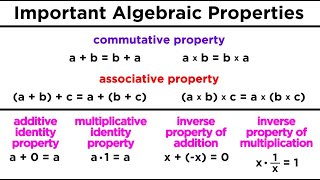
Math - Properties of operations
Basic Number Properties for Algebra
-
Math - Square and cube roots
Perfect Squares and Square Roots
-
Math - Slope as unit rate
Unit Rate Problems using Graphs
-

Math - Equivalent ratios
Equivalent Ratios Lesson
-
Math - Properties of operations
Properties of Operations
-
Math - Slope as unit rate
Finding the Rate of Change (Slope) of a Line Using Rise Over Run
-
Science - Earth's Place in the Universe
A Star is Born | How the Universe Works
-
Science - Earth's Place in the Universe
Is There Gravity in Space?
-
ELA - Reading: Literature
Similes and Metaphors by The Bazillions
-
Math - Random sampling
Bias & Random Sampling
-

Math - Two-way tables
Two Way Tables
-
Math - Generating equivalent expressions
Equivalent Expressions with the Distributive Property
-
Who Am I?
-

Math - Equivalent ratios
Equivalent Ratios and Equivalent Fractions Explained!
-
Math - Writing equations from word problems
Multi Step Equations - 7/8 - Techniques for Solving Equations
-
Math - Geometry: area of special quadrilaterals, area of triangles, similarity
Area of a Triangle
-

Math - Scientific notation and Integer exponents
Integer Exponents Explained
-

Math - Linear models
Basic Linear Functions
-

ELA - Language
Using context clues to determine the meaning of a word | Reading | Khan Academy
-
Math - Linear vs. nonlinear functions
How to Distinguish Between Linear & Nonlinear
-
ELA - Reading: Literature
Similes and Metaphors by The Bazillions
-

MATH - Probability concepts
PROBABILITY
-
Math - Surface area, volume concepts
Surface Area
-
Science - Earth's Systems
ESS2D - Weather and Climate
-
ELA - Language
Phrases v. Clauses
-
Math - Function representations
Multiple Representations of Functions
-

Science - Motion and Stability: Forces and Interactions
Net force | Movement and forces | Middle school physics | Khan Academy
-

ELA - writing
Expository Writing
-

Math - Ratio concepts
Ratios and Rates
-
Math - Converting fractions to decimals
How to Convert Fractions to Decimals
-
Math - Linear vs. nonlinear functions
Linear vs Nonlinear Functions
-
LS4C - Adaptation
-

Math - Coordinate plane
Quadrants and Plotting Points (Simplifying Math)
-
Science - From Molecules to Organisms
Cell parts and their functions | Cells and organisms | Middle school biology | Khan Academy
-
Math - Scientific notation and Integer exponents
Scientific Notation
-
Math - Unit rate
Rates and Unit Rates- Math
-

Math - Solving One Step Equations
Solving One Step Equations
-
ELA - Reading: Literature
Determining the central idea of a text
-
Math - Properties of operations
Properties of Operations
-
Math - Ratio concepts
Ratios And Rates
-

Resources and population growth | Interactions in ecosystems | Middle school biology | Khan Academy
-

Science - From Molecules to Organisms
What Are Cells? (The Cell Theory)
-

Math - Ratio concepts
Examples of Ratios and Rates - Topic Video
-

Math - Linear models
Linear Regression, Clearly Explained
-

Math - Two-way tables
Two Way Tables

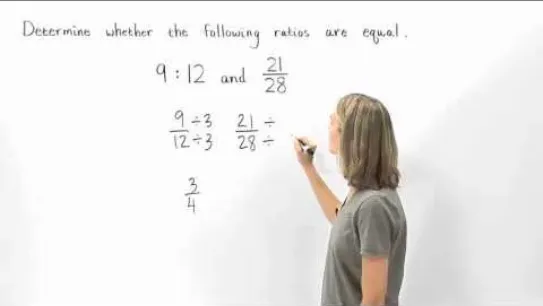
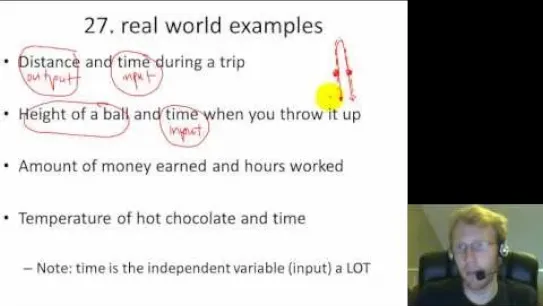

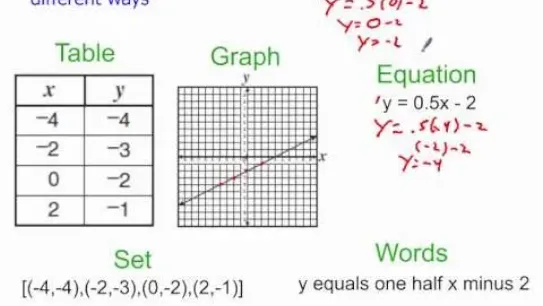
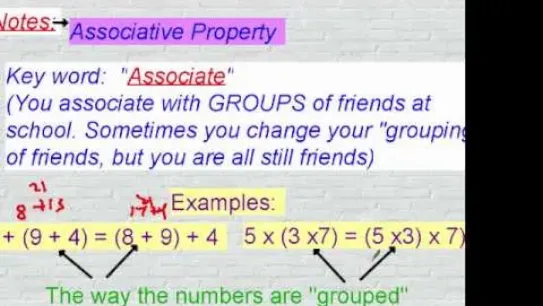

Découvrez nos créateurs
Monsieur Steve s'invite dans votre classe grâce à YouTube
L’éminent enseignant de français en immersion de Toronto Steve Massa, bien connu des élèves et des enseignants de partout au Canada sous le nom de Monsieur Steve, propose du contenu de classe interactif sur sa chaîne YouTube officielle Monsieur Steve. Conçues pour soutenir les apprenants des programmes d’immersion française et de français de base, ses leçons numériques allient une pédagogie dynamique, éprouvée en classe, à de l’humour, des marionnettes et des aventures du quotidien afin de rendre l’apprentissage du français stimulant, immersif et accessible pour les environnements éducatifs modernes.
“J’ai toujours cru que l’apprentissage d’une langue seconde ne devrait jamais être intimidant; ce devrait plutôt être une aventure remplie de rires, de curiosité et de joie”, a déclaré Steve Massa. "Le fait d’offrir ce matériel pédagogique sur YouTube s'inscrit dans la continuité naturelle de notre relation directe avec les éducateurs et les élèves. Cela permet d’inciter les apprenants à prendre des risques, à renforcer leur confiance en français et à percevoir la langue comme un pont vers la communauté et la culture."
Les premières listes de lecture balisées qui sont proposées dès aujourd’hui sur YouTube mettent l'accent sur les compétences linguistiques de base en français, la fluidité de la conversation et la découverte transdisciplinaire. Qu'il s'agisse de traditions culturelles canadiennes comme le Carnaval de Québec, d'explorations saisonnières aux quatre coins de l'Ontario, de leçons de grammaire interactives ou de pauses actives dynamiques en classe, ces ressources vidéo s'alignent sur les normes des curriculums canadiens afin de fournir aux éducateurs des outils clés en main qui sauront inspirer la prochaine génération d'apprenants bilingues.

Contenu pédagogique attrayant et de haute qualité
Explorez une sélection de vidéos favorisant l'apprentissage de la maternelle à la 12ᵉ année dans plusieurs matières. Découvrez les chaînes sur lesquelles les enseignants s'appuient chaque jour ainsi que le contenu pédagogique largement apprécié qui a été récemment ajouté à la plateforme YouTube.


-
Science
Amoeba Sisters
-
Science
Chem Teacher Phil
-
Science
Nancy Bullard (Mrs. B TV)
-
Science
The Penguin Prof
-
Science
Khan Academy
-
Science
Wayne Breslyn (Dr. B)
-
Science
Flipping Physics
-
Science
Teacher's Pet
-
Science
MAD GARDEN Science
-
Science
Miacademy & MiaPrep Learning Channel
-
Science
Cognito USA
-
Science
Cognito
-
Science
TED-Ed
-
Science
MooMooMath and Science
-
Science
National Geographic
-
Science
Science ABC
-
Science
MinuteEarth
-
Science
NASA Space Place
-
Science
Science Trek
-
Science
SquidBooks
-
Science
Bozeman Science
-
Science
Next Generation Science
-
Science
MightyOwl
-
Science
Smile and Learn - English
-
Science
The Digital Classroom Experience
-
Science
FuseSchool - Global Education
-
Science
Mometrix Academy
-
Science
Flocabulary
-
Science
Breaking Printers
-
Science
Bill Nye The Science Guy HD
-
Science
Bill Nye
-
Science
SciShow Kids
-
Science
SciShow
-
Science
CrashCourse
-
Science
Crash Course Kids
-
Science
PBS
-
Science
ClickView
-
Science
Mark Rober
-
Science
Science Max
-
Science
Homemade Science with Bruce Yeany
-
Science
Mystery Doug
-
Science
Be Smart
-
Science
Steve Mould
-
Science
Animal Wonders Montana
-
Science
Deep Look
-
Science
Kurzgesagt – In a Nutshell
-
Science
GEO GIRL
-
Science
Journey to the Microcosmos
-
Science
Chorus Educational K-12 Content
-
Science
McGraw Hill PreK-12
-
Science
TheBazillions
-
Science
Nat Geo Kids
-
Science
NBC News Learn
-
Science
TIME for Kids
-
Science
Encyclopaedia Britannica
-
Science
Professor Dave Explains
-
Science
Learn Bright
-
Science
Tyler DeWitt
-
Science
MinutePhysics
-
Science
The Science Classroom
-
Science
Primal Space
-
Science
Mustard
-
Science
Edutopia





























-
Math
Brian McLogan
-
Math
Math with Mr J
-
Math
Khan Academy
-
Math
Miacademy & MiaPrep Learning Channel
-
Math
Cognito
-
Math
TED-Ed
-
Math
MooMooMath and Science
-
Math
MightyOwl
-
Math
Smile and Learn - English
-
Math
The Digital Classroom Experience
-
Math
FuseSchool - Global Education
-
Math
Mometrix Academy
-
Math
Flocabulary
-
Math
Breaking Printers
-
Math
CrashCourse
-
Math
ClickView
-
Math
Mark Rober
-
Math
Be Smart
-
Math
Steve Mould
-
Math
Numberphile
-
Math
Chorus Educational K-12 Content
-
Math
McGraw Hill PreK-12
-
Math
TheBazillions
-
Math
Professor Dave Explains
-
Math
Learn Bright
-
Math
Money & Macro
-
Math
Edutopia



-
Humanities
PBS Origins
-
Humanities
Heimler's History
-
Humanities
Khan Academy
-
Humanities
History with Cy
-
Humanities
Mr. Beat
-
Humanities
Seńor Jordan
-
Humanities
William Spaniel
-
Humanities
Miacademy & MiaPrep Learning Channel
-
Humanities
TED-Ed
-
Humanities
National Geographic
-
Humanities
MightyOwl
-
Humanities
Smile and Learn - English
-
Humanities
The Digital Classroom Experience
-
Humanities
Mometrix Academy
-
Humanities
Mister Messinger
-
Humanities
Flocabulary
-
Humanities
Breaking Printers
-
Humanities
The ELA Connection
-
Humanities
Tolentino Teaching (Resources for English Teachers)
-
Humanities
History Skills
-
Humanities
HISTORY
-
Humanities
The British Museum
-
Humanities
Smithsonian Channel
-
Humanities
CrashCourse
-
Humanities
Crash Course Kids
-
Humanities
ClickView
-
Humanities
OverSimplified
-
Humanities
Mr. Sinn
-
Humanities
Al Jazeera English
-
Humanities
Federal Reserve Bank of St. Louis
-
Humanities
Pursuit of History
-
Humanities
Jacob Clifford
-
Humanities
Mystery Doug
-
Humanities
Be Smart
-
Humanities
Kurzgesagt – In a Nutshell
-
Humanities
John Spencer
-
Humanities
Teaching Intentionally
-
Humanities
Chorus Educational K-12 Content
-
Humanities
McGraw Hill PreK-12
-
Humanities
Kevin Spaans
-
Humanities
TheBazillions
-
Humanities
Bill of Rights Institute
-
Humanities
Untold History
-
Humanities
The Daily Bellringer
-
Humanities
National Constitution Center
-
Humanities
Nat Geo Kids
-
Humanities
NBC News Learn
-
Humanities
TIME
-
Humanities
TIME for Kids
-
Humanities
Colonial Williamsburg
-
Humanities
Encyclopaedia Britannica
-
Humanities
Merriam-Webster
-
Humanities
Cambridge Dictionary
-
Humanities
History Illustrated
-
Humanities
Sprouts
-
Humanities
Two Cents
-
Humanities
Professor Dave Explains
-
Humanities
Learn Bright
-
Humanities
CGP Grey
-
Humanities
Free School
-
Humanities
Mustard
-
Humanities
Money & Macro
-
Humanities
Edutopia
-
Humanities
PBS

























-
Life Skills
Crash Course
-
Life Skills
TED-Ed
-
Life Skills
John Spencer
-
Life Skills
Sprouts
-
Life Skills
Muse Wellbeing
-
Life Skills
AMAZE Org
-
Life Skills
RocketKids
-
Life Skills
Oasis Mental Health Applications
-
Life Skills
The School of Life
-
Life Skills
Common Sense Education
-
Life Skills
watchwellcast
-
Life Skills
Mental Health Center Kids


Ressources supplémentaires
Pour en savoir plus, consultez ces PDF téléchargeables
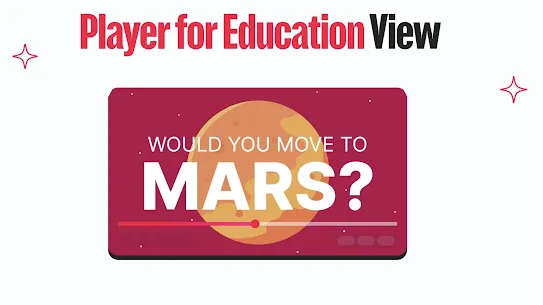
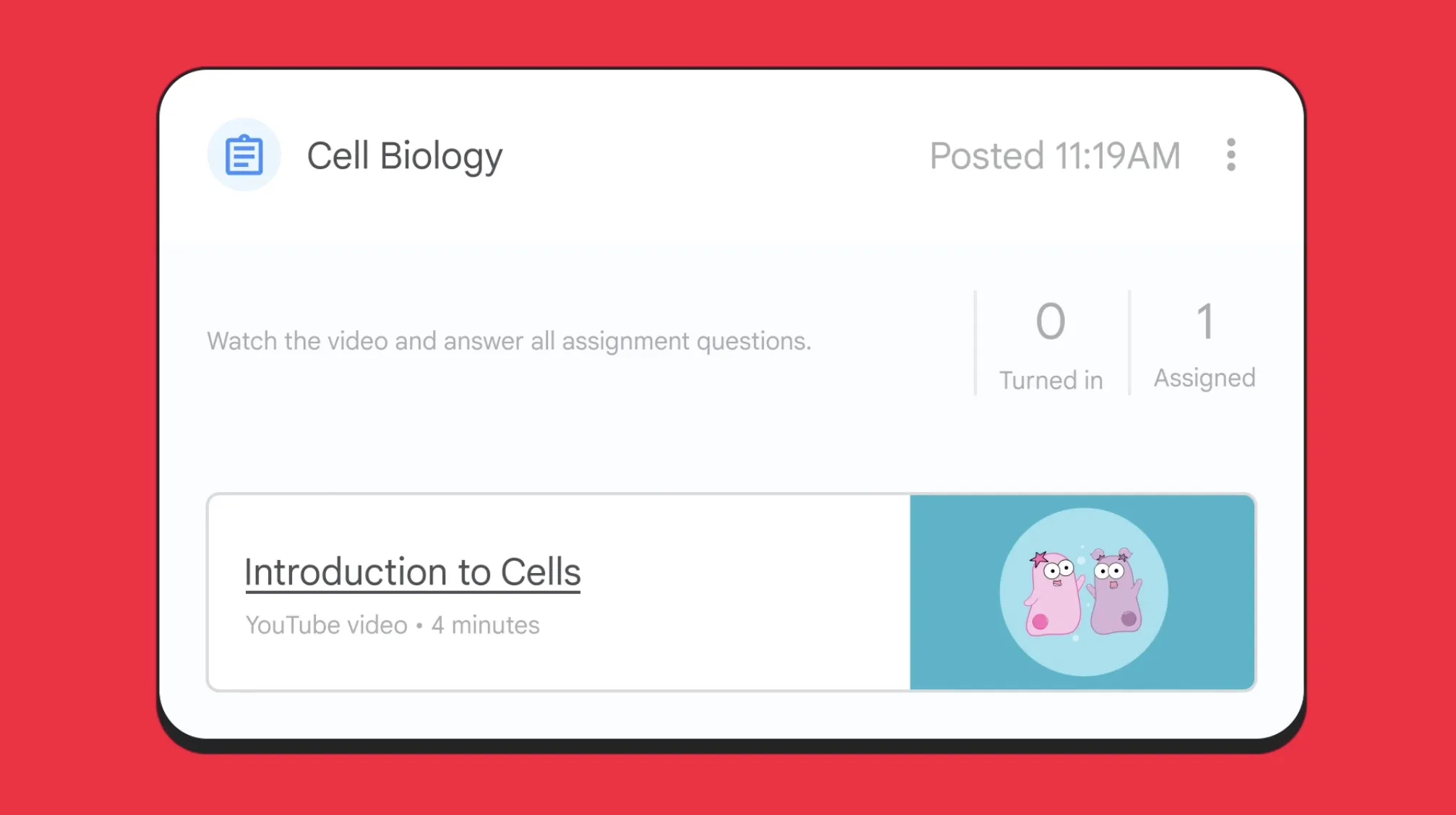
Vous avez des questions? Nous avons des réponses.
Player for Education de YouTube est la solution recommandée pour les enseignants qui souhaitent inclure des vidéos YouTube dans leurs plans de cours. Il s'agit d'un lecteur vidéo intégré qui offre une expérience de visionnement simplifiée et sans distraction. Même si la plateforme YouTube est désactivée pour les élèves, ou si le domaine youtube.com est bloqué sur le réseau de l'établissement scolaire, les enseignants peuvent intégrer des vidéos à lire avec le lecteur Player for Education de YouTube. Si la plateforme YouTube est désactivée ou bloquée pour les élèves, et que les enseignants intègrent exclusivement des vidéos à lire avec le lecteur Player for Education de YouTube, les élèves verront uniquement les vidéos YouTube qui ont été présélectionnées par leurs enseignants.
Consultez l'administrateur technique de votre établissement scolaire pour confirmer si le lecteur Player for Education de YouTube peut être intégré aux outils de technologie éducationnelle de votre établissement scolaire et si la plateforme YouTube est activée pour les enseignants.
Pour garantir une expérience de visionnement YouTube sans distraction, intégrez des vidéos YouTube à l'aide de Player for Education de YouTube, le lecteur intégré par défaut que l'on retrouve dans certains des outils de technologie éducationnelle les plus populaires.
Actuellement, le lecteur Player for Education de YouTube s'intègre à Google Workspace for Education, Canvas, Seesaw, Kahoot!, Edpuzzle, Wayground, Pear Deck, Newsela, Screencastify, HonorEd, Teachmint, GoGuardian et WeVideo.
Remarque : Cette liste peut évoluer au fil du temps. Consultez l'administrateur technique de votre établissement scolaire pour confirmer si le lecteur Player for Education de YouTube s'intègre aux outils de technologie éducationnelle de votre établissement scolaire.
Les élèves ne voient que la vidéo YouTube présélectionnée par leur enseignant. L'expérience de visionnement est simplifiée et sans distraction, ce qui permet aux élèves de se concentrer sur le contenu qui leur est attribué.
Nous avons créé une bibliothèque de contenu conforme aux normes pédagogiques pour les enseignants aux États-Unis. Cette fonctionnalité propose une collection croissante de centaines de vidéos pédagogiques de haute qualité, conformes aux normes pédagogiques des États et du pays (États-Unis). Vous pouvez utiliser les options de filtre fournies (matière, niveau, sujet) pour trouver les vidéos qui répondent à vos besoins.
Nous proposons également du contenu pédagogique attrayant et de haute qualité sur ce site Web, qui constitue une bibliothèque de chaînes et de vidéos sélectionnées favorisant l'apprentissage de la maternelle à la 12ᵉ année pour de nombreuses matières.
Vous pouvez aussi suivre ces pratiques exemplaires lors de la recherche de contenu :
- Recherchez sur YouTube des partenaires éducatifs connus, comme Amoeba Sisters, Khan Academy, CrashCourse, Math with Mr. J., Black Girls Code, TED-Ed, et Ken Burns.
- Recherchez les chaînes disposant d'un onglet "Cours". Les créateurs qui utilisent la fonctionnalité Cours de YouTube ont créé des listes de lecture structurées avec des objectifs d'apprentissage définis, des questionnaires, des barres de progression ainsi que des ressources associées téléchargeables, comme des plans de cours et des fiches de travail.
Lorsque les élèves naviguent sur youtube.com en étant connectés à leur compte Google Workspace for Education, ils peuvent rechercher du contenu dans la bibliothèque de YouTube et regarder des vidéos, mais des paramètres de sécurité par défaut sont appliqués à leur expérience de visionnement. Les expériences telles que l'ajout de commentaires, le clavardage en direct, les diffusions en direct, la publication de vidéos, les achats et l'accès aux applis autonomes (YouTube Music, Studio, TV et VR) sont toutes désactivées. De plus, les élèves ne peuvent visionner qu'un ensemble limité de vidéos sur la base des paramètres de contenu choisis par l'administrateur technique de leur établissement scolaire.
Si certaines vidéos YouTube sont bloquées lorsque vous naviguez sur youtube.com, cela signifie que l'administrateur technique de votre établissement scolaire a appliqué obligatoirement des restrictions liées au contenu sur le réseau de votre établissement scolaire ou sur les comptes Google Workspace for Education d'élèves de la maternelle à la 12ᵉ année, ou que vous essayez peut-être d'accéder à du contenu pour adultes.
Remarque : Les spectateurs de moins de 18 ans ne peuvent pas voir le contenu pour adultes sur YouTube ni y accéder.
Si vous souhaitez désactiver les restrictions liées au contenu sur youtube.com pour une vidéo en particulier et que votre établissement scolaire fournit des comptes Google Workspace for Education aux enseignants, vous devez d'abord vérifier si votre administrateur a autorisé les enseignants à lever les restrictions pour des vidéos individuelles. Si vous avez le droit d'approuver des vidéos, un message s'affichera au bas d'une vidéo bloquée indiquant "Vidéo non approuvée pour le domaine ytedu-learning". À côté de ce message, un bouton "Approuver" s'affichera. Une fois que vous aurez cliqué sur "Approuver", cette vidéo sera "ajoutée à la liste verte".
Remarque : Lorsque vous "ajoutez une vidéo à la liste verte", elle devient accessible à tous les élèves de la maternelle à la 12ᵉ année utilisateurs de Google Workspace for Education pour lesquels la plateforme YouTube est activée.
En matière de contenu d'IA générative, les spectateurs accordent de l'importance à la transparence. Pour informer les spectateurs, YouTube affichera des étiquettes sur le contenu généré ou modifié par IA. Le contenu visuellement photoréaliste et généré par IA ou le contenu modifié de manière significative par IA se verra appliquer une étiquette visible sur le lecteur vidéo ou en dessous, tandis que les autres contenus IA sont étiquetés tels quels dans la description. Cliquez ici pour en savoir plus sur la façon dont YouTube améliore les étiquettes d'IA pour les spectateurs et les créateurs.
En quoi diffère-t-elle des objectifs d'apprentissage indiqués dans Google Classroom ou d'autres outils de technologie éducationnelle qui présentent des fonctionnalités similaires? Même si ces deux types d'outils favorisent un apprentissage basé sur les normes pédagogiques, ils servent différentes phases de votre enseignement, à savoir les cours donnés et l'évaluation des élèves. La bibliothèque de vidéos YouTube conforme aux normes pédagogiques peut vous servir de ressource de référence pour la planification de vos cours et l'enseignement direct. Elle offre une sélection de vidéos de haute qualité correspondant aux objectifs d'apprentissage de base en sciences, en anglais, en mathématiques et en compétences de la vie courante qui peuvent vous aider à introduire ou à approfondir des concepts. Les objectifs d'apprentissage dans Google Classroom (et les fonctionnalités de balisage similaires dans d'autres outils) sont conçus pour l'évaluation, la notation et le suivi des progrès des élèves. Ils vous permettent d'établir une correspondance directe entre les normes pédagogiques officielles et les devoirs et grilles d'évaluation. En fin de compte, ces systèmes sont complémentaires : vous pouvez utiliser la bibliothèque YouTube pour trouver le contenu le plus pertinent pour fournir un enseignement visant un objectif précis, et utiliser les objectifs d'apprentissage de Google Classroom pour évaluer et suivre la maîtrise du sujet chez vos élèves.
YouTube for Education est un programme dédié et une marque qui centralise des ressources pédagogiques, des outils, une sélection de contenu, des partenariats et des initiatives de formation de YouTube à destination des enseignants et des administrateurs. Cela comprend des offres telles que le lecteur Player for Education de YouTube, un lecteur intégré qui permet aux établissements scolaires de diffuser du contenu YouTube dans des outils de technologie éducationnelle approuvés sans interruption publicitaire et avec des paramètres de confidentialité améliorés.
YouTube for Education représente YouTube (youtube.com), qui agit comme une plateforme distincte présentant des conditions d'utilisation différentes. Contrairement aux services de base de Google Workspace for Education (comme Google Classroom ou Google Documents), la plateforme YouTube est désignée comme un service supplémentaire plutôt que comme un service de base pour les comptes Workspace for Education. Cette distinction aide les chefs d'établissement et les enseignants à comprendre clairement comment la gouvernance de la confidentialité des données et les exigences de consentement parental s'appliquent lorsqu'ils utilisent des ressources YouTube en classe. Apprenez-en plus sur les catégories de services offertes aux utilisateurs de Google Workspace for Education.